

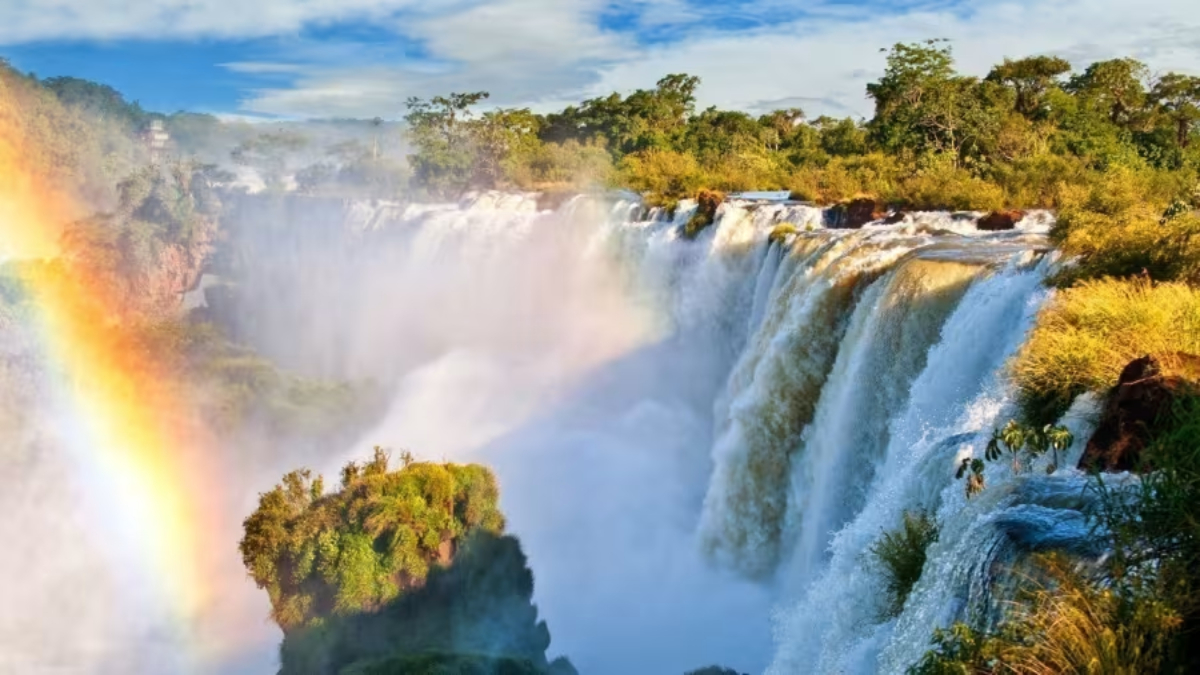
December 15, 2025: The chill of winter brings a unique transformation across India’s diverse landscapes. While the monsoon season showcases waterfalls in their roaring, powerful glory, the cooler months unveil a different kind of magic: crystalline ice formations, mist-shrouded plunges, and trails made accessible by clear skies. It is during this time that many of India’s cascades shed their furious flow for an ethereal, almost sculpted beauty.
From the snow-clad Himalayas to the misty valleys of the Northeast and the pleasant climes of the South, here are seven waterfalls across India that become truly enchanting during the winter season, offering breathtaking sights for the adventurous traveler.
1. Drung Waterfall, Kashmir: The Curtain of Ice
Near the famous ski resort of Gulmarg in Jammu and Kashmir, the Drung Waterfall offers arguably the most dramatic winter spectacle. As temperatures plummet, the water cascading down the rocky cliff freezes into a massive, shimmering curtain of ice.
This iconic sight draws tourists and photographers alike, creating a scene right out of a fairytale. The sheer ice wall, often partially covered in snow, contrasts beautifully with the stark winter landscape of the valley. For those seeking a pure, frozen wonderland experience, Drung is an unparalleled destination.
**
2. Nerak Frozen Waterfall, Ladakh: The Zanskar Jewel
Deep in the remote Zanskar Valley of Ladakh, the Nerak Waterfall is a famous highlight of the challenging Chadar Trek. While not accessible by conventional means, the trek itself involves walking on the frozen Zanskar River.
In peak winter (late December to February), the falls turn into a towering structure of blue and white ice, a colossal sculpture in the silent, rugged mountains. This frozen wonder is an ultimate destination for extreme adventure enthusiasts, where the destination is as rewarding as the epic journey.
3. Dudhsagar Falls, Goa-Karnataka Border: The Milky Sea
Often called the “Sea of Milk,” the Dudhsagar Waterfalls on the Mandovi River is one of India’s tallest, dropping over 1,000 feet in four tiers. While the monsoon flow is powerful, the winter season (November to May) is considered the best time to visit.
Why winter? The heavy monsoon mist clears, offering unobstructed, panoramic views of the milky-white cascade plunging through the lush green Bhagwan Mahavir Wildlife Sanctuary. Furthermore, the trekking trails and the popular jeep safari route through the sanctuary become safe and fully operational, allowing visitors to get closer to the base and witness the grandeur of the falls.
4. Nohkalikai Falls, Meghalaya: Clarity in the Wettest Place
Located near Cherrapunji, one of the wettest places on Earth, Nohkalikai Falls is the tallest plunge waterfall in India, dropping 1,115 feet into a blue-green pool. During the monsoon, the fall is a thunderous mass of water shrouded in impenetrable mist.
However, in winter (November to February), the skies are remarkably clear, the air is crisp, and the viewing platforms offer a stunning, complete view of the colossal drop and the deep, mysterious plunge pool below. The slightly reduced water volume only serves to highlight the sheer height and the dramatic surroundings of the gorge.
5. Athirappilly Waterfalls, Kerala: The Winter Oasis
Known as the “Niagara of India,” Athirappilly Falls in Kerala is the state’s largest waterfall, spreading wide across the Chalakudy River. While Kerala doesn’t experience extreme cold, winter (September to January) offers the most pleasant climate for visiting.
The oppressive humidity of other seasons subsides, providing comfortable trekking and viewing conditions. The lush Sholayar forests surrounding the falls—a habitat for the endangered Great Indian Hornbill—are at their most vibrant, making the journey a delightful experience of biodiversity coupled with the spectacular sight of the wide, silvery cascade.
6. Kanchenjunga Falls, Sikkim: The Glacial Stream
Situated near Pelling in Sikkim, the Kanchenjunga Falls is believed to be fed by the glaciers of the mighty Mount Kanchenjunga. Unlike seasonal falls, this multi-tiered cascade maintains a steady and majestic flow year-round.
Winter is the best time here for the superlative mountain views. The falls itself is impressive, but the surrounding Himalayan peaks, including Mount Kanchenjunga, are most visible and sharp against the clear, cobalt-blue winter sky. The cool, serene atmosphere makes it a perfect stop for photographers and those seeking peace in the high-altitude landscape.
7. Hogenakkal Falls, Tamil Nadu: The Smoking Rocks
Located on the Kaveri River in Tamil Nadu, Hogenakkal Falls is famous for its unique geological formations and its name, which translates to “Smoking Rocks,” derived from the misty spray created when the water crashes onto the carbonatite rocks below.
The winter months (October to March) are ideal as the river’s flow is stable, allowing for the popular, traditional coracle boat rides in the calmer sections of the river. This unique perspective from the water, combined with the pleasant weather, allows visitors to fully appreciate the raw power and beauty of the multi-channel cascades.
Why Winter is the Magic Season
While monsoon brings raw power to waterfalls, winter gifts them clarity, comfort, and sculpted beauty. Whether it’s the solid ice formation of the North or the clear, misty views in the South, the colder months offer a completely different, and arguably more ‘magical,’ perspective on India’s most stunning natural water features. They are a must-visit for any traveler looking to see the country’s wonders in their most tranquil and photogenic state.