

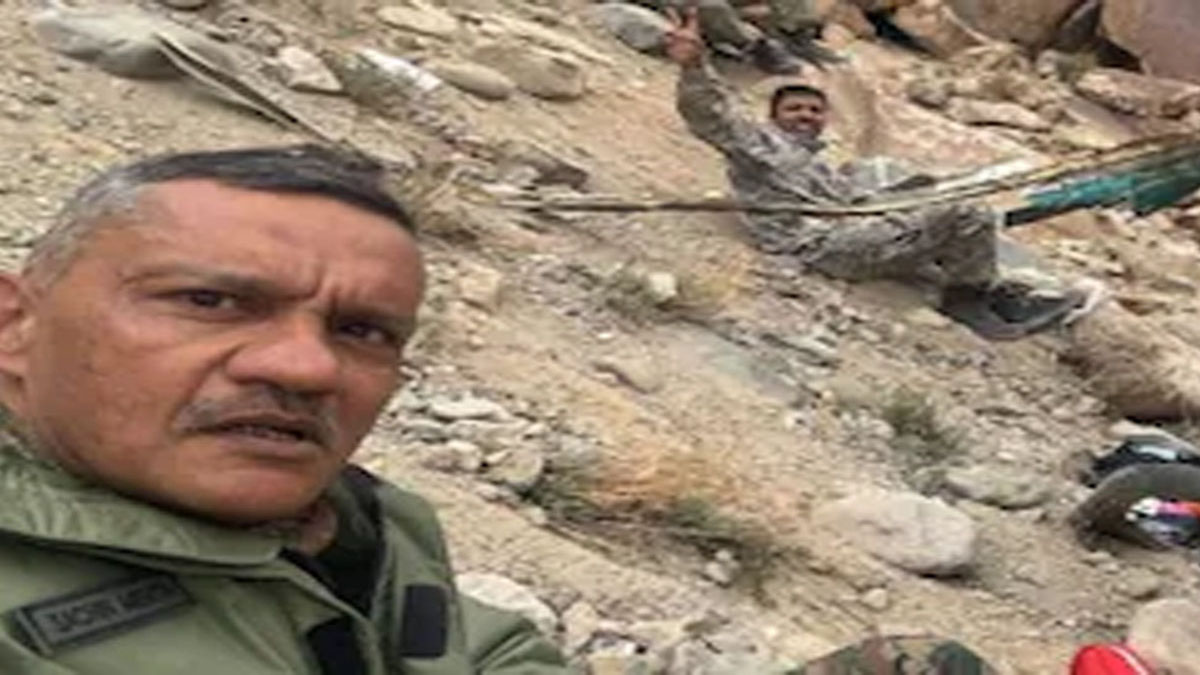
New Delhi, May 23, 2026: In a miraculous escape, three Indian Army officers—including a senior commander—survived after an Army Cheetah light utility helicopter crashed in the rugged, high-altitude terrain of Ladakh. The military has officially institutionalized a formal probe to investigate the incident.
The Indian Army has ordered a formal Court of Inquiry (CoI) to pinpoint whether the crash was caused by technical failure, mechanical issues, or environmental factors.
The accident brings renewed scrutiny to India’s ageing fleet of Aerospatiale-designed, HAL-licensed Cheetah and Chetak single-engine helicopters. Over the last decade, more than 15 of these vintage choppers have crashed, leading to multiple pilot fatalities.
Phase-Out Roadmap
-
Timeline: The Indian Army plans to begin phasing out the ageing fleet within 1 to 2 years, aiming for complete replacement over the next 8 to 10 years.
-
The Replacement: The legacy choppers will be replaced by locally produced Hindustan Aeronautics Limited (HAL) Light Utility Helicopters (LUH) alongside leased stopgap choppers.
-
Total Fleet Requirement: The Army requires approximately 250 new light helicopters. The new 3-ton class LUH features modern digital glass cockpits and is powered by Shakti-1U turboshaft engines specifically tailored for super-rarefied conditions like the Siachen glacier.
Direct Flashback: Army Warns Against Misinformation
Coinciding with the crash reports, the Indian Army issued a stern warning regarding an unrelated, viral “press conference” video circulating on social media aimed at maligning the force’s image. The Army clarified on X (formerly Twitter) that the individuals featured in that clip were dismissed personnel and a deserter spreading malicious propaganda, urging citizens to stay vigilant against fabricated narratives.