

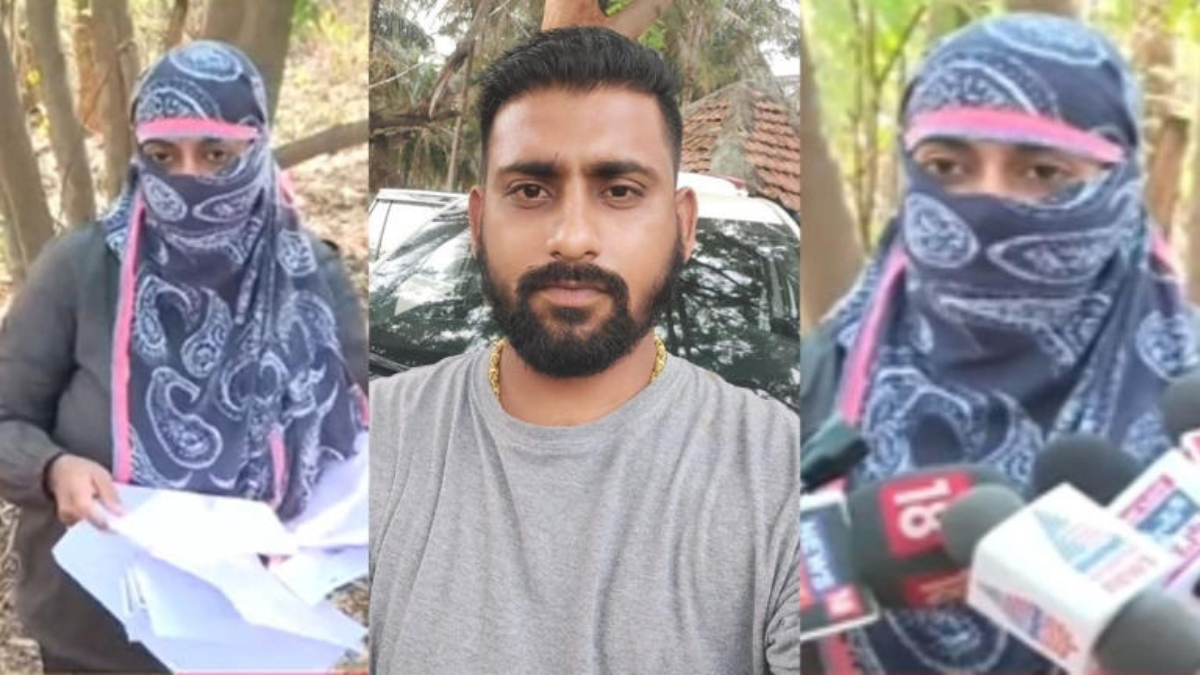
New Delhi, january 19, 2026: In a shocking case of matrimonial fraud that has sent ripples through the city’s tech corridor, a software engineer has reportedly been defrauded of ₹1.5 crore. The elaborate scam involved a man who introduced his own wife as his “sister” to facilitate a fraudulent marriage, eventually siphoning off life savings under various pretexts.
The Web of Deceit
The victim, a high-earning professional in the first encountered the accused through a popular matrimonial portal. According to the police complaint, the primary suspect approached the victim claiming to be looking for a suitable match for his younger sister.
To build a sense of legitimacy and trust, the man orchestrated multiple meetings where he introduced a woman as his sibling. In reality, investigators have discovered that the two suspects were a married couple who had allegedly conspired to target wealthy bachelors.
Modus Operandi: Emotional and Financial Exploitation
The scam unfolded over several months, transitioning from a digital connection to a formal wedding ceremony. The victim, believing he had found a legitimate life partner, proceeded with the marriage. However, shortly after the nuptials, the “brother-in-law” and the bride began a systematic campaign of financial extortion.
The suspects reportedly cited various “emergencies” to extract funds, including:
- Medical Crises: Claims of urgent surgeries and hospital bills for elderly relatives.
- Business Losses: Requests for short-term loans to settle supposed debts.
- Property Disputes: Legal fees required to clear ancestral land.
By the time the victim grew suspicious, he had already transferred approximately ₹1.5 crore through bank transfers and UPI payments.
How the Truth Surfaced
The house of cards collapsed when the victim noticed inconsistencies in the woman’s personal documents and her frequent, secretive communication with the man she claimed was her brother. After conducting a private background check, the techie was horrified to discover that the duo were legally married to each other and had used forged identification papers to register the new marriage.
Upon being confronted, the suspects allegedly threatened the victim, prompting him to approach the jurisdictional police station to file an official First Information Report (FIR).
Growing Concerns Over Matrimonial Fraud
Cybercrime experts and local authorities have noted a sharp rise in “long-con” matrimonial scams targeting the IT community.
“These fraudsters are no longer just looking for a quick payout,” says a senior investigating officer. “They are willing to invest months in building a fake life, even going as far as performing marriage rituals to gain access to the victim’s long-term assets.”
Safety Tips for Digital Matchmaking
To avoid falling prey to similar syndicates, experts recommend the following precautions:
- Verify Identity: Use third-party services to verify professional and educational backgrounds.
- Cross-Reference Social Media: Look for long-term digital footprints that include family tags and historical photos.
- Financial Red Flags: Be wary of any requests for money, especially for “emergencies,” before or shortly after marriage.
- Family Interaction: Meet the extended family in their permanent residence rather than neutral locations like hotels or rented apartments.
The police have launched a manhunt for the couple, who are currently absconding. A case has been registered under sections pertaining to cheating, forgery, and criminal conspiracy.