

New Delhi, january 24, 2026: In an era where “travel content” often prioritizes aesthetic filters and curated landmarks, one South Korean family living in India has captured hearts by diving into the gritty, splashing reality of Mumbai’s most iconic open-air laundry.
Jung Ae, a South Korean expat and popular Instagram creator known as @wonny_brothers, recently shared a video of her young son experiencing a “real-life lesson” at Mahalaxmi Dhobi Ghat. The post, captioned “Real work. Real respect,” has since gone viral, garnering over 240,000 views and sparking a widespread conversation about the “dignity of labor.”
A Lesson in the “Washerman’s Throw”
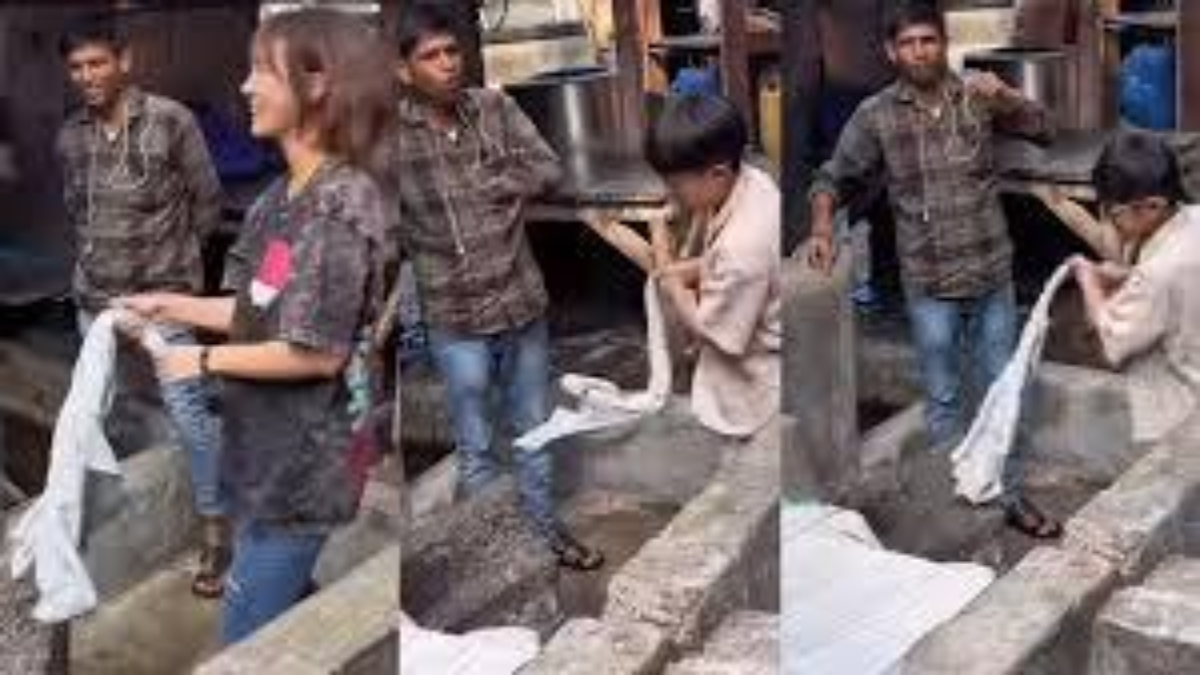
The video captures a departure from the typical tourist experience. Instead of just photographing the sprawling rows of drying linens from the famous bridge above, Jung Ae took her children into the heart of the vats.
Under the patient guidance of a local dhobi (washerman), her son attempted the grueling “washerman’s throw”—a centuries-old technique where heavy, water-soaked clothes are slammed against stone slabs to beat out the dirt. The physical toll was immediate; the sheer weight of the wet fabric and the precision required to clean it without damage left a visible impression on the young boy.
Not content with just watching, Jung Ae joined in herself. The footage shows her laughing alongside local workers as she struggles with the manual labor, a moment of cross-cultural connection that many viewers found deeply moving.
Why It’s Resonating Globally
The internet’s reaction has been overwhelmingly positive, with many praising the mother for teaching empathy over entertainment.
- Valuing Effort: Commenters noted that children often take clean clothes or home deliveries for granted. Seeing the “unseen effort” helps bridge that gap.
- Cultural Immersion: Rather than treating Mumbai as a backdrop for a “vacation reel,” the family actively participated in the city’s relentless work ethic.
- A “Real” Education: One user commented, “This is the kind of schooling you can’t get in a classroom. It’s respect in its purest form.”
The Symbolism of Dhobi Ghat
Dhobi Ghat is more than just a laundry; it is a 140-year-old testament to Mumbai’s history. Despite the rise of modern washing machines and industrial laundries, thousands of families still rely on this manual system to service the city’s hotels and hospitals.
By bringing her children here, Jung Ae highlighted the relentless spirit of Mumbai. The lesson wasn’t just about how to wash a shirt; it was about acknowledging the human beings who power the world’s conveniences.
As the “Wonny Brothers” continue to explore Indian culture—from spicy pani puri to traditional dances—this visit to the Ghat stands out as their most profound moment yet. It serves as a reminder that the best way to understand a new culture isn’t just to see it, but to work alongside it.