

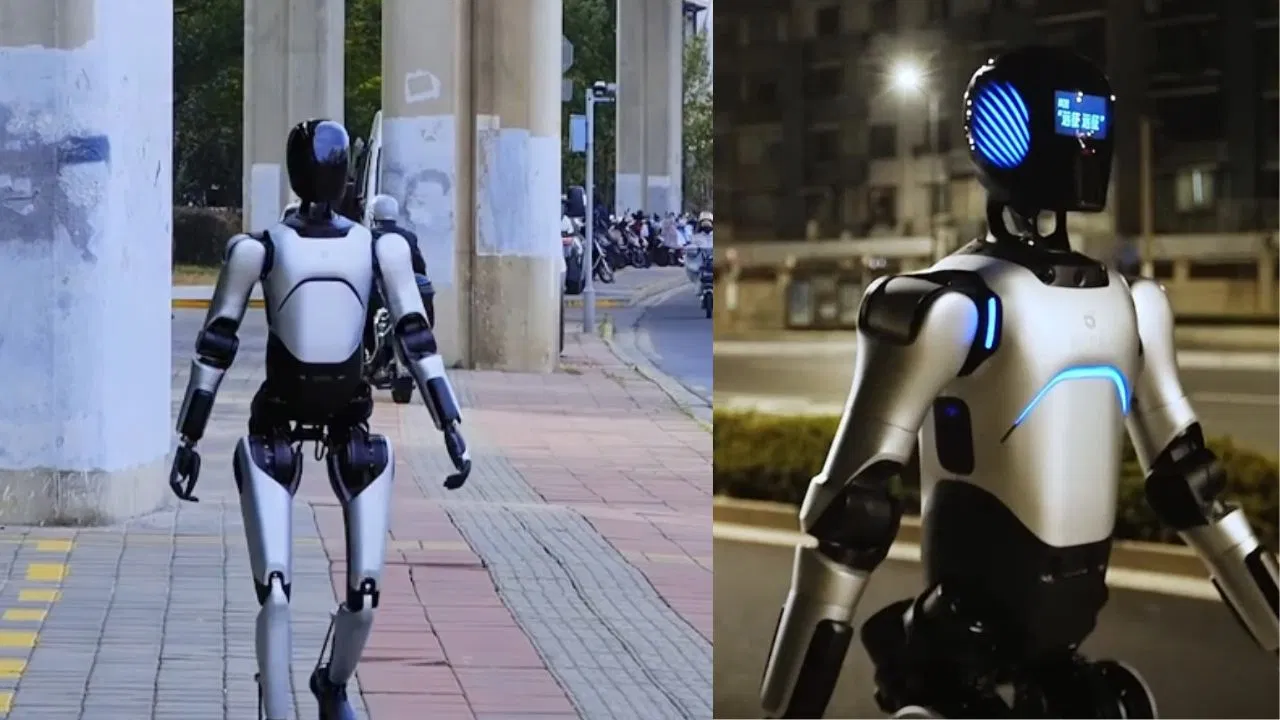
New Delhi, January 23, 2026: A significant milestone in the field of robotics has been celebrated globally following the emergence of a viral video featuring a bipedal robot. In the footage, which gained massive traction in January 2026, the advanced machine is observed shattering a Guinness World Record for the fastest walking speed achieved by a humanoid robot. It is noted that the demonstration took place under strict supervision, with the robot navigating a designated track with startling fluidity and precision. This achievement is being hailed as a definitive moment in the transition of robots from static industrial tools to mobile, human-like entities capable of navigating the real world.
The Mechanics of Record-Breaking Speed
The technical prowess behind the robot’s movement is being scrutinized by engineering experts and enthusiasts alike. It is observed in the viral clip that the robot maintains a consistent, high-speed gait that mimics human walking patterns while exceeding previous records by a significant margin. Advanced AI algorithms and high-torque motors are reportedly utilized to manage balance and propulsion in real-time. It is stated by the developers that the record was not just about speed, but also about the stability and endurance of the bipedal system under stress. The sight of the robot “striding” confidently has left millions of social media users in awe of how far technology has progressed.
Also Read: Viral Remark Calling India ‘Irrelevant’ Triggered a Global Response
Social Media Fascination and Future Speculations
A massive conversation regarding the future of humanoid integration has been ignited by this interaction. It is noted that the video has accumulated tens of millions of views on platforms like X and Instagram, where it is being shared as a glimpse into a “sci-fi future.” While some viewers express excitement about the potential for robot assistants and delivery units, others have voiced concerns regarding the rapid pace of automation. The phrase “the future is here” has become a trending sentiment as netizens debate whether these fast-walking robots will soon be seen on public sidewalks.
Recognition by Guinness World Records
The achievement was officially ratified after a series of rigorous trials designed to test the limits of bipedal locomotion. It is reported that the official Guinness World Record certificate was presented to the engineering team following the successful completion of the sprint. The record-breaking run is being viewed as a testament to years of research in sensor fusion and structural design. It is frequently mentioned that such records serve to push the boundaries of what is possible, encouraging competition and innovation within the global robotics industry.
Paving the Way for Humanoid Assistance
As the footage continues to trend in late January 2026, the impact of this record is expected to be felt across multiple sectors, from logistics to disaster relief. It is believed that the ability of a robot to walk at high speeds while maintaining balance will be crucial for tasks in environments designed for humans. The legacy of this viral moment is the realization that humanoid robots are no longer just laboratory experiments but are becoming highly capable machines. Until the next record is broken, this walking marvel remains a primary highlight of the current technological landscape, proving that the gap between biological and mechanical motion is closing fast.