

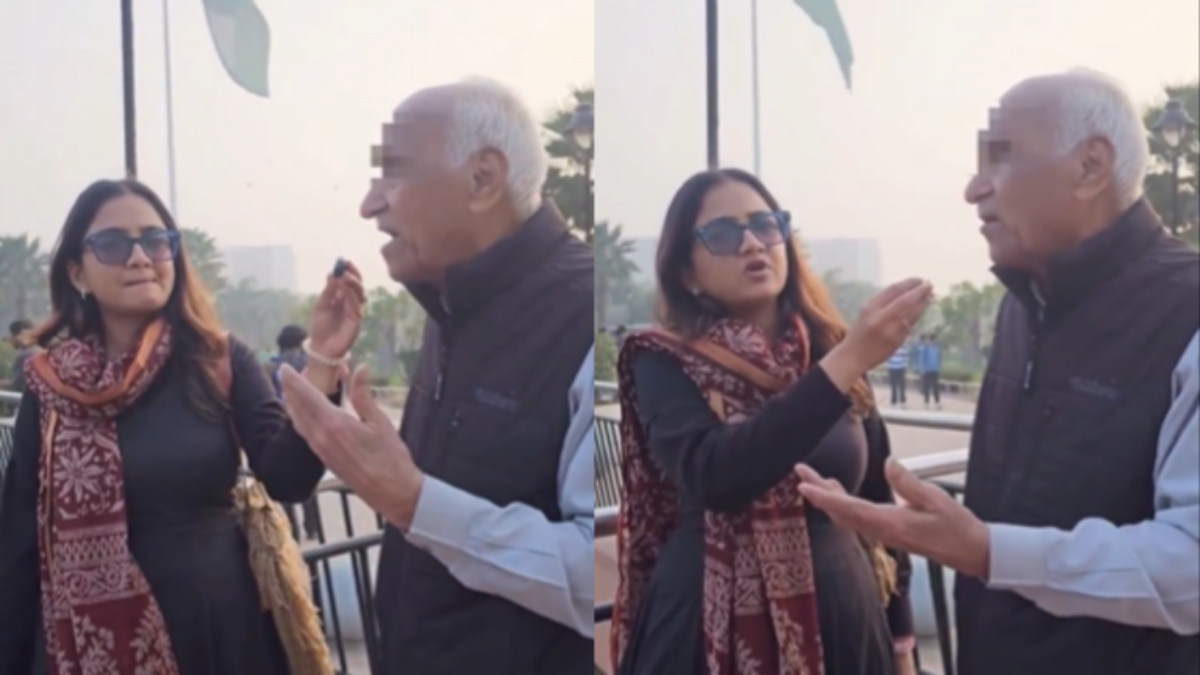
New Delhi, February 6, 2026: In a social media landscape often divided by generational gaps, a viral video featuring a Delhi man’s views on “marital duties” has sparked a massive debate across India. The video, which surfaced in early February 2026, features a Delhi University graduate whose traditionalist views on a daughter-in-law’s responsibilities have left the internet “fuming.”
The Viral Spark: “Husband’s Parents Come First”
The controversy began when a popular social media creator, known for interviewing locals on the streets of Delhi, asked a simple question: “What makes a good daughter-in-law?”
The respondent, an elderly man, provided an answer that many found regressive. He stated that a “good bahu” (daughter-in-law) has a primary duty to care for her husband’s parents above her own. He lamented that modern women often focus too much on their biological parents and “fail to mix” with their new families.
“She should treat her husband’s parents as her own. Nowadays, women remain too connected to their own sisters and mothers, and they don’t blend into the new home,” he said in the video.
The clip quickly racked up millions of views, with thousands of users calling his perspective “misogynistic” and “outdated.”
The Internet Strikes Back
The backlash was swift and fierce. Critics on platforms like X (formerly Twitter) and Instagram pointed out the double standard inherent in such expectations.
- The “Double Burden” Argument: Many users argued that while daughters-in-law are expected to abandon their previous lives to serve a new family, husbands are rarely held to the same standard regarding their wives’ parents.
- Education vs. Mindset: A common refrain in the comments was that being “educated on paper” does not equate to being “progressive in life.”
- Autonomy: Younger generations emphasized that marriage should be a partnership of equals, not a transfer of domestic labor or a “service contract.”
The Legal and Social Context
While the video reflects a personal opinion, it touches on a sensitive legal nerve in India.
- Recent Rulings: In late 2025, the Delhi High Court observed in a divorce case that “deliberate indifference” toward elderly in-laws could be considered “mental cruelty.” However, the court also clarified that this does not mean a woman must be treated as a servant.
- Supreme Court Clarity: In contrast, various Supreme Court insights have reinforced that while there is a moral expectation to care for elders, a wife cannot be legally forced into “service” against her will, and her right to a dignified life remains paramount.
Why This Matters Today
This incident highlights the friction between India’s rapidly modernizing youth and the deeply entrenched patriarchal structures of the past. As more women enter the workforce and seek financial independence, the “traditional” model of the joint family—where the daughter-in-law is the primary caregiver—is being challenged.
The “Delhi Uncle” video serves as a reminder that even in the heart of India’s capital, the battle for gender equality is fought not just in courts, but in the everyday conversations on our streets.