

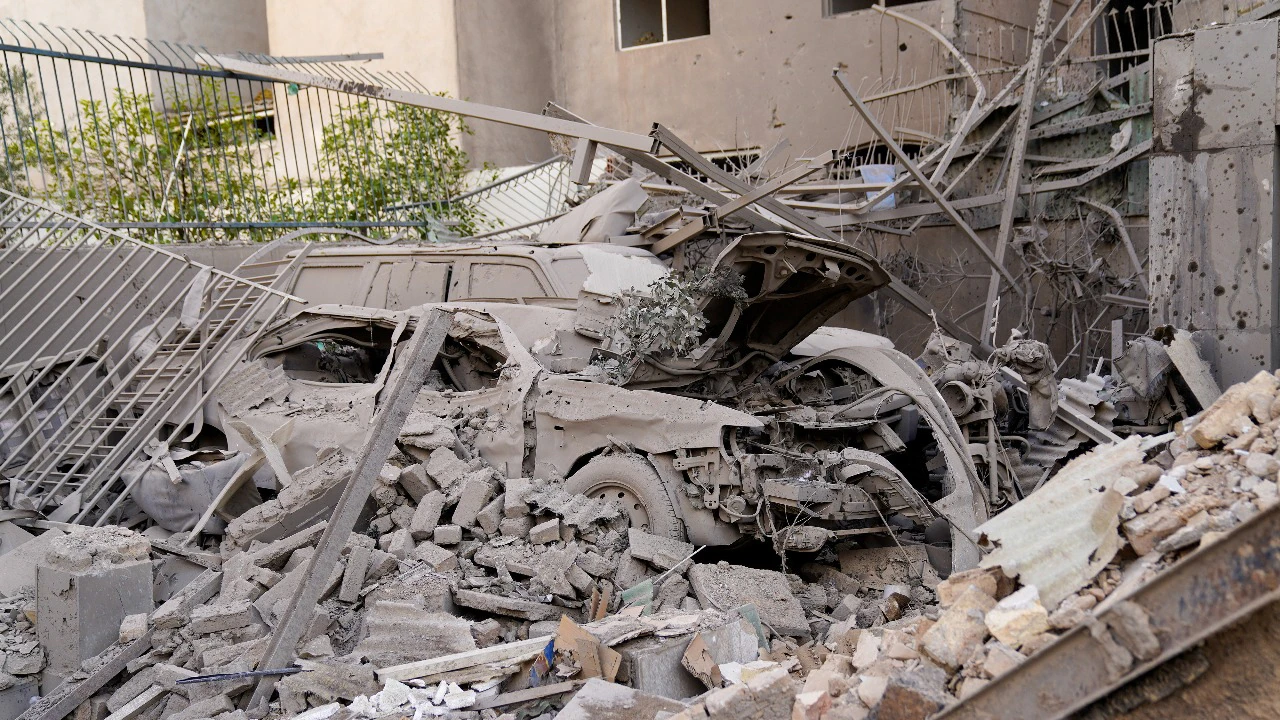
March 3, 2026 – Already grappling with the severe impact of escalating regional conflicts, Iran was struck by a 4.3-magnitude earthquake early Tuesday. The tremors, while moderate in intensity, have added a layer of psychological and logistical strain to a nation currently facing significant military and geopolitical pressures.
Seismic Activity in Southern Iran
According to the United States Geological Survey (USGS), the earthquake occurred at approximately 12:24 PM local time. The epicenter was located near the city of Gerash in the Fars province of southern Iran.
Key technical details of the event include:
- Magnitude: 4.3 on the Richter scale.
- Depth: Approximately 10 kilometers (6.2 miles), categorized as a shallow quake.
- Location: Southern Iran, specifically the Gerash region.
Initial reports from local authorities and state media suggest there have been no immediate casualties or significant structural damage. However, the shallow depth of the quake meant that tremors were felt clearly across nearby towns, sending residents into open spaces for safety.
A Nation Under Pressure
The timing of the earthquake is particularly poignant. Iran is currently navigating one of its most volatile periods in recent history, characterized by:
- Ongoing Military Strikes: The country has been the target of coordinated airstrikes by Israeli and U.S. forces, focusing on strategic military installations and command centers.
- Internal Instability: Recent reports indicate high-level leadership transitions and internal security challenges following the deaths of key military and political figures.
- Economic Strain: The intersection of war and natural disasters continues to test the resilience of Iran’s infrastructure, which is already burdened by international sanctions and the costs of active conflict.
Geopolitical Skepticism
In the current climate of “shadow wars” and clandestine operations, natural seismic events in Iran are frequently met with scrutiny. While the USGS confirms this was a typical tectonic event consistent with the Zagros fold-and-thrust belt—a seismically active zone—social media and some regional analysts have raised questions regarding underground testing. However, experts note that a 4.3-magnitude natural quake carries distinct seismic signatures that differ from man-made explosions.
The Road Ahead
As the dust settles in Gerash, the Iranian government remains focused on the broader conflict. The earthquake serves as a reminder of the “double-threat” many nations in volatile zones face: the unpredictability of nature combined with the volatility of human conflict.
Emergency response teams in Fars province remain on high alert, not only for potential aftershocks but to ensure that the civilian population remains protected as the regional security situation continues to evolve.