
 conducted precision strikes on two significant)
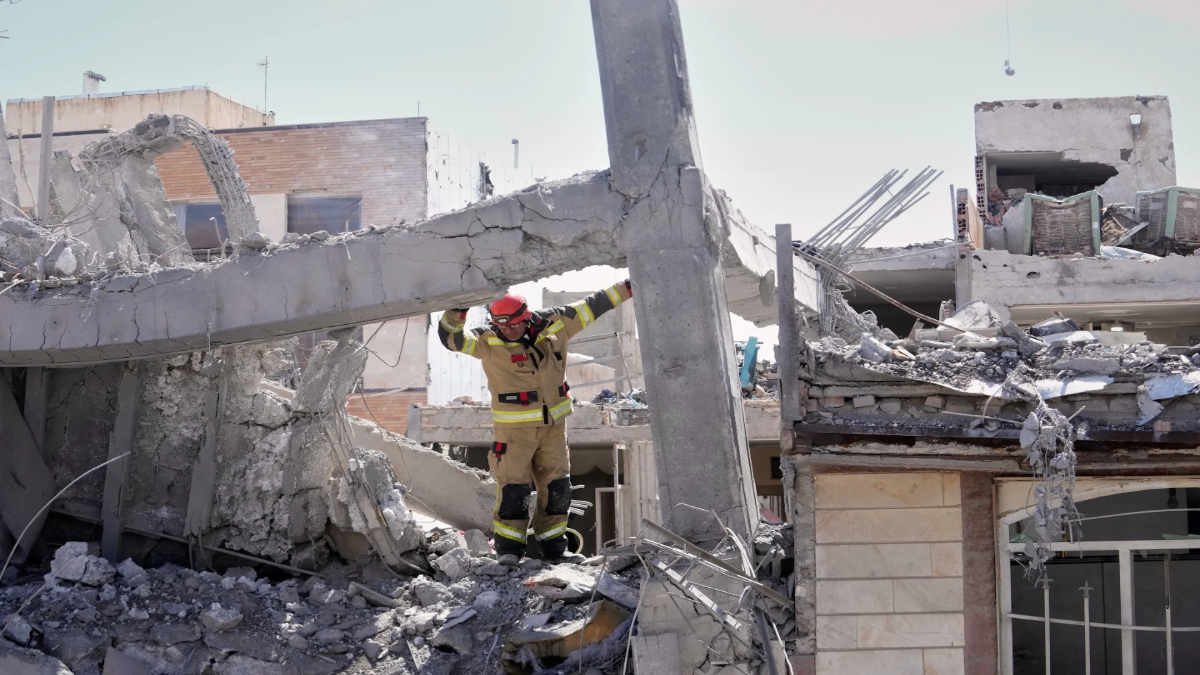
New Delhi, March 28, 2026 — In a major expansion of the ongoing regional conflict, the Israeli Air Force (IAF) conducted precision strikes on two significant Iranian nuclear facilities on Friday, March 27, 2026. The operation marks one of the most direct and consequential hits on Tehran’s nuclear infrastructure since the start of the current war in late February.
The Israeli Defense Forces (IDF) confirmed the mission shortly after Iranian state media reported explosions at the Shahid Khondab Heavy Water Complex near Arak and the Ardakan Yellowcake Production Plant in Yazd Province.
Targeting the Pillars of the Nuclear Program
According to military statements, the strikes were designed to dismantle critical components of Iran’s nuclear fuel cycle.
- The Arak Heavy Water Plant: Israel identified this site as a primary concern for the production of weapons-grade plutonium. The IDF alleged that Iran had been working to rebuild the facility following damage sustained in previous hostilities, claiming the regime was bypassing international commitments to convert the reactor for civilian use.
- The Ardakan Plant: Located in Yazd, this facility is Iran’s only industrial-scale plant for producing “yellowcake”—a concentrated form of uranium ore. Israel characterized the strike as a “major blow,” as the plant provides the raw materials necessary for the enrichment process.
Despite the intensity of the strikes, the Atomic Energy Organization of Iran (AEOI) stated that no casualties were reported at either site. Crucially, officials from both sides and the International Atomic Energy Agency (IAEA) have confirmed there are currently no signs of radioactive leakage or immediate environmental threats to the surrounding populations.
Strategic Context and Retaliation
The strikes follow a stark warning from Israeli Defense Minister Israel Katz, who recently declared that the campaign against Tehran would “escalate and expand” to target any infrastructure supporting the regime’s military capabilities.
The regional fallout was immediate:
- Iranian Retaliation: Tehran responded by launching a barrage of missiles toward Israel, resulting in at least one civilian fatality in Tel Aviv.
- Regional Attacks: Iranian-linked forces also targeted the Prince Sultan Air Base in Saudi Arabia, where U.S. officials reported that at least ten American service members were wounded.
- Economic Impact: Global markets reacted sharply to the news. Oil prices surged to approximately $107 per barrel, and major stock indices like the S&P 500 and Nasdaq saw significant declines amid fears of a prolonged energy crisis.
International Calls for Restraint
The IAEA Director General, Rafael Grossi, issued an urgent plea for “maximum military restraint.” Grossi emphasized that while no radiation has been detected, continued strikes on nuclear-related geography pose an unacceptable risk of a radiological accident that could affect the entire region.
Meanwhile, diplomatic efforts remain fractured. While U.S. President Donald Trump indicated that some back-channel negotiations were “going well,” the reality on the ground suggests a deepening military commitment. Reports indicate that additional U.S. Marines and paratroopers have been ordered to the Middle East to secure key positions.
What Lies Ahead?
As both nations vow to continue their respective campaigns, the focus now shifts to whether the conflict will move toward the Persian Gulf’s energy arteries. Iran has previously threatened to close the Strait of Hormuz, a move that would effectively choke a significant portion of the world’s oil supply.
For now, the destruction of the Arak and Yazd facilities represents a definitive shift in Israeli strategy—moving from “shadow war” tactics to a direct, kinetic dismantling of Iran’s most sensitive strategic assets.