

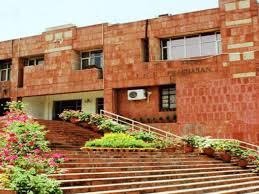
New Delhi, January 8, 2026: A formal legal process has been initiated by the Delhi Police following the emergence of a viral video featuring controversial sloganeering at Jawaharlal Nehru University (JNU). On January 7, 2026, a First Information Report (FIR) was lodged in connection with a late-night protest held at the Sabarmati Dhaba on campus. The action was taken after a detailed complaint was submitted by the university’s Chief Security Officer, who described the slogans as “highly objectionable” and a threat to the peaceful academic environment of the institution.
Shift from Commemoration to Controversy
The event, titled “A Night of Resistance with Guerrilla Dhaba,” was originally organized on January 5, 2026, to mark the sixth anniversary of the 2020 JNU campus violence. However, it was observed by university officials that the nature of the gathering changed significantly following the news of a judicial verdict denying bail to activists Umar Khalid and Sharjeel Imam. According to the administration, the commemorative vigil was overshadowed by provocative chants directed at high-ranking government officials and constitutional institutions, which were captured in the widely circulated footage.
Also Read: The Truth Behind Justin D’Cruz and Sakshi Shrivas’ Fake MMS
Specific Charges and Legal Provisions
The case has been registered under the Bharatiya Nyaya Sanhita (BNS), specifically targeting acts of intentional insult with intent to provoke a breach of peace and statements conducing to public mischief. It was highlighted by the police that legal opinion was sought before the FIR was formalized, as the slogans were deemed to be in “direct contempt” of the Supreme Court of India. While the offenses are currently categorized as non-cognizable and bailable, the police have begun reviewing CCTV footage and the viral videos to identify all individuals who participated in the sloganeering.
University Vows Strictest Disciplinary Measures
In a strongly worded statement, the JNU administration has expressed its refusal to allow the campus to be converted into a “laboratory of hate.” It was warned by the registrar that students found involved in anti-national activities or unlawful conduct would face immediate disciplinary action, including suspension, expulsion, and permanent debarment. The university has named several students in its complaint, including office-bearers of the JNU Students’ Union (JNUSU), asserting that the slogans were deliberate and repeated rather than spontaneous expressions of dissent.
Political Fallout and Student Defense
The incident has once again turned JNU into a national political flashpoint, with leaders from the BJP demanding swift arrests to curb “extremist narratives.” Conversely, the JNUSU has maintained that the slogans raised were “ideological” and were not intended as personal attacks or threats. As of January 8, 2026, the campus remains under tight security as the internal inquiry and the police investigation proceed simultaneously. The outcome of this case is expected to have significant implications for the boundaries of free speech and political activism in Indian universities.