

New Delhi, February 20, 2026: While the India AI Impact Summit 2026 was designed to showcase the nation’s cutting-edge digital infrastructure, it was the city’s age-old logistical challenge—traffic—that stole the spotlight for one high-profile guest.
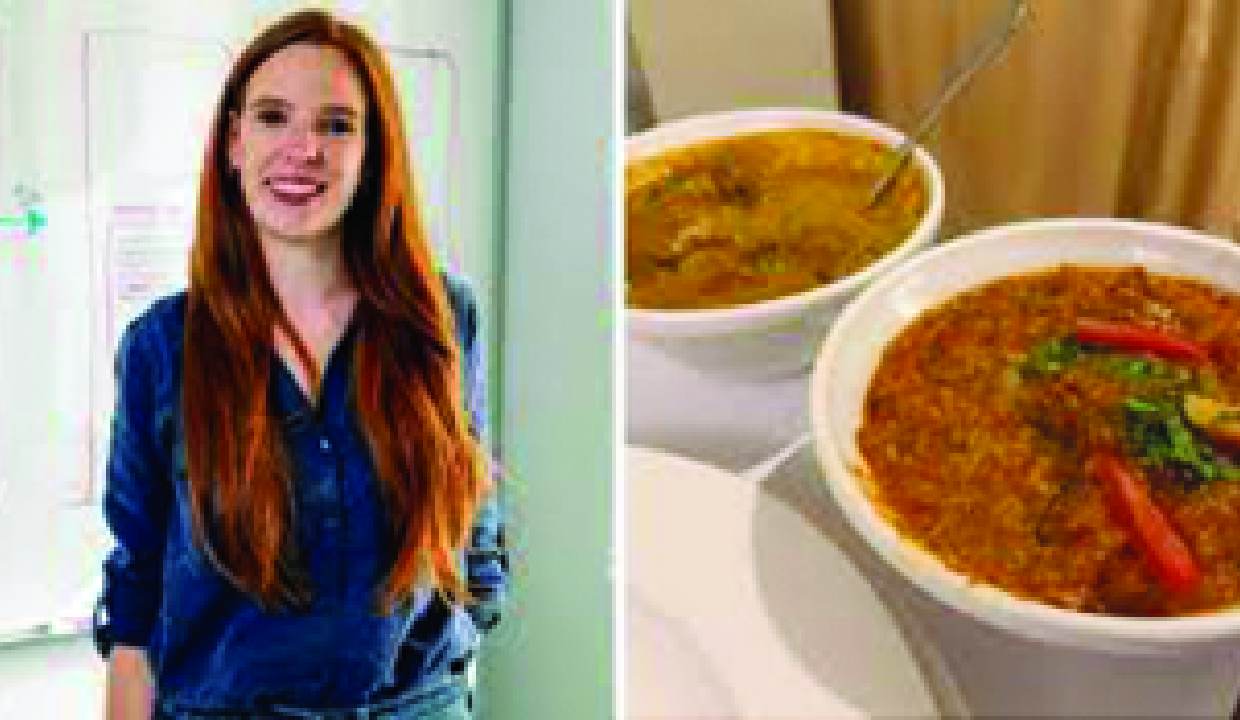
Sara Hooker, the co-founder and CEO of Adaption Labs, a prominent US-based AI research company, found herself trading a seat at a VIP gala dinner hosted by Prime Minister Narendra Modi for a quiet meal in her hotel room at 11:00 PM. The culprit? A four-hour gridlock that effectively paralyzed central Delhi.
From Couture to Cold Cuts: A Four-Hour Ordeal
The incident unfolded on Wednesday evening during the high-stakes AI summit held at Bharat Mandapam. After attending several morning and afternoon sessions, Hooker returned to her hotel to change from her casual summit attire into formal wear for the exclusive gala dinner.
However, her attempt to return to the venue became a lesson in the intensity of Delhi’s “VIP movement” protocols.
- The Wait: Hooker was stuck in stationary traffic for nearly four hours.
- The Pivot: Realizing she would never make it to the gala on time, she eventually instructed her driver to turn back.
- The Result: At 11:00 PM, she posted a photo on social media of her “excellent” late-night room service dinner—a humble plate of Indian curry and rice—noting that while she would have been “honored to attend” the gala, she was equally honored to finally sit down and eat.
A Summit of Disruption
Hooker was far from the only victim of the logistical chaos. As Delhi hosted over 40 global CEOs—including Sundar Pichai (Google) and Sam Altman (OpenAI)—and 20 heads of state, the city’s heart was cordoned off with stringent security tiers.
Reports emerged of several other delegates being forced to walk for kilometers to reach their destinations.
“We came for disruption (in AI), but we got disrupted (by traffic),” joked one attendee on X (formerly Twitter), after walking 3 kilometers to find a cab because local metro stations were temporarily closed for security.
| Key Impact Areas | Reason for Congestion |
| Mathura Road & Bhairon Marg | Primary routes to Bharat Mandapam blocked for VVIPs. |
| Sardar Patel Marg | Heavy delays due to movement of international heads of state. |
| Public Transport | Closures of nearby Metro stations forced delegates onto the streets. |
The “Artificial vs. Basic” Intelligence Debate
The traffic snarls have sparked a heated debate online. Critics, including local political leaders, pointed out the irony of a summit dedicated to “Artificial Intelligence” failing to utilize “basic intelligence” for traffic management.
Social media was flooded with videos of delegates in suits walking along Delhi’s arterial roads, while motorcyclists were seen crossing illegal dividers to escape the gridlock. Despite the frustration, many attendees, including Hooker, maintained a sense of humor. Hooker later clarified that she didn’t blame the organizers, acknowledging that her car simply got caught in the wrong part of the city just as the security “lockdown” commenced.
Looking Ahead
As the five-day summit draws to a close, the incident serves as a reminder of the growing pains faced by global megacities when hosting world-class events. While India’s AI ambitions are moving at gigabit speeds, the physical reality of its capital city remains firmly rooted in the complexities of urban congestion.