Now Reading: Gurudwara Sevadar Issues Public Apology After Viral Dance
-
01
Gurudwara Sevadar Issues Public Apology After Viral Dance


New Delhi, January 30, 2026: A significant wave of religious sensitivity and community backlash has been triggered across social media following the emergence of a viral video featuring a Gurudwara sevadar. In the footage, which gained massive traction in late January 2026, the worker is observed dancing to the popular Bollywood track “Kajra Re.” It is noted that the energetic dance was performed within a setting associated with the religious institution, leading many to view the act as a breach of sanctity. This specific interaction has been widely shared as a primary example of the growing friction between personal digital expression and the traditional protocols of religious spaces.
The Mechanics of the Viral Backlash
The specifics of the incident were meticulously scrutinized by members of the Sikh community as the clip began to circulate on various messaging platforms. It is observed in the viral footage that the sevadar, while in his official capacity, engaged in a lighthearted dance that was deemed inappropriate for the solemnity of his role. It is reported by several community leaders that the choice of a “filmi” song intensified the offense taken by the public. The visual of a person dedicated to religious service dancing to mainstream cinema music has provided a grounding narrative for the collective outrage observed among the faithful.
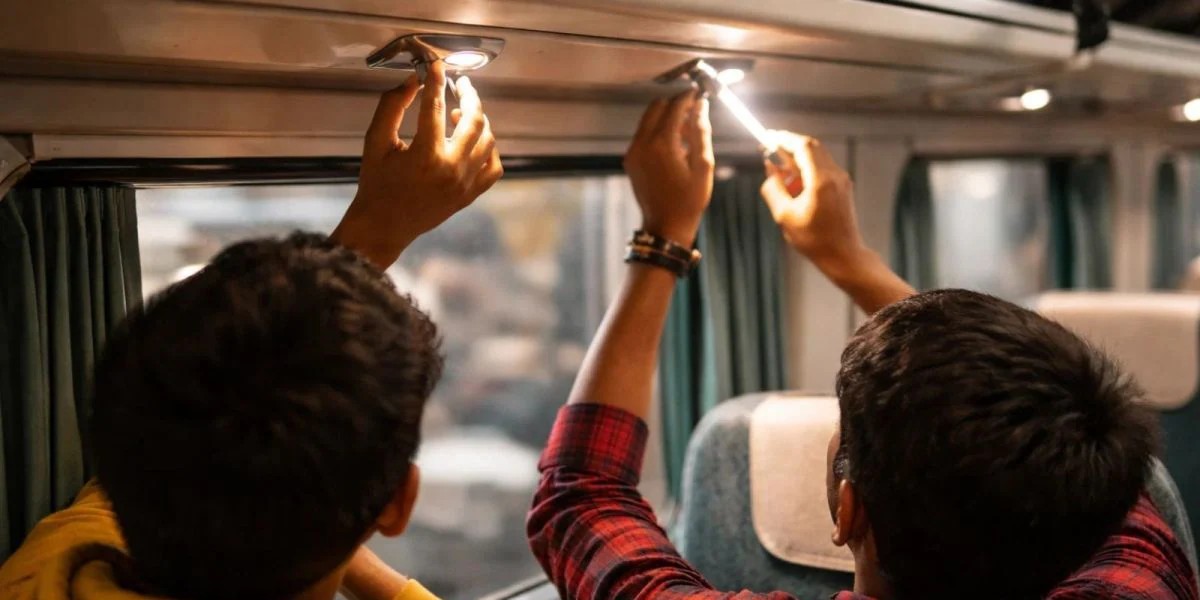
Also Read: Children Misusing Train Reading Lights Sparks Civic Sense Debate
The Sevadar’s Public Admission and Apology
A massive conversation regarding behavioral codes for religious workers has been ignited by this interaction, leading to a formal response from the individual involved. It is noted that the sevadar, upon realizing the magnitude of the community’s hurt, released a video statement expressing his deep regret. The worker is observed seeking forgiveness with folded hands, stating that the act was not intended to disrespect the faith or the Gurudwara. It is believed that his promise to “never dance again” in such a manner was a necessary step to de-escalate the rising tensions within the community.
Impact on Institutional Policy and Personal Conduct
The impact of the video has extended beyond a single apology to influence a broader discussion on the conduct of staff within religious premises. It is frequently mentioned by Gurudwara management committees that a stricter code of conduct regarding social media usage will now be enforced for all employees. A renewed sense of vigilance is being observed among religious institutions, who are now being urged to educate their workers on the boundaries of public behavior. It is believed that the viral nature of this specific “Kajra Re controversy” will serve as a landmark reminder of the importance of maintaining decorum in sacred environments.
A Stark Reminder of Cultural Boundaries
As the conversation continues to trend in late January 2026, it serves as a powerful and resilient reminder that some spaces require a level of reverence that transcends digital trends. It is believed that the “Sevadar Dance Controversy” will remain a primary highlight of the year’s most significant discussions on the intersection of faith and social media. The legacy of this viral moment is expected to be a heightened public awareness of the emotional weight carried by religious traditions. Until a more balanced approach to modern self-expression is found within traditional frameworks, this incident remains a stark testament to the fact that not every stage is meant for a performance.