

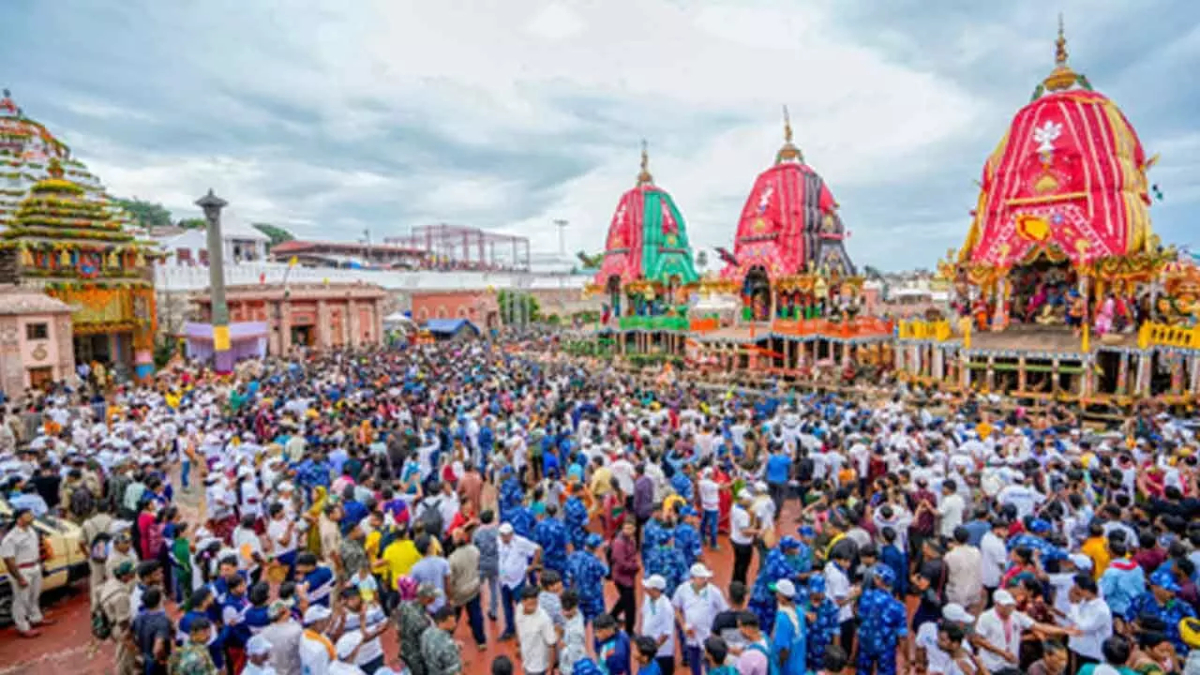
New Delhi, December 30, 2025: Hasin Jahan, the estranged wife of Indian cricket star Mohammed Shami, has found herself at the center of a social media storm following her recent visit to the historic Jagannath Temple in Puri. The controversy erupted after Jahan shared a photograph of herself with a temple priest during the auspicious occasion of Vaikuntha Ekadashi 2025.
While the visit was intended as a spiritual journey, the post quickly became a lightning rod for “online hate,” highlighting the persistent scrutiny Jahan faces regarding her personal life and religious choices.
A Spiritual Visit Amidst Festive Fervor
Vaikuntha Ekadashi is one of the most significant days in the Hindu calendar, attracting millions of devotees to Vaishnavite shrines across India. Jahan, who has been active on social media sharing glimpses of her life, posted a picture from the temple premises seeking blessings.
In the photograph, she is seen standing alongside a senior priest of the Jagannath Temple. The post was captioned with messages of peace and devotion, but the reaction from certain sections of the internet was far from peaceful.
The Anatomy of the Backlash
The “trolling” directed at Jahan appears to stem from two main fronts:
- Religious Sensitivity: A segment of users criticized Jahan for visiting a Hindu shrine, citing her religious background. These comments often veered into personal attacks, questioning her motives and her faith.
- The Shami Connection: Despite the couple being separated for years, many netizens continue to link Jahan’s every move to her estranged husband, Mohammed Shami. Some commenters used the post to dredge up past grievances and legal battles associated with their high-profile split.
A History of Public Scrutiny
This is not the first time Hasin Jahan has faced the ire of the “moral police.” Since her public fallout with Mohammed Shami in 2018—which involved serious allegations and ongoing legal proceedings—she has frequently been targeted for her lifestyle choices, professional shoots, and social media presence.
Despite the heavy influx of negative comments, Jahan has historically remained defiant. She often chooses to ignore the trolls, continuing to post content that reflects her independence and her journey as a single mother.
Looking Ahead
The incident serves as a stark reminder of the toxic side of social media culture, where celebrity personal lives often become battlegrounds for ideological clashes. As of now, Hasin Jahan has not issued an official statement regarding the specific comments on her Puri visit, choosing instead to let the images of her pilgrimage stand on their own.
The Jagannath Temple administration has always maintained that the deity is for all devotees, emphasizing a message of universal inclusion—a sentiment many hope will eventually reflect in the digital discourse.