

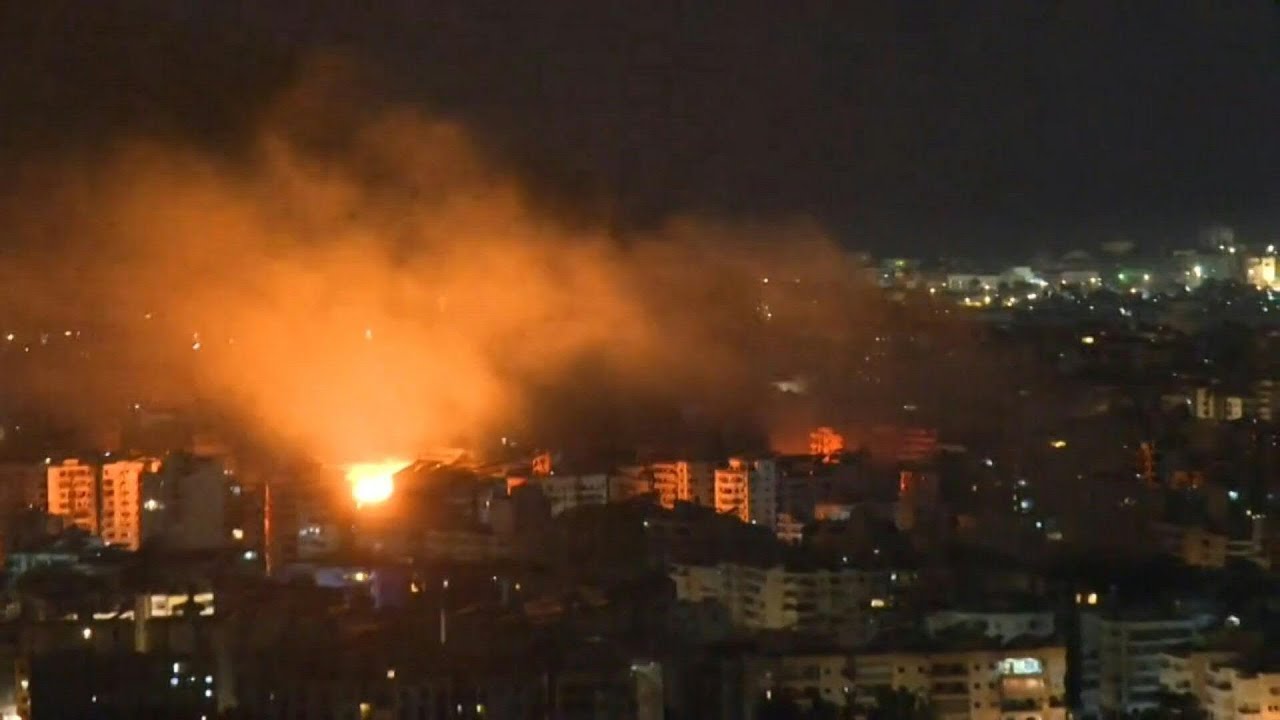
May 7, 2026: The geopolitical landscape of West Asia reached a fever pitch this week as a high-stakes “carrot and stick” strategy unfolded on the global stage. While U.S. President Donald Trump signaled a breakthrough in negotiations with Tehran, characterizing a peace deal as “very possible,” the reality on the ground remained starkly violent. On Wednesday evening, Israeli warplanes shattered a weeks-long relative calm in the Lebanese capital, bombing southern Beirut in a targeted strike that killed a top Hezbollah commander.
Trump’s Oval Office Optimism: A Deal in Sight?
Speaking from the Oval Office, President Trump told reporters that the last 24 hours of diplomatic engagement with Iran have been “very good.” His comments suggest that the two-month-old war between the United States and Iran—which has crippled global oil markets and sent gas prices soaring—could be nearing a diplomatic off-ramp.
“Iran wants to make a deal badly,” Trump asserted, emphasizing that any agreement would hinge on a permanent moratorium on Iran’s nuclear ambitions. “They cannot have a nuclear weapon, and they won’t. They’ve agreed to that.”
While the President’s tone was optimistic, it was underscored by a characteristic threat of escalation. Trump warned that if negotiations fail to produce a signed memorandum, the U.S. is prepared to resume a bombing campaign at a “much higher level and intensity” than previously seen. As a show of continued pressure, the U.S. military recently disabled an Iranian oil tanker in the Gulf of Oman after it allegedly attempted to breach a maritime blockade.
The Beirut Strike: A Message to Hezbollah
As Washington talked peace, Jerusalem intensified its military pressure. For the first time since a shaky ceasefire took effect on April 17, Israeli missiles struck the Ghobeiry area in Beirut’s southern suburbs.
The Israel Defense Forces (IDF) confirmed the strike targeted and killed Malek Ballout, the operations commander of Hezbollah’s elite Radwan Force. Prime Minister Benjamin Netanyahu was quick to take credit, stating, “No terrorist has immunity. We promised to bring security to the residents of our north, and we are doing exactly that.”
The timing of the strike is critical. Analysts suggest the assassination serves two purposes:
- Strategic Degradation: Neutralizing the leadership of the Radwan Force, Hezbollah’s most capable offensive unit.
- Diplomatic Leverage: Sending a clear signal to Tehran—Hezbollah’s primary benefactor—that Israel will not be bound by U.S.-led negotiations if it perceives an immediate threat on its border.
Economic Ripples: Oil and the Strait of Hormuz
The conflict’s most immediate global impact remains the closure of the Strait of Hormuz. With the vital waterway largely blocked, crude oil prices have hovered stubbornly above $100 a barrel.
However, Trump’s recent optimism sparked a relief rally in Asian markets. The Nikkei 225 jumped 4.6% as investors bet on a deal that would reopen shipping lanes for oil, natural gas, and fertilizer. The U.S. has reportedly paused “Project Freedom”—a naval effort to forcibly escort merchant ships through the strait—to give the current diplomatic push room to breathe.
The Proposed “One-Page” Peace Plan
According to reports, the proposed deal mediated through Pakistani channels is a concise “one-page memorandum.” While the full details remain under wraps, the core pillars include:
- Nuclear Halts: A strict moratorium on Iranian uranium enrichment.
- Economic Relief: Lifting specific U.S. sanctions and releasing frozen Iranian funds.
- Maritime Security: The immediate reopening of the Strait of Hormuz to international shipping.
Tehran has reacted with characteristic caution. Foreign Ministry spokesperson Esmaeil Baghaei stated that the proposal is “still under review,” dismissing some reports of an imminent breakthrough as “media speculation.” Within Iran, hardline voices in the Parliament have mocked the U.S. efforts, calling them an attempt to save face after failing to break the blockade militarily.
A Region at a Crossroads
Despite the talks, the humanitarian toll continues to mount. In Lebanon, the Ministry of Health reports over 2,700 dead and 1.6 million displaced since March. In Gaza, despite a nominal ceasefire, skirmishes continue to claim civilian lives.
The coming 48 hours are viewed as a “make-or-break” window for the region. If Iran accepts the memorandum, it could signal the end of the most direct confrontation between Washington and Tehran in decades. If the deal collapses, the “bombing starts” threat from the White House, combined with Israel’s “decisive steps” in Lebanon, suggests a shift from a limited conflict to an all-out regional war.
For now, the world watches the diplomatic cables coming out of Islamabad and the smoke rising over Beirut, waiting to see which side of the “possible” deal the coin lands on.