

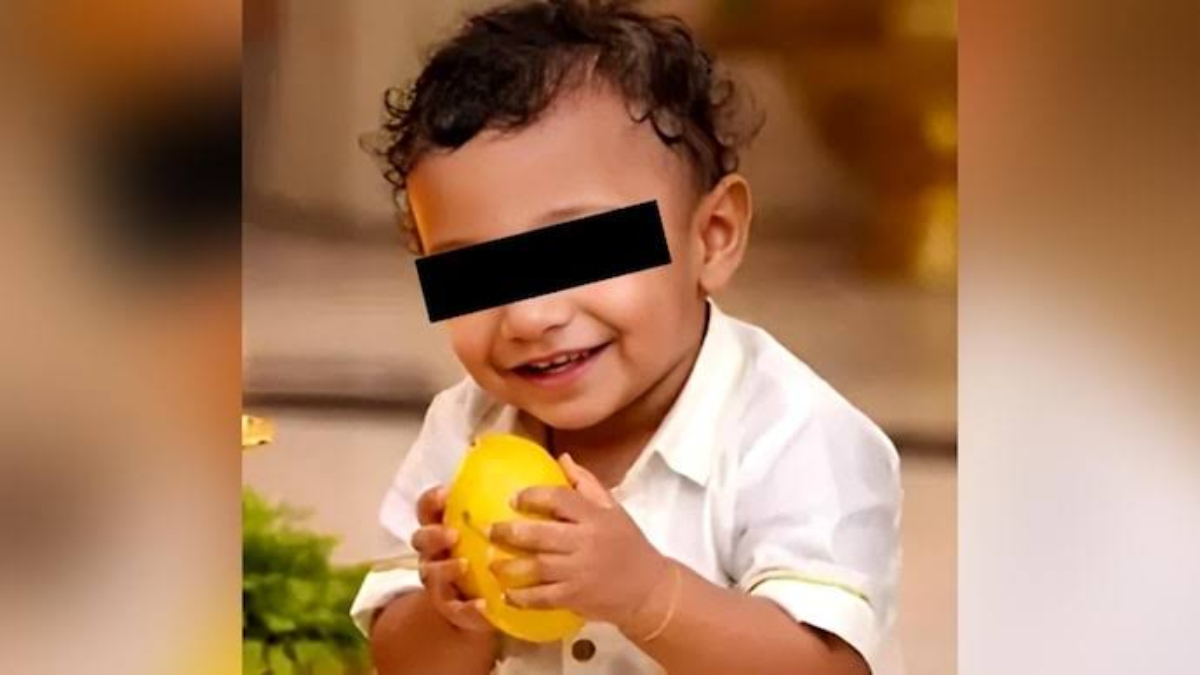
New Delhi, July 11, 2026: A deep wave of grief and anger has enveloped the Payyannur region in Kannur district after an 18-month-old toddler, Devansh Shouria, passed away following major medical complications from anaesthesia. The little boy had been admitted to a local hospital for a relatively minor procedure to treat a lip injury. After battling for his life on a ventilator for nearly five days, the child succumbed to his deteriorating condition, turning a routine hospital visit into a heartbreaking tragedy.
The child’s death has triggered massive emotional shockwaves across the state, particularly given the circumstances of the family. Devansh was the only child of Sooraj and Vijisha, residents of Naduvilekuni in Eramam. The couple had welcomed their son after an extended eight-year wait after marriage. Following his death, local protests have erupted around the medical facility, with local residents and political activists demanding strict accountability and an unbiased, transparent investigation into the tragedy.
The Incident: From a Minor Fall to Critical Care
The unfortunate series of events began on Sunday, July 5, 2026, when young Devansh was playing at his home in Eramam. The toddler accidentally fell down, sustaining a small, bleeding cut on his lip. Seeking immediate treatment for the superficial wound, his parents rushed him to the Baby Memorial Hospital in Payyannur.
Upon initial examination, the attending medical team advised that the cut required a few stitches (sutures). Due to the child’s tender age and the difficulty of keeping an 18-month-old completely still during facial suturing, the doctors recommended administering general anaesthesia to carry out the procedure smoothly.
However, the routine clinical procedure took a disastrous turn almost immediately. According to the complaint registered by the toddler’s relatives, Devansh lost consciousness and became completely unresponsive right after the anaesthesia was administered by the resident anaesthetist. Realizing that the child’s vital parameters were plummeting and his health condition was turning critical, the hospital authorities hurriedly placed him on an emergency ventilator. Recognizing the limitations of their immediate setup to handle the emergency, they shifted the unresponsive toddler to the more advanced intensive care unit at the Baby Memorial Hospital branch in Kannur city.
Allegations of Medical Negligence and Police Action
For nearly five days, Devansh remained in a deep coma on life support in the intensive care unit. Medical assessments later indicated that the boy had suffered severe, irreversible brain damage due to a lack of oxygen supply during the initial crisis. Despite the intensive medical efforts of the specialists in Kannur, the toddler could not be revived and breathed his last.
Believing that the tragedy was a direct result of a clinical blunder, the child’s relative, K. Rajeevan, filed an official police complaint. The family has firmly alleged that the medical team administered an excessive dose or an incorrect mixture of anaesthesia, which directly triggered the catastrophic medical crisis.
With the toddler’s passing, authorities are reviewing the case to alter or upgrade the charges based on incoming forensic data.
Post-Mortem Completed to Uncover the Truth
Following the child’s death, the local police and district administration ordered a comprehensive post-mortem examination to determine the precise cause of the fatality. The autopsy was successfully completed at the Government Medical College Hospital, where forensic experts painstakingly evaluated the child’s organs, respiratory system, and neurological state.
The primary focus of the post-mortem analysis is to identify whether the brain death and cardiac arrest were caused by an accidental overdose of sedative agents, an underlying, undetected anatomical vulnerability, or procedural delays in reviving the child when he first crashed. While the physical procedure of the post-mortem is over, the final, conclusive report is currently awaiting the results of chemical viscera tests and a detailed histopathology analysis of the organ tissues. Investigators have noted that these forensic findings will serve as the core scientific evidence to dictate the future course of the criminal investigation.
Hospital Issues Denial, Cites Sudden Cardiac Arrest
As public anger continues to mount and demonstrations take place outside the hospital premises, the management of Baby Memorial Hospital, Payyannur, has issued a public statement strongly refuting all claims of medical negligence or dosage errors.
According to the hospital’s management, the medical team followed standard clinical protocols for pediatric sedation. They maintained that the toddler suffered an unexpected, sudden cardiac arrest immediately after receiving the anaesthesia—a rare but recognized catastrophic risk associated with sedative drugs.
The hospital authorities stated that their medical staff did not panic and immediately initiated advanced cardiopulmonary resuscitation (CPR), placed the boy on ventilator support, and organized an emergency transfer to a higher center with specialized pediatric care. The hospital’s official release argued that such dangerous complications can occasionally manifest during anaesthesia administration regardless of how accurately the dosage is calculated, claiming that all available emergency measures were deployed to try and save the young boy’s life.
Community in Mourning as Probe Widens
The tragic loss has left the Eramam village in profound mourning. Neighbors and relatives have gathered at the grieving parents’ home, expressing solidarity with a mother and father whose long-awaited happiness was cut short within a matter of minutes.
The Kerala State Human Rights Commission and various health watchdogs are expected to seek an independent report from the District Medical Officer (DMO) regarding the pediatric protocols followed during the incident. The police have already seized the relevant medical case sheets, anaesthesia logs, and treatment records from the Payyannur hospital to check for any discrepancies.
As the local community demands justice for baby Devansh, all eyes are now on the forthcoming detailed post-mortem findings, which will legally establish whether this heartbreaking loss was an unavoidable medical anomaly or a case of punishable clinical oversight.