

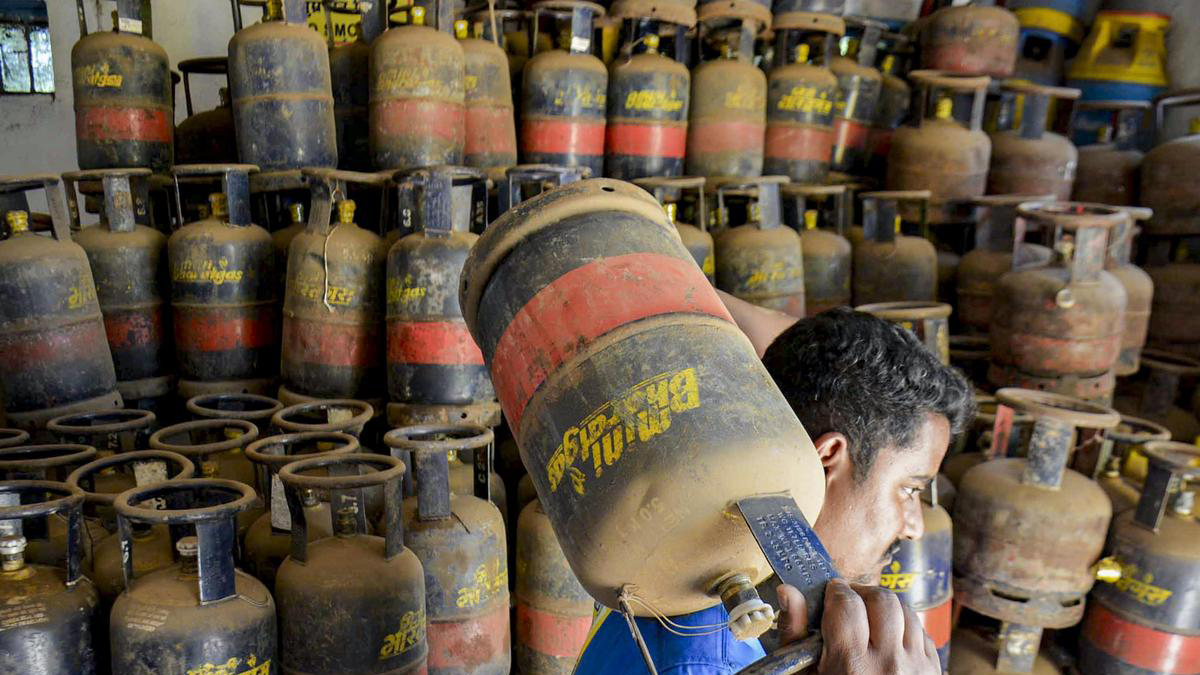
New Delhi, March 7, 2026: Cooking gas prices in India have seen a significant jump as the ripple effects of the escalating West Asia conflict reach domestic kitchens. On Saturday, March 7, 2026, oil marketing companies (OMCs) announced a hike of ₹60 in the price of a non-subsidised 14.2 kg domestic LPG cylinder.
This move marks the second major price revision in less than a year, following a ₹50 increase in April 2025. The hike comes at a time when global energy markets are reeling from geopolitical instability, forcing a recalibration of fuel costs across the country.
Revised LPG Rates Across Major Metros
The impact of the hike varies slightly across states due to local taxes and VAT. Below are the updated rates for a domestic 14.2 kg cylinder as of today:
| City | Old Price (Approx.) | New Price (Effective Mar 7) |
| Delhi | ₹853 | ₹913 |
| Mumbai | ₹852.50 | ₹912.50 |
| Kolkata | ₹879 | ₹939 |
| Chennai | ₹868.50 | ₹928.50 |
Commercial users are facing an even steeper burden. The price of a 19 kg commercial LPG cylinder has been raised by approximately ₹115, bringing the cost in Delhi to ₹1,883. This follows a smaller hike earlier this month, totaling an increase of over ₹300 for businesses so far this year.
The Geopolitical Trigger: West Asia in Turmoil
Industry experts point to the intensifying military conflict in West Asia—specifically involving the United States, Israel, and Iran—as the primary driver behind this surge.
- Supply Chain Risks: Concerns over the Strait of Hormuz, a critical maritime chokepoint, have spiked. Nearly half of India’s LPG and crude oil imports pass through this narrow waterway.
- Global Energy Benchmarks: Following recent strikes in the region, global crude and gas benchmarks have seen double-digit percentage gains. Brent crude has hovered near the $90 mark, directly impacting the landed cost of LPG for Indian refiners.
- Production Directives: To mitigate potential shortages, the Indian government has invoked emergency powers under the Essential Commodities Act, 1955, directing refiners to maximize LPG production for domestic use.
Relief for Ujjwala Beneficiaries
In a move to shield the most vulnerable sections of society, the government has kept the prices for Pradhan Mantri Ujjwala Yojana (PMUY) beneficiaries unchanged. Over 10 crore households under this scheme will continue to receive a subsidy of ₹300 per cylinder for up to 12 refills a year, ensuring that the global price shock does not compromise clean cooking access for the poor.
Government Assurance on Supply
Despite the price hike, Union Petroleum Minister Hardeep Singh Puri has sought to allay fears of a fuel shortage. In a statement, the Ministry emphasized that India maintains robust reserves—sufficient for roughly 50 days of national consumption—and has successfully diversified its import sources to include more shipments from Russia and the United States.