

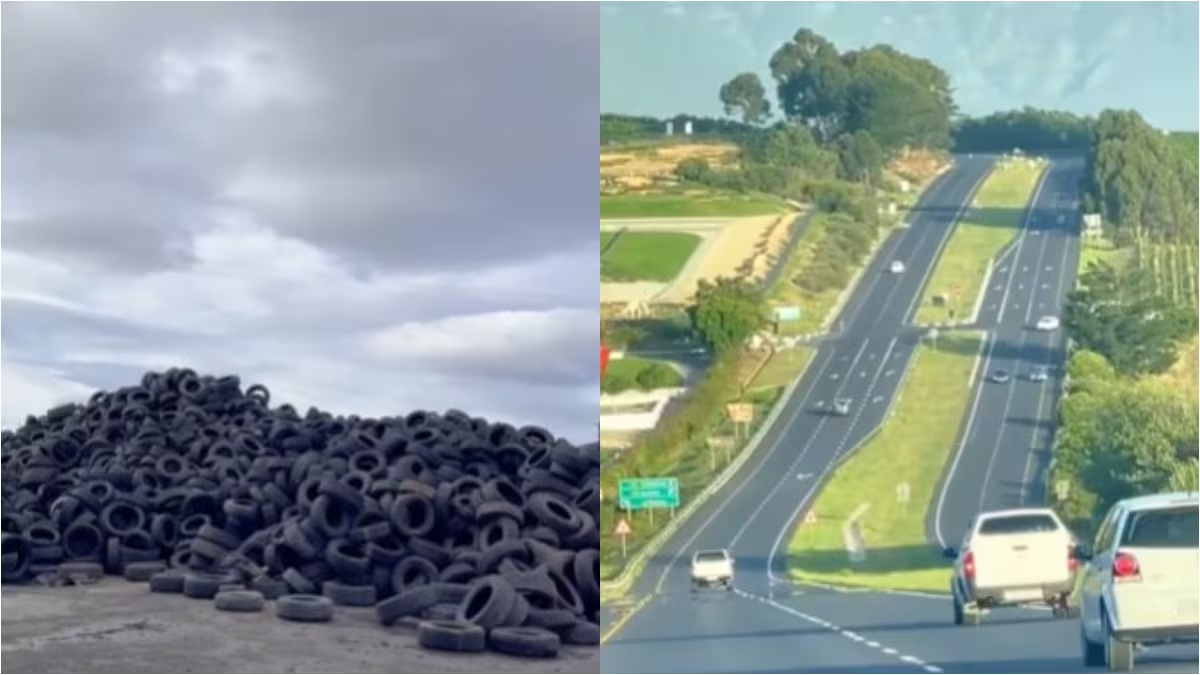
New Delhi, December 15, 2025: A widely circulated viral video has revealed an unusual and largely unknown practice in the United States: the burial of millions of discarded, old tires beneath the country’s network of roads and highways. The video, which provided visual evidence of this engineering method, instantly sparked public intrigue and initiated a global discussion regarding waste management strategies, civil engineering practices, and environmental sustainability.
The Hidden Practice Is Exposed
The video footage, reportedly filmed by a construction worker or engineer, documented large volumes of worn-out vehicle tires being strategically laid down in trenches and compacted before a new layer of road base material and asphalt was poured over them. The sheer number of tires shown being used and buried was the key factor that caused the video to go viral.
The clip’s narration claimed that this technique has been employed across vast sections of the American road infrastructure for decades. The discovery revealed a method of waste utilization that was not widely known outside of specialized engineering and environmental sectors.
Also Read: Highway Speedometer Video of Boy Running Sparks
Environmental Concerns Are Raised
Despite the engineering benefits, the viral revelation reignited a long-standing environmental debate. While using tires in road construction diverts them from overcrowded landfills, concerns were raised regarding the potential for long-term leaching of toxic chemicals from the rubber into groundwater.
Environmental agencies and researchers have long struggled to find safe, large-scale uses for the estimated 250 million scrap tires generated in the US each year. While the use of TDA is regulated, critics argue that placing non-degradable, chemical-laden material beneath infrastructure only postpones the environmental problem rather than solving it completely.
The video successfully shone a light on an obscure practice, ensuring that the topic of responsible tire recycling and the environmental trade-offs of large-scale civil engineering projects were thrust back into the public consciousness.