

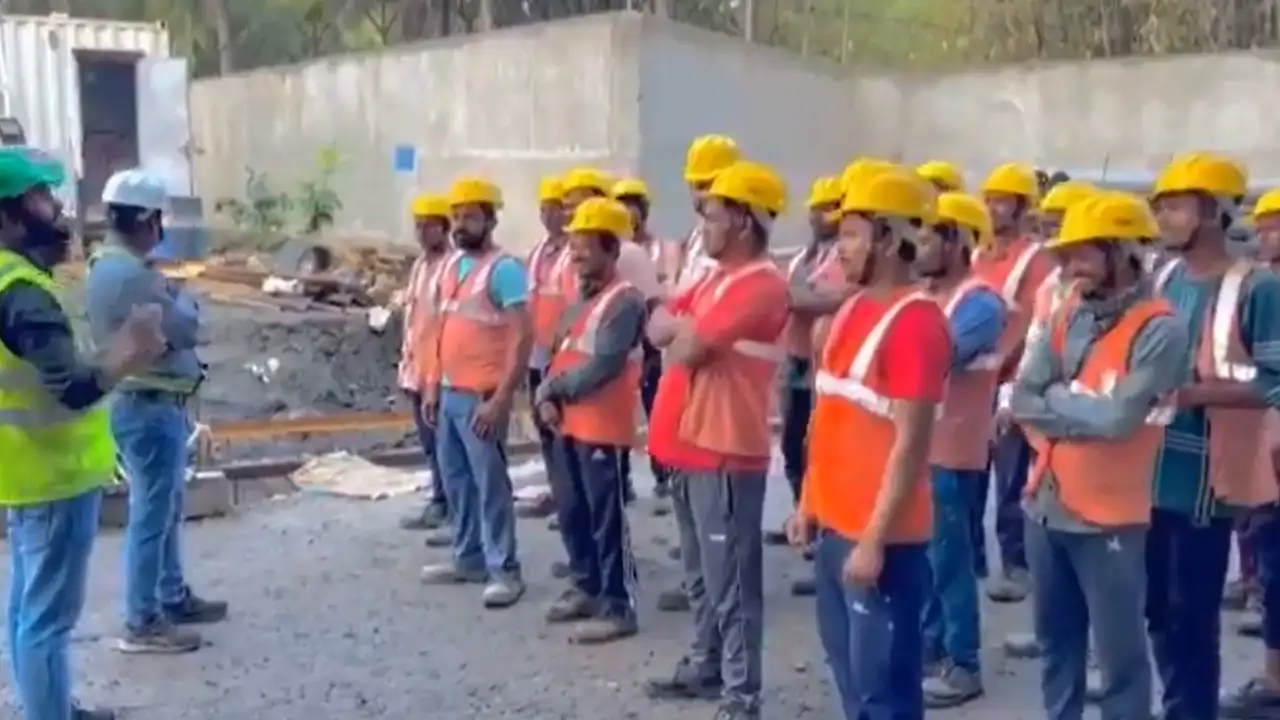
New Delhi, March 24, 2026: A significant wave of public anger and digital debate has been triggered across India following a dismissive remark made by a labor supervisor during the ongoing LPG shortage. In the footage, which gained massive traction on March 23, 2026, a group of factory workers was observed complaining about the lack of cooking gas in their canteen and residential quarters. It is noted that instead of offering a logistical solution, the supervisor was heard telling the frustrated laborers, “If there is no gas, eat dahi-choora (curd and flattened rice).” This startlingly insensitive response has been widely shared as a primary example of the growing friction between management and workforce during the national energy crisis.
The Mechanics of the “Cold Meal” Advice
The specifics of the incident are being meticulously discussed as the West Asia conflict continues to disrupt India’s fuel supply chains. It is observed in the viral reports that the supervisor’s suggestion of dahi-choora—a traditional no-cook meal—was intended to bypass the need for a functional stove. It is reported by several digital observers that the workers, who perform heavy manual labor, found the suggestion insulting and nutritionally inadequate for their physical demands. The visual of the supervisor casually dismissing the need for warm food has provided a grounding narrative for the broader “थाली” (plate) crisis currently affecting millions of households.
Also Read: 3-Month-Old Baby’s Goddess Ambabai Transformation
Netizens React: “Let Them Eat Poha”
A massive conversation regarding “empathy” and “labor rights” has been ignited by this digital revelation, with many comparing the remark to the infamous “Let them eat cake” quote. It is noted that the video was met with an outpouring of criticism, with netizens remarking that those in power are often disconnected from the daily struggles of the common man. The supervisor is being widely discussed as a symbol of corporate apathy, while others have pointed out the health risks of forcing workers onto a cold diet during the changing season. Thousands of analytical comments have been left by users who expressed their support for the workers, stating that such videos serve as a stark reminder of the social inequality exacerbated by resource shortages.
Impact on Industrial Relations and Energy Policy
The impact of this viral event has extended beyond the factory gates to influence a broader discussion on the government’s response to the LPG drought. It is frequently mentioned by economic analysts that the scarcity, caused by tensions in the Strait of Hormuz, is forcing many small-scale industries and community kitchens to shut down. A renewed sense of urgency is being observed among labor unions, who are now demanding subsidized meals or alternative fuel sources like electric induction stoves for worker colonies. It is believed that the viral nature of this specific “Curd-Poha Video” will prompt a dialogue on the responsibility of employers to ensure basic amenities for their staff during national emergencies.
A Stark Reminder of a Heating Crisis
As the gas shortage continues into late March 2026, it serves as a powerful and resilient reminder that energy security is a fundamental human right. It is believed that the account of the “Supervisor’s Advice” will remain a primary highlight of the month’s most discussed and socially polarizing labor features. The legacy of this viral event is expected to be a heightened public awareness of the vulnerability of India’s migrant workforce to global supply shocks. Until the supply of LPG is restored to pre-crisis levels, this story remains a stark testament to the fact that while a meal can be cold, the public’s reaction to injustice is always at a boiling point.