

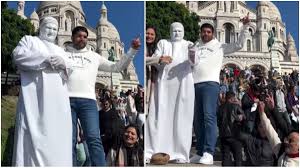
New Delhi, January 19, 2026: A significant controversy was ignited recently after a viral video featuring a group of Indian tourists in Paris began circulating across social media platforms. In the footage, the tourists are observed chanting the slogan “Jai Maharashtra” with high intensity near the iconic Eiffel Tower and other public spaces. It is noted that the boisterous display was recorded by onlookers and the tourists themselves, eventually finding its way to a global audience. The behavior has since been characterized by many as a breach of public decorum in an international setting.
Sharp Backlash from the Digital Community
The reaction from the online community was swift and largely critical of the group’s actions. It was argued by many netizens that such loud sloganeering in a foreign country reflects poorly on the collective image of Indian travelers. The phrase “these people are an embarrassment to us” was frequently echoed in the comment sections of the viral posts. It is observed that a sense of collective shame was expressed by fellow citizens who believe that cultural pride should be displayed with more grace and respect for local norms.
Also Read: Sai Krishna Condemns Toxic Viral Video Culture
The Conflict Between Pride and Protocol
A deeper discussion regarding the boundary between regional pride and travel etiquette has been prompted by this incident. While the sentiment of “Jai Maharashtra” is deeply rooted in cultural identity, its loud proclamation in a quiet Parisian neighborhood was seen as intrusive. It is suggested by travel experts that the “main character syndrome” often observed in viral videos leads to a disregard for the comfort of others. The tourists were criticized for treating a historical international landmark like a local political rally, thereby drawing negative attention to their nationality.
Impact on the Global Perception of Indian Travelers
Concerns regarding the long-term impact on the reputation of Indian tourists have been raised by frequent international travelers and expatriates. It is feared that such viral moments contribute to a stereotype of being “loud” or “disrespectful” guests in European cities. Efforts are being made by several travel influencers to use this incident as a teaching moment for the importance of “soft power.” It is believed that the way individuals conduct themselves abroad acts as an unofficial diplomatic representation of their home country.
Seeking a Balance in Cultural Expression
As the video continues to trend, a call for more responsible behavior during international visits is being amplified. It is suggested that regional slogans and cultural celebrations are best suited for appropriate venues rather than quiet public squares in foreign capitals. The “Paris Slogan Controversy” remains a hot topic of debate, serving as a reminder that actions taken for a few seconds of viral fame can have lasting consequences for a nation’s image. Whether this backlash will lead to a shift in traveler behavior remains to be seen in the upcoming holiday seasons.