

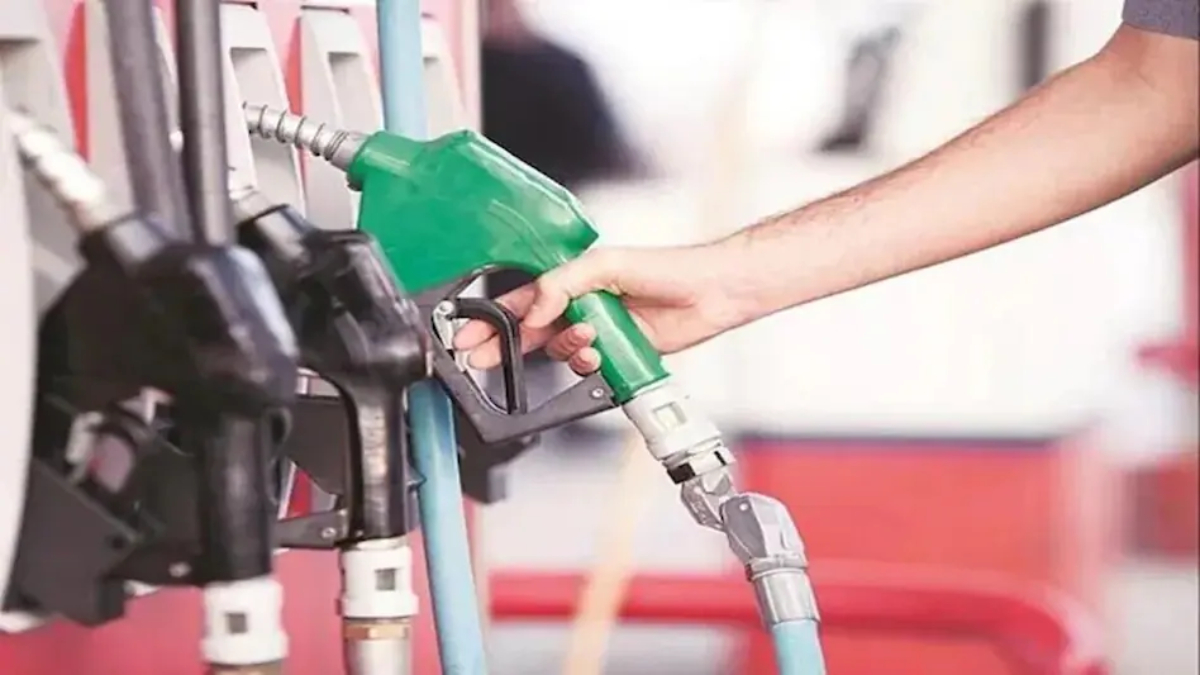
New Delhi, April 3, 2026: Fuel prices across India remained largely stable on Friday, April 3, 2026, despite a backdrop of significant global market volatility. While retail prices at the pump saw only marginal fluctuations in specific regions, the underlying international energy landscape remains under immense pressure due to the ongoing geopolitical crisis in West Asia.
Current Fuel Rates in Major Cities
As of the 6:00 AM update provided by Oil Marketing Companies (OMCs), the retail prices for petrol and diesel in key Indian metros are as follows:
| City | Petrol (per litre) | Diesel (per litre) |
|---|---|---|
| New Delhi | ₹94.77 | ₹87.67 |
| Mumbai | ₹103.54 | ₹90.03 |
| Kolkata | ₹105.41 | ₹92.02 |
| Chennai | ₹101.23 | ₹92.81 |
| Bengaluru | ₹102.96 | ₹90.99 |
| Hyderabad | ₹107.50 | ₹95.70 |
In the national capital, prices have held steady, while Mumbai continues to record some of the highest rates among metros. Chennai saw a minor uptick of approximately ₹0.43, reflecting localized adjustments in Value Added Tax (VAT) or freight charges.+1
The West Asia Crisis and Global Crude Surge
The primary driver of concern for the energy sector is the escalating conflict in West Asia, which has significantly disrupted global supply chains. Earlier this week, Brent crude—the international benchmark—surged past the $105–$109 per barrel mark.+1
The volatility is primarily attributed to:
- Shipping Disruptions: Continued instability in the Strait of Hormuz, a vital artery for nearly 20% of the world’s seaborne oil, has led to “force majeure” declarations and supply shortages.
- Production Cuts: Reports indicate a collective drop in production from major oil-exporting nations in the region, keeping the global energy supply exceptionally tight.
- Infrastructure Impact: Recent military escalations have targeted energy facilities, leading to fears of long-term recovery periods and sustained high prices.
While domestic petrol and diesel prices in India have not yet mirrored the full extent of the global crude spike—partly due to government interventions and strategic reserves—related sectors are already feeling the heat. Aviation Turbine Fuel (ATF) prices recently crossed the ₹2 lakh per kilolitre mark, a historic high that is expected to drive up airline ticket costs.
Why Do Prices Differ Across India?
Even when global prices remain steady, consumers in different Indian cities pay different amounts at the pump. This disparity is caused by:
- State-Level Taxes (VAT): Every state government levies a different percentage of Value Added Tax on fuel.
- Freight Charges: The cost of transporting fuel from refineries to retail outlets varies based on the distance.
- Dealer Commissions: These are adjusted periodically and contribute to the final retail price.
Outlook for the Coming Weeks
Market analysts suggest that if the West Asia crisis remains unresolved, the pressure on the Indian Rupee and the widening trade deficit could eventually force OMCs to revise retail rates upward. For now, the stability provides a temporary reprieve for commuters, but the situation remains highly sensitive to any further developments in the Middle East.