

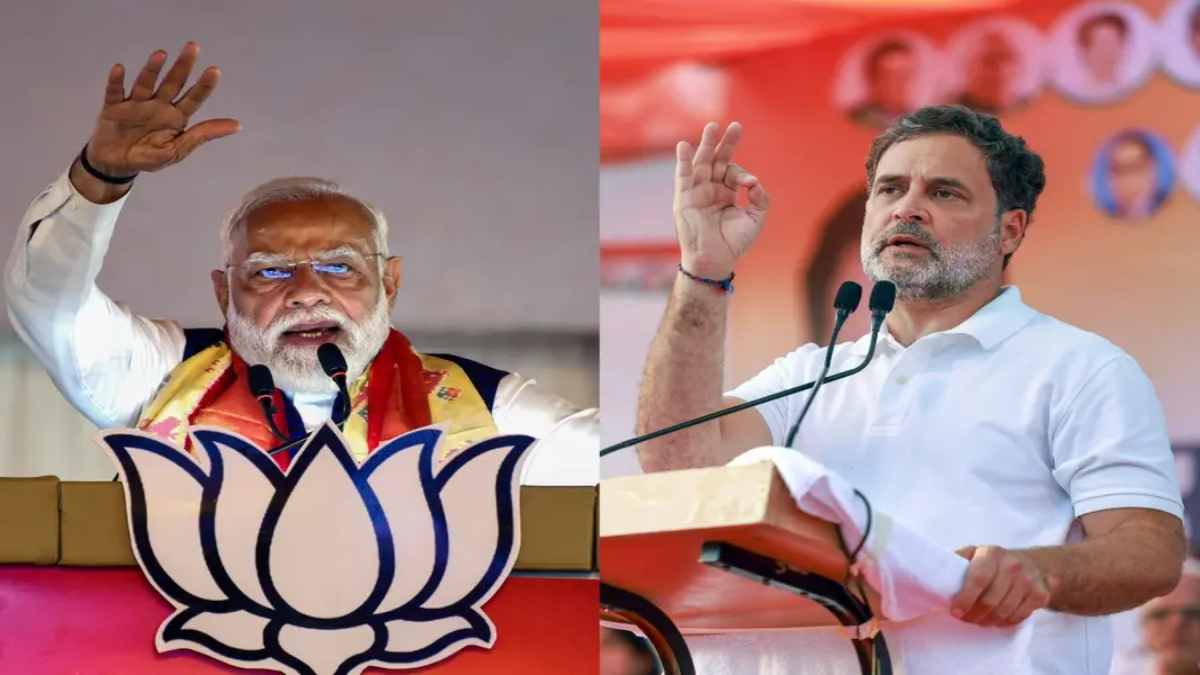
New Delhi, May 11, 2026: In a sharp escalation of the ongoing political discourse regarding India’s economic health, Congress leader Rahul Gandhi has launched a scathing attack on Prime Minister Narendra Modi. The critique follows the Prime Minister’s recent appeal to citizens to refrain from purchasing gold for a year and to adopt Work-From-Home (WFH) models where possible to reduce pressure on national infrastructure and imports.
Gandhi characterized these suggestions not as visionary leadership, but as “distressing proof” of the government’s failure to manage the national economy, curb inflation, and generate meaningful employment.
The Controversy: What Prompted the Spark?
The friction began following a public address by Prime Minister Modi, where he urged the nation to consider two specific lifestyle changes for the “greater national interest”:
- The Gold Moratorium: PM Modi appealed to Indian households—traditionally the world’s largest consumers of gold—to pause gold purchases for one year. The logic presented was to reduce the massive import bill and strengthen the Indian Rupee against the Dollar.
- The WFH Push: To combat rising fuel costs and urban congestion, the PM suggested that businesses and employees should return to Work-From-Home protocols where feasible, citing environmental benefits and reduced energy consumption.
While the government frames these as “patriotic sacrifices” to stabilize the economy, the opposition sees them as a desperate attempt to shift the burden of governance onto the common man.
“Economic Mismanagement”: Rahul Gandhi’s Rebuttal
Taking to social media and addressing a press gathering, Rahul Gandhi argued that these appeals are a “white flag” of surrender. He outlined several key reasons why these suggestions are problematic for the average Indian citizen:
1. Gold as the Poor Man’s Insurance
In India, gold is more than just jewelry; it is a primary form of savings and a safety net for the middle and lower-income classes. Gandhi pointed out that by asking people not to buy gold, the government is essentially telling them to stop securing their futures because the state has failed to provide a stable currency or lucrative formal investment options.
2. The Failure of ‘Make in India’
Gandhi questioned why, after a decade of “Make in India” slogans, the country is still so vulnerable to import pressures that the Prime Minister must ask citizens to stop buying a commodity. He argued that if the manufacturing sector were truly robust, the trade deficit wouldn’t be a reason to restrict the personal choices of 1.4 billion people.
3. The WFH Paradox
Regarding the Work-From-Home appeal, Gandhi noted the irony. While the government promotes WFH to save fuel, the opposition argues that fuel prices are high due to excessive central taxes. “First, you make petrol and diesel unaffordable, and then you tell people to stay at home because they can’t afford to travel,” Gandhi remarked.
The Broader Economic Context
The exchange comes at a time when India is navigating a complex post-pandemic economic landscape. While the GDP shows growth on paper, several underlying issues remain points of contention:
- Inflation: The cost of essential goods, from vegetables to cooking gas, has remained a persistent challenge for the common household.
- Unemployment: Despite various schemes, youth unemployment remains high, leading to a sense of restlessness among the demographic that most heavily supported the current administration in previous elections.
- The Rupee’s Value: The Indian Rupee has faced significant volatility against the US Dollar, making imports—especially oil and electronics—far more expensive.
| Economic Pressure Point | Government Stance | Opposition Critique |
| Gold Imports | Necessary to curb to save Forex. | Sign of a weak currency and failed trade policy. |
| Energy Costs | Global factors and “green transition.” | Result of high excise duties and mismanagement. |
| WFH Culture | Modern, efficient, and eco-friendly. | A cover-up for failing public transport and high fuel costs. |
Market Reactions and Public Sentiment
The Prime Minister’s appeal has sent ripples through the bullion market. Jewelry associations expressed concern that a “no gold” year could devastate the livelihoods of millions of artisans and small business owners who depend on the wedding season and festive demand.
On the other hand, the tech and corporate sectors remain divided on the WFH appeal. While many employees enjoy the flexibility, small businesses located in commercial hubs—such as cafes, local transport providers, and maintenance staff—fear a massive drop in revenue if offices remain empty once again.
The Political Fallout
With several state elections on the horizon, this “Gold and WFH” debate is likely to become a central campaign theme. The Congress party and other opposition groups are positioning themselves as the defenders of the “Common Man’s Purse,” while the BJP continues to emphasize “National Interest” and long-term economic discipline.
Rahul Gandhi’s strategy appears to be focused on connecting macroeconomic failures to the daily struggles of the household. By highlighting the cultural and financial significance of gold, he is tapping into a deeply personal sentiment shared by millions of Indian families.
Conclusion
Whether PM Modi’s appeal will be heeded by the public remains to be seen. Historically, Indian consumers have prioritized gold during times of uncertainty. However, the political battle lines are now clearly drawn.
As the government asks for “patience and sacrifice,” the opposition is demanding “accountability and results.” This clash isn’t just about gold or remote work; it’s a fundamental debate about who should bear the cost of economic stability in a developing nation.
For the average citizen, the hope remains that regardless of the political sparring, the end result is an economy that offers both security and the freedom to grow.