
 Monetary Policy Committee (MPC) has commenced its first meeting for the 2026-27 fiscal year against)
New Delhi, April 6, 2026: The Reserve Bank of India’s (RBI) Monetary Policy Committee (MPC) has commenced its first meeting for the 2026-27 fiscal year against a volatile global backdrop. While domestic growth remains resilient, the “shadow of global conflict”—specifically escalating tensions in West Asia and disruptions in the Strait of Hormuz—has forced a shift in the central bank’s narrative from cautious optimism to a “wait-and-watch” defensive.
As the three-day deliberations conclude on April 8, 2026, here is an in-depth look at what this policy means for your home loans, savings, and the broader cost of living.
1. The Repo Rate: A Strategic Pause
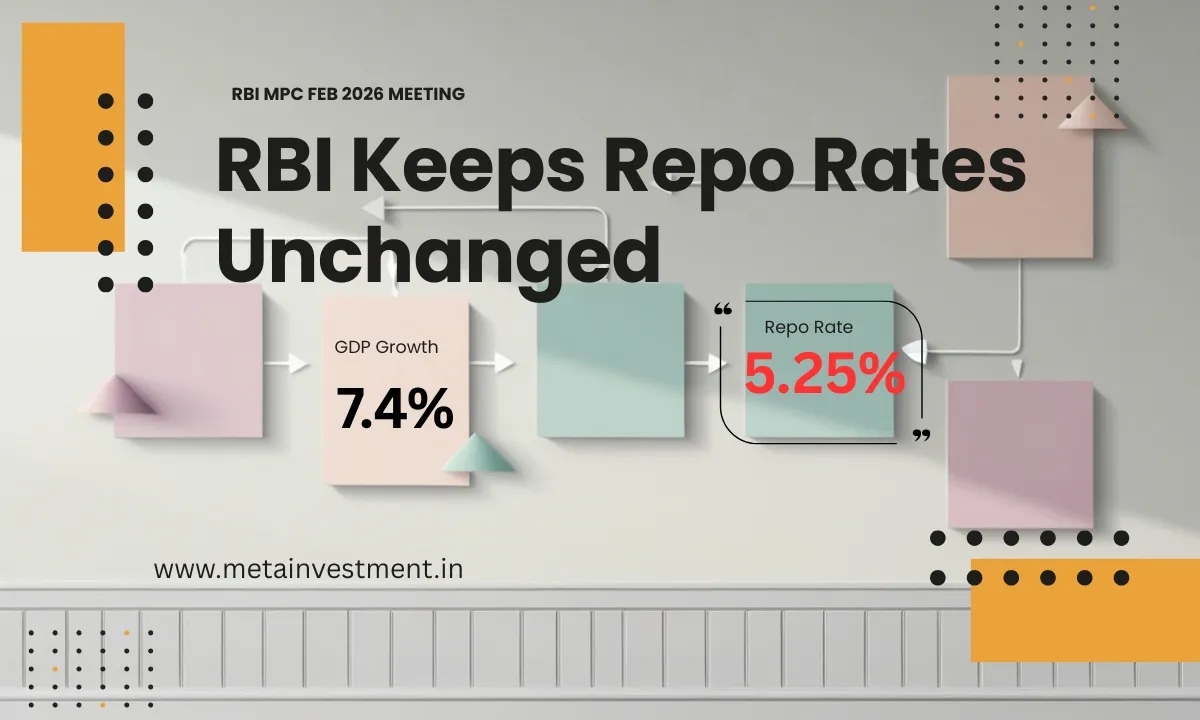
Most economists expect the MPC, led by Governor Sanjay Malhotra, to maintain the benchmark repo rate at 5.25%.
After a series of rate cuts throughout 2025 that brought the rate down from higher levels, the RBI has hit a plateau. The current global instability, characterized by Brent crude prices surging past $100 per barrel, has eliminated the immediate possibility of further rate cuts. For the consumer, this means the era of falling interest rates has likely paused.
2. Impact on Your Home Loans and EMIs
If you are a borrower with a floating-rate home loan, the “status quo” is a double-edged sword:
- No Immediate Hike: The good news is that your EMIs are unlikely to jump significantly in the immediate wake of this meeting. Banks typically align their lending rates (MCLR or EBLR) with the repo rate.
- The “Wait” for Relief: Conversely, those hoping for another round of rate cuts to reduce their interest burden will have to wait longer. With “imported inflation” becoming a real threat due to high oil prices, the RBI is prioritizing price stability over cheaper credit.
3. The “Oil Shock” and Your Monthly Budget
The biggest concern for the MPC this time isn’t just domestic food prices, but the Strait of Hormuz risk. As a major importer of energy, India is sensitive to global oil spikes.
- Fuel and Transport: If crude stays above $100, petrol and diesel prices at the pump could face upward pressure, leading to higher transport costs for essential goods.
- Inflation Outlook: While retail inflation was recently manageable at around 3.2%, experts warn it could climb back toward the 4.5%–5.0% range as the cost of imports rises. This means your grocery bill and daily commute could get more expensive in the coming months.
4. Fixed Deposits and Savings
For savers and senior citizens, the news is relatively positive. Since the RBI is unlikely to cut rates in a high-inflation environment:
- FD Rates to Stay Firm: Banks are expected to keep Fixed Deposit (FD) rates attractive to attract liquidity. If you were planning to lock in a long-term FD, the current window remains favorable as rates are not expected to drop anytime soon.
- Yields on the Rise: The 10-year Government Bond (G-Sec) yields have already crossed the 7% mark, suggesting that the market expects “higher for longer” interest rates.
5. The Rupee and Your International Spends
The global conflict has pushed the Indian Rupee to fluctuate between 93 and 95 against the US Dollar.
- Travel and Education: If you have children studying abroad or are planning a foreign vacation, your costs have likely increased by 3-5% compared to last year due to currency depreciation.
- Tech and Electronics: Since many components for smartphones and laptops are imported, a weaker rupee combined with supply chain disruptions could lead to a price hike in consumer electronics.
Summary Table: April 2026 Policy Expectations
| Metric | Current Status | Impact on You |
| Repo Rate | 5.25% (Expected Hold) | EMIs remain stable; no immediate relief. |
| Crude Oil | Over $100/barrel | Potential rise in fuel and transport costs. |
| Inflation (CPI) | Trending toward 4.5%+ | Higher cost of living; pressure on savings. |
| Rupee vs USD | 93–95 Range | International travel and imports get costlier. |
| Fixed Deposits | High Stability | Good time to lock in returns for savers. |
The Bottom Line
The RBI is currently walking a tightrope. It must support India’s 7% GDP growth while fending off the inflationary “heat” blowing in from global war zones. For the average citizen, the message from this MPC meeting is clear: Prepare for a period of stability in interest rates, but keep a close eye on rising costs of fuel and imported goods. In an era of global uncertainty, the central bank’s priority is no longer about making money cheaper—it’s about making sure your money retains its value.