

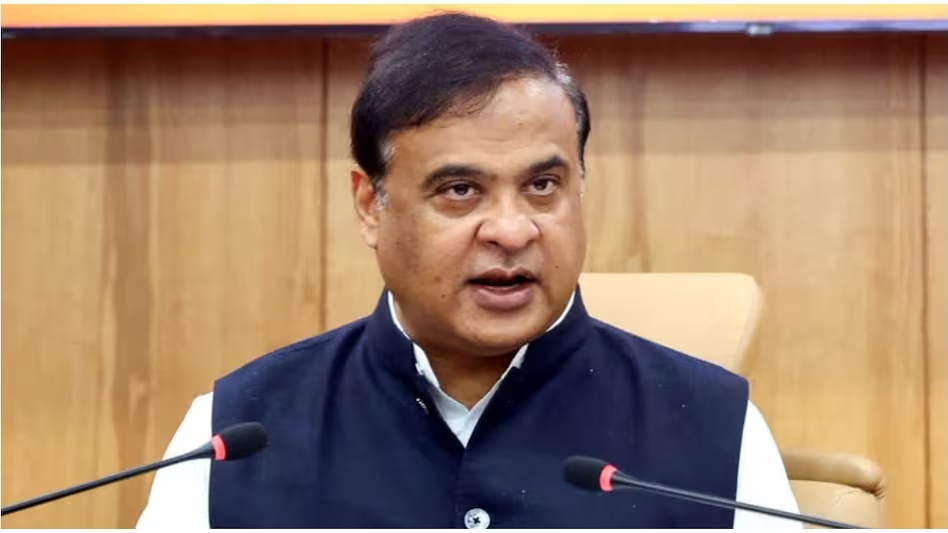
New Delhi, February 10, 2026: A major shift in the political and legal landscape has been observed following the decision by the Supreme Court to hear a petition involving a controversial viral video of Assam Chief Minister Himanta Biswa Sarma. It is noted that the bench, led by senior justices, agreed to examine the matter on February 10, 2026, after a plea was filed seeking an investigation into the contents of the clip. This move by the apex court has been widely shared as a primary example of judicial intervention in high-profile cases involving top constitutional functionaries.
The Mechanics of the Legal Challenge
The specifics of the petition and the nature of the allegations are being meticulously discussed by legal scholars and political analysts. It is observed in the court filings that the viral video, which surfaced recently, is alleged to contain remarks or actions that require thorough judicial review. It is reported by several digital observers that the petitioner has raised concerns regarding the potential impact of such content on public order and constitutional decorum. The visual evidence presented in the digital sphere has provided a grounding narrative for the court’s decision to move forward with a formal hearing.
Also Read: Ingenious ‘Desi Jugad’ to Clean Heavily Burnt Tawa
Political and Social Implications
A massive conversation regarding the accountability of public figures and the authenticity of digital evidence has been ignited by this interaction between the judiciary and the executive. It is noted that the news was met with an outpouring of mixed reactions, with many netizens remarking that “no individual, regardless of their position, is above the law.” The Chief Minister is being widely discussed as he prepares a legal defense to address the claims made in the viral footage. Thousands of comments have been left by users who expressed their belief that such cases serve as a stark reminder of the power held by the judiciary in a democratic setup.
Impact on Future Digital Jurisprudence
The impact of this Supreme Court decision has extended beyond the state of Assam to influence a broader discussion on how “viral evidence” is handled by higher courts. It is frequently mentioned by legal experts that this case may set a precedent for the admissibility of social media content in proceedings against high-ranking officials. A renewed sense of urgency is being observed in the debate over deepfakes and digital manipulation, as the court is expected to verify the technical integrity of the video in question. It is believed that the viral nature of this specific “Sarma Video Case” will prompt a dialogue on the necessity of faster legal responses to digital controversies.
A Stark Reminder of Institutional Checks
As the formal hearing is scheduled to unfold in the coming weeks of February 2026, it serves as a powerful and resilient reminder of the system of checks and balances within the country. It is believed that the “Himanta Biswa Sarma Legal Twist” story will remain a primary highlight of the year’s most discussed and politically sensitive news features. The legacy of this viral event is expected to be a heightened public awareness of the legal consequences that can follow digital content. Until the final verdict is pronounced by the apex court, this case remains a stark testament to the fact that the highest court of the land remains the ultimate arbiter of truth and justice.