

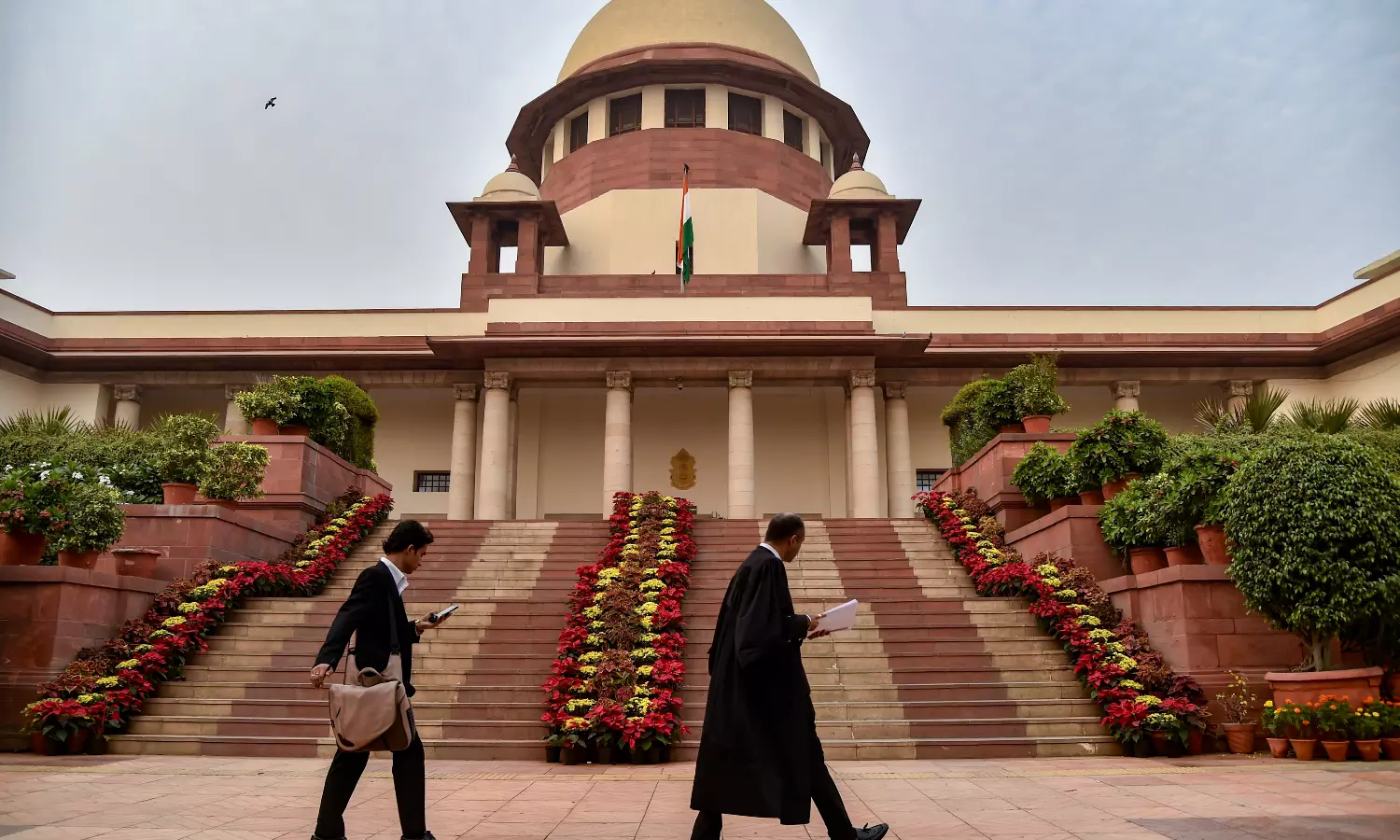
New Delhi, February 10, 2026: A major development in the Indian judicial sphere has been observed as the Supreme Court of India agreed to review a plea filed against Assam Chief Minister Himanta Biswa Sarma. It is noted that the petition, which was brought before the bench on February 10, 2026, centers around a controversial viral video that has circulated widely across social media platforms. The legal challenge is being viewed as a critical moment in defining the boundaries of public discourse for high-ranking constitutional officials.
The Nature of the Legal Challenge
The specifics of the allegations and the context of the viral clip are being meticulously discussed by legal experts and political observers alike. It is observed in the plea that the contents of the video are alleged to have the potential to disrupt communal harmony or violate established codes of conduct for public servants. It is reported by several digital observers that the petitioner has requested a thorough investigation into the authenticity of the footage and the subsequent impact of the remarks made therein. The visual evidence has provided a grounding narrative for the court’s decision to grant a formal hearing to the aggrieved parties.
Also Read: Surekha Vani to Wed Again? Daughter Supritha Takes the Lead as Matchmaker
Social and Political Implications of the Review
A massive conversation regarding the accountability of political leaders in the digital age has been ignited by this judicial intervention. It is noted that the announcement was met with an outpouring of public interest, with many netizens remarking that “the highest court remains the guardian of constitutional values.” The Chief Minister is being widely discussed as legal teams prepare to address the assertions made in the video, with the case expected to test the intersection of free speech and administrative responsibility. Thousands of social media posts have been shared by citizens who believe that such scrutiny is essential for maintaining the integrity of public office.
Impact on Digital Evidence and Jurisprudence
The impact of this Supreme Court review has extended beyond the immediate parties to influence a broader discussion on the admissibility of viral social media content in the judiciary. It is frequently mentioned by legal commentators that this case could lead to new guidelines on how digital “evidence” is verified before being used in litigation against public figures. A renewed sense of urgency is being observed in the fight against misinformation, as the court is expected to utilize forensic experts to confirm whether the video was manipulated or presented out of context. It is believed that the viral nature of this specific “Sarma Case” will prompt a dialogue on the necessity of legislative reforms regarding digital accountability.
A Stark Reminder of Institutional Checks and Balances
As the judicial proceedings are scheduled to unfold in the coming months of 2026, it serves as a powerful and resilient reminder of the robustness of India’s democratic institutions. It is believed that the “Assam CM Video Review” story will remain a primary highlight of the year’s most discussed and legally significant news features. The legacy of this viral event is expected to be a heightened public awareness of the legal consequences of statements made in the public eye. Until the final verdict is pronounced by the apex court, this case remains a stark testament to the fact that every action in the digital era is subject to the scrutiny of the law.