

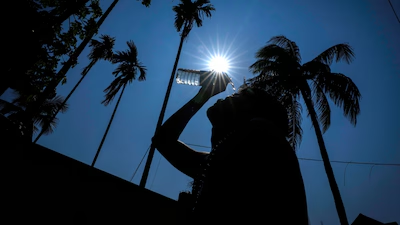
New Delhi, April 15, 2026: A relatable struggle has been captured in a viral video by a Bengaluru resident, highlighting the unprecedented heatwave currently gripping the city. In the footage, which has been shared extensively across social media platforms, the woman is heard exclaiming, “What is this heat, bruh?” as she navigates the sweltering streets. This candid reaction has struck a chord with thousands of locals who are accustomed to the city’s historically temperate and pleasant climate.
The video serves as a digital diary of the drastic climatic shift observed in the Karnataka capital during the early months of 2026. It is noted that the traditional “air-conditioned city” reputation of Bengaluru is being challenged by record-breaking mercury levels. The clip has sparked a wider conversation about the intensifying urban heat island effect and the rapid loss of green cover that once defined the metropolitan landscape.
The Collective Struggle of a Melting Metropolis
The sentiment expressed in the viral post has been echoed by residents from all walks of life. It is observed that the demand for cooling appliances and chilled beverages has reached an all-time high within the city limits. The video depicts the woman visibly exhausted by the sun, a sight that has become increasingly common among commuters and office-goers. It is argued by many netizens that the “Bengaluru weather,” once a primary draw for migrants, is now a source of daily discomfort.
Public health advisories are being issued by local authorities to mitigate the effects of the rising temperatures. It is recommended that citizens remain hydrated and avoid outdoor activities during peak afternoon hours. The viral video has been utilized by environmental activists to emphasize the urgent need for sustainable urban planning and the restoration of the city’s famous lakes and parks, which are essential for natural temperature regulation.
Also Read: The Daring Drone Rescue of War-Torn Pets
A Digital Mirror of Environmental Change
The fascination surrounding the video is a testament to the changing environmental reality of 2026. Data provided by meteorological departments suggests that the current temperatures are significantly higher than the decadal average for this period. As the footage continues to be circulated, the focus has shifted toward the long-term implications of such weather patterns on the city’s infrastructure and lifestyle.
Ultimately, the woman’s viral query has become a rallying cry for a city in search of shade. While the humor in her delivery has provided a brief respite for viewers, the underlying message regarding climate change remains sobering. It is concluded that unless significant ecological interventions are made, the “bruh, it’s hot” narrative may become a permanent fixture of the Bengaluru experience.