

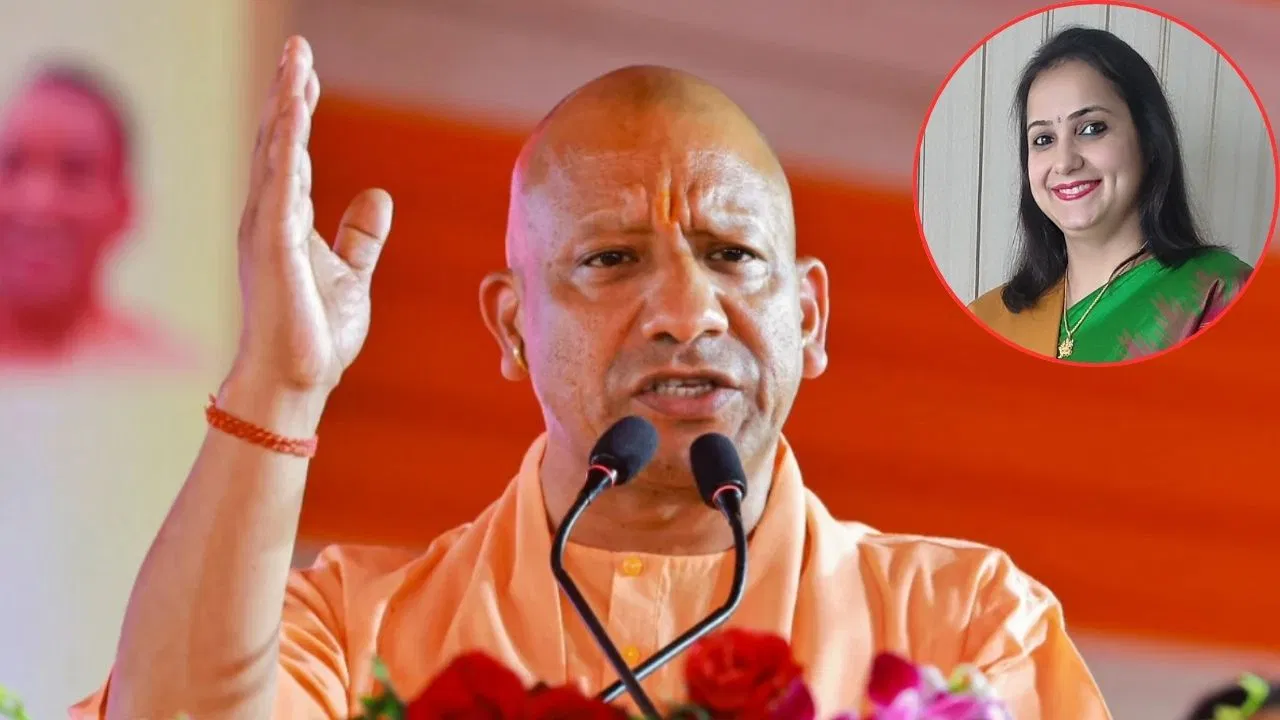
New Delhi, June 5, 2026: In 2017, when the head priest of the Gorakhnath Math was unexpectedly chosen to lead India’s most populous and politically volatile state, the nation watched with a mix of intense curiosity and skepticism. Critics questioned whether a hardline monk wrapped in saffron robes could navigate the complex machinery of a state plagued by decades of industrial stagnation, crumbling infrastructure, and deep-seated law-and-order issues. Shortly after taking office, in a definitive interview with India Today, Yogi Adityanath answered his critics with a statement that would define his entire political trajectory: “My name, clothes, and ideology remain the same.”
Years later, that declaration has evolved from a defensive stance into the very foundation of his governance. Far from moderating his identity to fit the traditional mold of a bureaucratic chief minister, Adityanath leaned directly into it. By marrying his uncompromising Hindutva ideology with a relentless focus on law enforcement, infrastructure, and technological governance, he has completely altered the political and physical landscape of Uttar Pradesh (UP).
The Saffron Identity as a Shield and a Brand
When Adityanath first walked into the Chief Minister’s office in Lucknow, political analysts assumed he would eventually tone down his fiery, monk-statesman persona. Instead, his traditional saffron attire became the ultimate symbol of authority in northern India. In his worldview, being a yogi does not contradict running a massive state administration; rather, he views public welfare as an extension of his spiritual duties.
This unyielding identity has served as a powerful shield against political compromise. Because he does not have a biological family or dynasty to build—a sharp departure from the caste-and-kinship-driven politics that ruled UP for decades—he successfully branded himself as a fiercely independent leader whose sole allegiance is to his ideology and the state. This “nothing to lose, nothing to hide” image has resonated deeply with a massive voter base, transforming him from a regional powerhouse in Gorakhpur into one of the most popular and polarizing figures in contemporary Indian politics.
Breaking the Status Quo: The Policy of “Zero Tolerance”
The most drastic change in Uttar Pradesh under Adityanath’s tenure has been the approach to law and order. In 2017, the state was notorious for political patronage of local mafia dons, systemic extortion, and a paralyzed police force. Adityanath’s government dismantled this ecosystem through a controversial, heavy-handed “zero tolerance” policy.
The administration empowered local law enforcement to aggressively pursue organized crime. This shift led to the widespread use of armed encounters and a unique punitive measure that earned the Chief Minister the media moniker “Bulldozer Baba”—the demolition of illegal properties belonging to accused gangsters and rioters. While human rights groups and political opponents frequently voice deep concerns over due process and the potential misuse of state machinery, the domestic political dividend has been immense. For large swathes of the UP electorate, the visible crackdown on historically untouchable criminals created an unprecedented sense of daily public security and safety.
The Expressway State: From “Bimaru” to Industrial Hub
Beyond the headlines of law and order, Adityanath realized that long-term political survival required economic results. For decades, UP was lumped into the derogatory “BIMARU” category—an acronym used to describe North Indian states with sluggish economic growth, poor healthcare, and low literacy.
To break this cycle, the administration launched a massive infrastructure blitz. By prioritizing connectivity, the state built an intricate network of high-speed arteries, including the Purvanchal Expressway, the Bundelkhand Expressway, and the massive Ganga Expressway project designed to seamlessly bridge the state’s eastern and western corners.
This infrastructure network, combined with a streamlined, digital single-window clearance system for businesses, successfully attracted major domestic and international manufacturing units—ranging from massive mobile phone assembly plants to heavy defense manufacturing corridors.
Ideology in Action: The Cultural Renaissance
While infrastructure and police reforms fueled the state’s economy, Adityanath’s core ideology remained the undisputed engine of his political narrative. He has consistently demonstrated that economic development does not require a retreat from cultural nationalism; instead, his administration treats them as two sides of the same coin.
The most prominent manifestation of this ideology was the completion and grand opening of the Ram Mandir in Ayodhya. For Adityanath, who left home at age 21 to join the Ram Mandir movement, the temple’s realization was both a personal milestone and a profound political victory. His government rapidly transformed Ayodhya from a neglected, sleepy town into a world-class spiritual tourism hub complete with an international airport, luxury hotels, and modern civic infrastructure. By turning ancient heritage sites like Varanasi, Mathura, and Ayodhya into major economic drivers, he successfully proved to his base that his original saffron ideology could directly generate modern jobs, local business revenues, and national pride.
A Lasting Blueprint for Governance
When looking back at the arch of his tenure, Yogi Adityanath did not change his convictions to fit the office of Chief Minister; rather, he forced the office to adapt to him. By remaining exactly who he said he was in 2017—unwavering in name, dress, and belief—he created a highly distinct model of leadership. It is a potent mix of uncompromising cultural pride, aggressive law enforcement, and large-scale industrial ambition. While this heavy-handed style of governance remains a subject of intense national debate, one reality is completely undeniable: the monk in saffron robes has fundamentally shattered the old political playbook and permanently rewritten the future of Uttar Pradesh.