

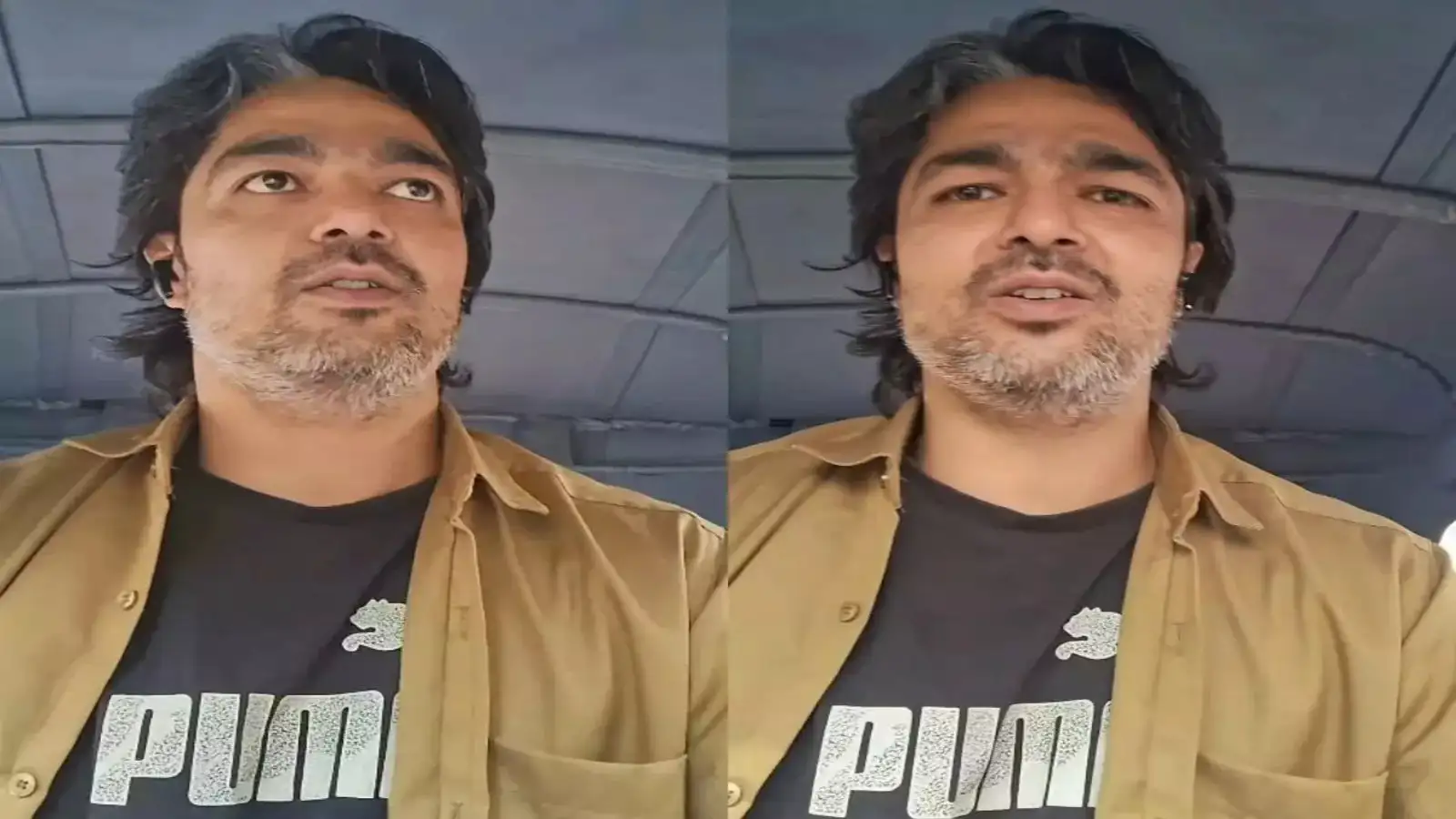
New Delhi, December 5, 2025: A recent viral video featuring a Bengaluru man, Rakesh, who chose to abandon his high-pressure corporate job to become an auto-rickshaw driver, has resonated deeply with the online community. His candid message about prioritizing mental peace over monetary gain and overcoming the fear of starting over was widely shared, sparking a significant conversation about professional fulfillment and societal expectations in the city’s highly competitive environment.
The Corporate Shift Is Announced
The video clip, widely circulated on Instagram under the handle ‘Rakesh Auto Driver,’ captured Rakesh speaking directly to the camera while sitting in his auto-rickshaw. His core message was a rejection of the “corporate slave” label and an embrace of the autonomy offered by driving an auto. He openly admitted that at one point, he had felt completely lost and had even contemplated giving up on life due to stress and lack of purpose.
His decision to share his vulnerable yet defiant journey—trading a desk job for the driver’s seat—was immediately praised for its honesty. The footage positioned his career shift not as a failure, but as a courageous step towards self-recovery and redefining success on his own terms.
Also Read: The Truth Behind the Viral Tata Sierra Drop Video
Lessons on Money and Meaning Are Shared
The heart of the video was focused on the life lessons Rakesh had gained from the dramatic career change. He stressed that a new perspective had been achieved once he stepped away from societal pressure. He was heard urging viewers who felt trapped to recognize that life will not defeat them and that starting anew should not be feared.
Crucially, his reflections on finance were frequently cited: he acknowledged that money is a necessity, but it is not the only necessity. He strongly encouraged others to find value beyond their paychecks and to prioritize finding their true purpose in life. This message of self-worth over financial status struck a powerful chord with many viewers, particularly those who are experiencing burnout in the corporate sector.
Public Appreciation for Resilience Is Expressed
The viral success of the video was driven by a wave of public appreciation for Rakesh’s resilience and his willingness to defy social stigma. Thousands of comments were posted, praising the man for his courage to overcome ego and choose dignified work that brought him peace. His story was held up as being “more inspiring than the dance videos” often found on social media.
The narrative successfully highlighted the fact that job titles should not define a person’s worth. The video served as a significant, uplifting message that rebuilding life is possible and that personal well-being is the highest form of success.