

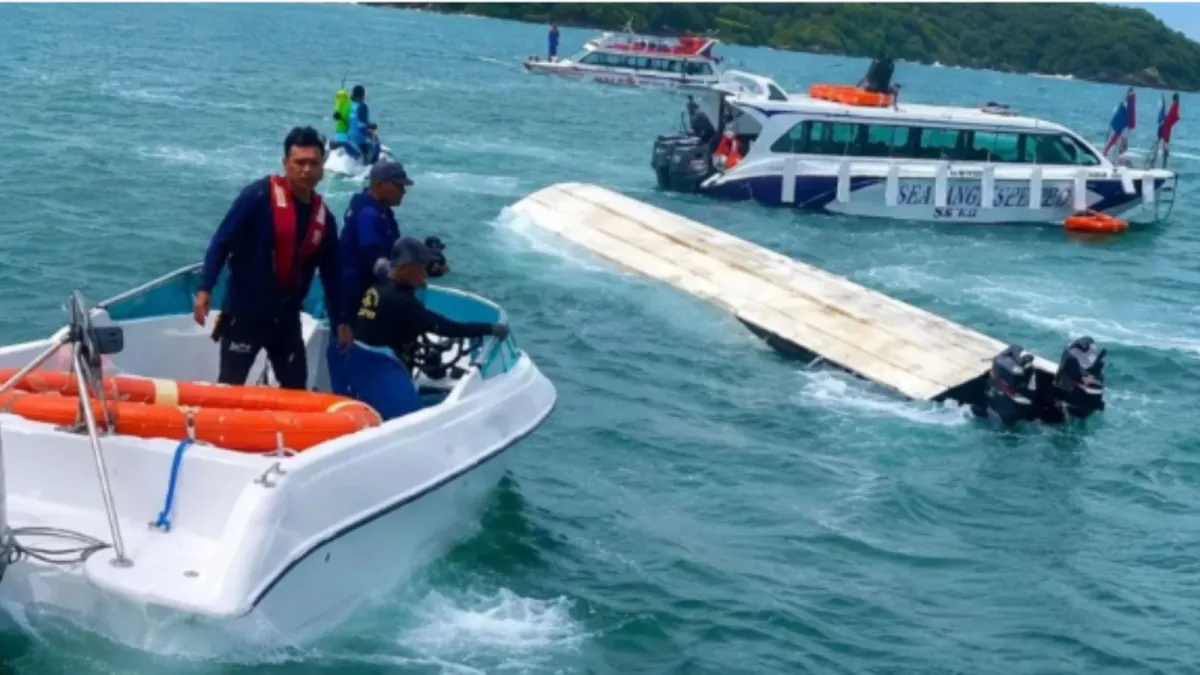
New Delhi, July 13, 2026: The promise of a dream tropical holiday turned into an unimaginable nightmare for dozens of Indian tourists over the weekend. What began as a celebratory corporate reward trip to Vietnam’s picturesque Phu Quoc Island ended in devastation when a tourist speedboat capsized in rough waters, claiming the lives of 15 Indian nationals.
By late Sunday night, July 12, 2026, sixteen traumatized survivors landed at the Rajiv Gandhi International Airport in Hyderabad. Stepping off the aircraft into the tearful embraces of anxious family members who had been waiting for hours, the survivors carried with them the physical and emotional scars of a tragedy that unfolded in a matter of seconds. For these families, the relief of homecoming was heavily weighed down by the harrowing memories of the sea and the sudden loss of their colleagues and friends.
From Celebration to Catastrophe
The ill-fated voyage was part of an incentive holiday organized by the Indian mobile manufacturing firm Lava International for its network of cell phone distributors and channel partners. A total of 105 people traveled from India to Vietnam for the getaway. On Saturday, July 11, the group was divided into three separate speedboats to embark on a popular island-hopping excursion around Phu Quoc, an area widely celebrated for its white-sand beaches and pristine coral reefs.
The tragedy struck around 2:30 PM local time as the first speedboat, operated by the Ocean Pearl Island Company, was ferrying passengers from Hon May Rut back to An Thoi Port. Onboard were 36 people—32 Indian tourists and four local Vietnamese crew members.
According to eyewitnesses and survivors, the vessel had barely cleared 400 meters from the shoreline of Hon May Rut Ngoai when the weather shifted aggressively. A sudden, powerful wave slammed into the side of the speeding boat, causing it to lose control and violently flip over in the rough, churning sea. Within moments, all 36 occupants were thrown into the deep water, with several passengers instantly trapped beneath the hull of the overturned vessel.
Survivors Recall the Horror: “We Tried CPR, But It Was Too Late”
For those who made it back to Indian soil, the memory of the capsize remains terrifyingly vivid. The shock of being submerged in rough waters sparked immediate chaos as passengers fought to stay afloat and cried out for help.
“The boat had not even gone half a kilometre when it tipped over,” recalled Ashish Kumar, one of the rescued tourists, describing the frantic moments immediately following the flip. “We screamed, ‘Help! Help!’ We tried to grab onto anything floating.” Fortunately, nearby tourist vessels heard the screams and rushed toward the site of the capsize. Border guards, the local coast guard, and emergency responders deployed rescue teams rapidly, pulling 21 conscious and unconscious individuals out of the water by late afternoon.
However, the scene on the shore quickly turned grim as the scale of the tragedy became apparent. Mahipal Sanghvi, another traveler from the group who witnessed the rescue efforts from the beach, shared the agonizing attempts made by fellow tourists to save their friends. “Rescue teams brought those who had fallen into the water back to the shore. We tried administering CPR to them, but it was too late, and they were declared dead,” Sanghvi recounted, his voice heavy with emotion upon landing in Hyderabad.
Survivors also noted a distressing lack of immediate, advanced emergency medical infrastructure on the isolated island shore, leaving them to desperately attempt resuscitation methods themselves while waiting for formal medical transport to arrive.
The Human Toll and Repatriation Efforts
Out of the 36 people on board, 21 were rescued, including 17 tourists and all four local crew members. Tragically, 15 Indian tourists—including two women—could not be revived. The victims were drawn from various parts of Southern India: 10 from Tamil Nadu, three from Andhra Pradesh, and two from Kerala. For many families back home, the news has shattered entire households, as several of the deceased were the sole breadwinners for their families.
Following intense medical checks at a local government hospital in Phu Quoc, 15 of the rescued tourists were discharged on Sunday and cleared for travel. A sixteenth survivor, who had initially been admitted into critical care, showed a steady recovery and was allowed to join the flight back home. As of Monday, July 13, only one Indian national, identified as Gelle Kishore, remains hospitalized in Vietnam under close medical supervision, where he is reported to be recovering steadily.
The Indian Embassy in Hanoi and the Consulate General in Ho Chi Minh City immediately established emergency control rooms to assist frantic relatives in India. Working closely with local Vietnamese authorities, Indian diplomats finalized arrangements with an authorized repatriation agency. The mortal remains of the 15 victims were transported from Phu Quoc Island to Ho Chi Minh City, with the final repatriation process scheduled to bring the bodies back to their respective hometowns in India by Monday afternoon.
High-Level Reactions and Strict Investigations
The international maritime tragedy triggered immediate responses from leadership in both nations. Prime Minister Narendra Modi expressed profound grief over the loss of lives, extending his deepest condolences to the bereaved families and praying for the swift recovery of the injured. External Affairs Minister Dr. S. Jaishankar echoed these sentiments, noting that he was “deeply distressed” by the unfortunate accident and emphasizing that Indian diplomatic teams would remain on the ground until every survivor was accounted for and assisted.
In Vietnam, Prime Minister Le Minh Hung took immediate administrative action, ordering a comprehensive investigation into the exact cause of the capsize. He directed local maritime authorities to aggressively audit waterway and safety frameworks in the Phu Quoc Special Economic Zone to prevent future disasters.
As the families in Tamil Nadu, Andhra Pradesh, and Kerala prepare for the final rites of their loved ones, the returning survivors face a long journey of emotional recovery. A holiday meant to celebrate success and camaraderie has instead left a community mourning, serving as a stark reminder of how quickly paradise can turn to peril.