

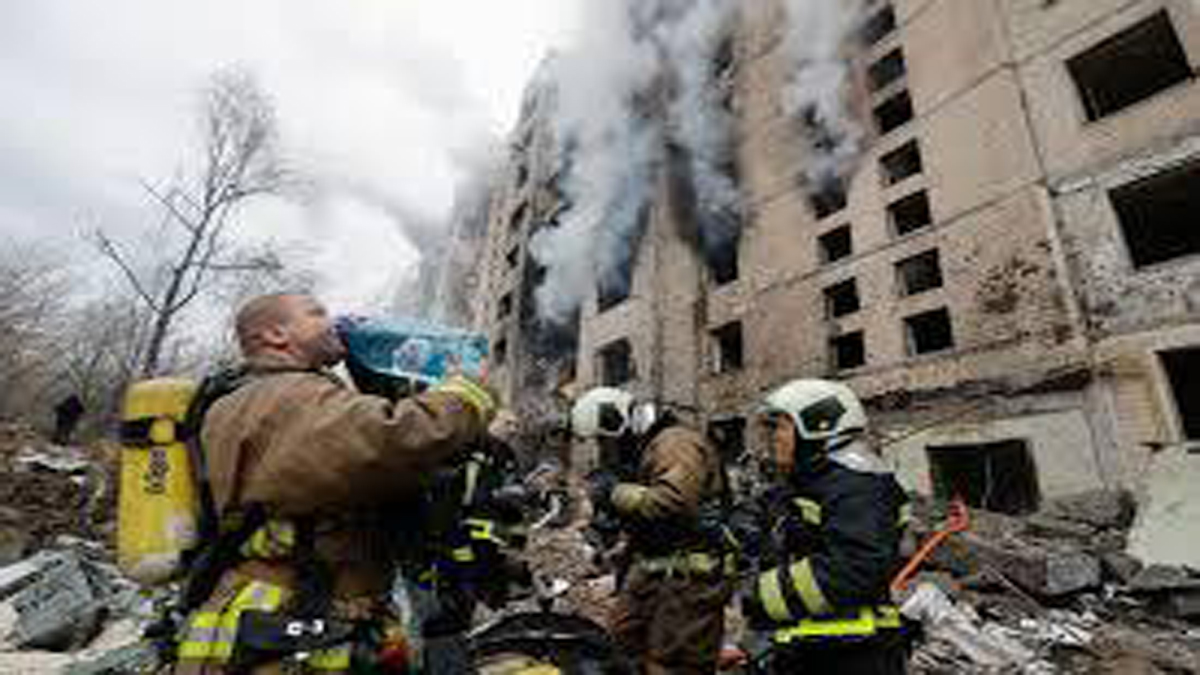
New Delhi, january 10, 2026: As the Russia-Ukraine conflict enters its 1,416th day on January 10, 2026, the theater of war is defined by a significant escalation in long-range strikes and high-stakes diplomatic maneuvering. Moscow has once again deployed its newest missile technology, while Kyiv struggles with a deepening humanitarian crisis caused by the systematic targeting of its energy grid during a brutal winter cold snap.
Here are the key developments from day 1,416 of the war:
1. Russia Deploys Oreshnik Missile in Major Escalation
For the second time in the conflict, Russia launched its new nuclear-capable Oreshnik intermediate-range ballistic missile (IRBM). The strike, originating from the Kapustin Yar testing ground, targeted critical infrastructure in the western Lviv region.
- Significance: Ukrainian and Western analysts suggest the use of such a high-end weapon—capable of speeds exceeding 13,000 km/h—is a “symbolic warning” to NATO rather than a purely tactical necessity.
- Retaliation Claims: The Kremlin stated the launch was a direct response to an alleged Ukrainian drone attack on President Vladimir Putin’s residence in late December, a claim both Kyiv and the CIA have dismissed as fabricated.
2. Humanitarian Crisis: Kyiv in the Dark
A massive overnight barrage of over 240 drones and dozens of missiles has left the Ukrainian capital reeling.
- Heating Crisis: Kyiv Mayor Vitali Klitschko reported that nearly 6,000 apartment buildings—roughly half the city—are without heating as temperatures plummeted to -10°C (14°F).
- Casualties: The death toll from the most recent strikes in Kyiv has risen to four, with at least 25 others injured. Emergency crews are prioritizing hospitals and maternity wards, using mobile boiler units to prevent a total collapse of social services.
- Civilian Displacement: Officials have urged residents who are able to do so to temporarily leave the city for areas with more stable power and heating.
3. Battles on the Ground and Sea
While the air war dominates headlines, the front lines remain active across multiple sectors:
- Zaporizhzhia: Russian forces claimed to have seized five settlements, including Zelenoye, as they attempt to exploit the harsh winter conditions to gain ground.
- Maritime Terror: In the Odesa region, Russian drones struck two foreign-flagged civilian vessels. One Syrian national was killed, and several crew members were injured. These strikes are viewed as a deliberate attempt to sabotage Ukraine’s grain corridor and international food logistics.
- Nuclear Safety: The IAEA has launched urgent consultations to establish a “temporary ceasefire zone” near the Zaporizhzhia Nuclear Power Plant after shelling damaged vital high-voltage power lines.
4. Diplomatic and Military Support
International responses to the latest escalation have been swift:
- UK Troop Readiness: British Defense Secretary John Healey, visiting Kyiv, announced an allocation of £200 million ($270m) to prepare for the possible deployment of UK troops to Ukraine as part of a future multinational peacekeeping force.
- European Condemnation: Leaders from Britain, France, and Germany characterized the use of the Oreshnik missile as “escalatory and unacceptable.”
- UN Action: Ukrainian Foreign Minister Andrii Sybiha has called for an emergency meeting of the UN Security Council and the Ukraine-NATO Council to address the targeting of civilian infrastructure.
Analysis: A Winter of “Strategic Signaling”
The events of day 1,416 underscore a shift in Russian strategy toward “strategic signaling.” By using advanced IRBMs against western targets near the Polish border, Moscow is attempting to deter the West from providing long-term security guarantees to Kyiv. Meanwhile, Ukraine is increasingly positioning its natural resources, such as lithium, as investment incentives for the U.S. to ensure continued support under the current American administration.