

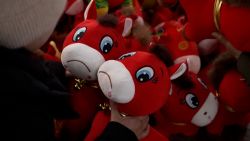
New Delhi, January 27, 2026: A significant wave of fascination has been triggered across Chinese social media platforms following the emergence of a peculiarly designed plush toy. In the footage and images, which gained massive traction in late January 2026, a commemorative “Year of the Horse” mascot is observed with an unexpectedly sorrowful expression. It is noted that instead of the traditional vibrant and energetic designs usually associated with Lunar New Year festivities, this specific horse features drooping eyes and a weary posture. This departure from tradition has been widely shared as a primary symbol of the collective mood of the younger generation.
The Anatomy of a Viral Heartbreak
The specifics of the toy’s design are being meticulously discussed by netizens as the images continue to accumulate millions of views on platforms like Weibo and Douyin. It is observed in the viral posts that the horse’s face appears to reflect a sense of exhaustion and resignation, rather than celebratory joy. It is reported by many users that the “sad” horse perfectly encapsulates the “tang ping” (lying flat) and “bai lan” (let it rot) philosophies that have gained popularity among overworked urban youth. The visual of the melancholy mascot sitting on store shelves has provided a relatable and grounding narrative for those feeling the pressures of a competitive society.
Also Read: Bull Causes Mayhem Inside Supermarket in Viral Video
Social Media Embraces the Gloom
A massive conversation regarding mental health and the pressure of seasonal expectations has been ignited by this interaction. It is noted that the hashtag #SadHorse2026 began trending shortly after the first photos of the toy were posted by a bewildered shopper. The toy is being widely praised for its “honesty,” with many netizens expressing that they feel represented by its defeated look. Thousands of comments have been left by users who stated that a “happy” horse would have felt out of place in a world where everyone is struggling with burnout. The video is being used as a primary case study for how consumer products can inadvertently tap into the zeitgeist of a nation.
The Impact on Consumer Behavior and Marketing
The impact of the “sad” horse has extended beyond simple sympathy to influence a broader shift in marketing trends within China. It is frequently mentioned that the toy has become an overnight bestseller, with stocks being depleted in various retail outlets as people rush to buy the “relatable” mascot. A renewed sense of interest is being observed among toy manufacturers, who are now considering “emotional realism” over forced optimism for future zodiac products. It is believed that the viral nature of this specific horse will encourage brands to create more authentic and emotionally resonant merchandise that acknowledges the complexities of modern life.
A Lasting Symbol of Emotional Authenticity
As the Year of the Horse begins in 2026, this mascot serves as a poignant and resilient reminder that it is acceptable to not be okay, even during the biggest holiday of the year. It is believed that the “Sad Year of the Horse” toy will remain a primary highlight of the year’s most discussed cultural artifacts. The legacy of this viral moment is expected to be a heightened awareness of the importance of acknowledging fatigue and stress in public discourse. Until the next zodiac cycle begins, this toy remains a soft, plush testament to the fact that sometimes, the most popular thing in the room is the one that looks the most tired.