Home Blog Page 209

Nissan Tekton: The New Creta Rival Spotted Testing

0

New Delhi, March 5, 2026: The mid-size SUV segment in India is about to witness a major shake-up as Nissan prepares to unleash its most ambitious project yet: the Nissan Tekton. Recently spotted testing on Indian roads, this upcoming SUV is being hailed as a formidable rival to the segment leader, the Hyundai Creta.

With a design inspired by the legendary Nissan Patrol and underpinnings shared with the next-gen Renault Duster, the Tekton is positioning itself as a premium, rugged alternative for Indian car buyers.

Design: The “Baby Patrol” Aesthetic

The most striking aspect of the Nissan Tekton is its visual presence. Unlike the curvy or futuristic designs of its competitors, Nissan has opted for a “muscular and architectural” approach.

  • Front Fascia: The SUV features a tall, flat bonnet and a massive rectangular grille. A signature full-width LED light bar and C-shaped LED DRLs give it an imposing face, reminiscent of the flagship Nissan Patrol.
  • Side Profile: Spy shots reveal a squared-off silhouette with flared wheel arches and C-pillar-mounted rear door handles—a styling cue it shares with the upcoming Duster.
  • Rear Design: At the back, the Tekton sports connected LED taillamps and a prominent roof spoiler, ensuring it looks as modern as it does rugged.

Interior and Technology

While the test mules remain heavily camouflaged, insider reports suggest the Tekton will skip the utilitarian feel of its siblings in favor of a more premium cabin.

  • Premium Cabin: Expect a three-tone dashboard (possibly blue, black, and copper) with soft-touch materials.
  • Tech Stack: A dual-screen setup is likely, featuring a large 10.1-inch infotainment touchscreen and a fully digital driver’s display.
  • Comfort Features: Top-spec variants are expected to come loaded with a panoramic sunroof, ventilated front seats, dual-zone climate control, and wireless smartphone charging.
  • Safety First: Nissan is expected to equip the Tekton with a Level 2 ADAS suite, a 360-degree camera, and six airbags as standard on higher trims.

Performance: Turbo Power and Hybrid Efficiency

The Nissan Tekton will be built on the heavily localized CMF-B platform. Under the hood, it is expected to offer a range of versatile engine options:

Engine TypePower (Est.)Torque (Est.)Transmission
1.0L Turbo-Petrol100 PS160 NmManual
1.3L Turbo-Petrol163 PS280 NmManual / 6-speed DCT
1.8L Strong HybridTBDTBDDedicated Hybrid Transmission

The 1.3L turbo engine is particularly noteworthy, as it could make the Tekton one of the most powerful SUVs in its class, directly challenging the performance of the Creta’s 1.5L turbo unit.

Launch Timeline and Rivals

The Nissan Tekton is more than just a new car; it is the cornerstone of Nissan’s “resurgence strategy” in India. Following the recent launch of the Nissan Gravite MPV, the Tekton is slated for an official price announcement in mid-to-late 2026.

The Competition:

Once launched, it will enter a “battle royale” with established heavyweights:

  • Hyundai Creta & Kia Seltos (The segment benchmarks)
  • Maruti Suzuki Grand Vitara & Toyota Hyryder (The hybrid leaders)
  • Skoda Kushaq & Volkswagen Taigun (The enthusiast choices)

Expected Pricing

While official figures are under wraps, industry experts estimate the Nissan Tekton will be priced competitively between ₹11 lakh and ₹19 lakh (ex-showroom), allowing it to undercut certain rivals while offering a more “big SUV” feel.

Tragic Road Accident in Gorakhpur: Speeding SUV Kills MBBS Student

0

March 5, 2026:– In a harrowing incident that highlights the growing concern over road safety, a speeding SUV wreaked havoc on the streets of Gorakhpur late Wednesday night. One medical student lost his life, and three others sustained injuries after a luxury vehicle reportedly hit multiple motorcyclists near the Mohaddipur Overbridge.

Incident Overview

The accident occurred at approximately 9:30 PM within the jurisdiction of the Shahpur Police Station. According to eyewitness accounts and preliminary police reports, a white Toyota Fortuner, allegedly traveling at a high speed and on the wrong side of the road, rammed into several two-wheelers on the overbridge.

The impact of the collision was so severe that one of the victims was reportedly tossed into the air and became entangled in the bridge’s railing.

Victims and Casualties

The deceased has been identified as Akash Pandey (22), a third-year MBBS student at the Baba Raghav Das (BRD) Medical College in Gorakhpur. Medical professionals at the scene stated that Pandey died on the spot due to the severity of his injuries.

  • Deceased: Akash Pandey, 22 (MBBS Student)
  • Injured: Three other individuals (mostly students)
    • Two sustained serious injuries and are currently undergoing treatment.
    • One victim suffered minor injuries and is stable.

Police Action and Arrest

Following the crash, the driver of the SUV initially fled the scene, prompting a hit-and-run investigation. However, the Gorakhpur police acted swiftly, using CCTV footage from the overbridge and surrounding intersections to trace the vehicle’s registration number.

The police have since:

  1. Arrested the accused: Identified as Golden Sahni.
  2. Seized the vehicle: The Toyota Fortuner involved in the crash is now in police custody.
  3. Filed Charges: A case has been registered under sections pertaining to culpable homicide not amounting to murder and rash driving.

Road Safety Concerns

This tragic event has sparked outrage among the local student community at BRD Medical College, who are mourning the loss of their peer. It serves as a grim reminder of the dangers posed by overspeeding and “wrong-way” driving, which continue to be leading causes of road fatalities in Uttar Pradesh.

Local authorities have urged citizens to adhere strictly to traffic regulations, especially on overbridges and highways where high speeds can turn minor errors into fatal disasters.

SpiceJet Announces 13 Special Flights to Repatriate Stranded Indians from UAE

0

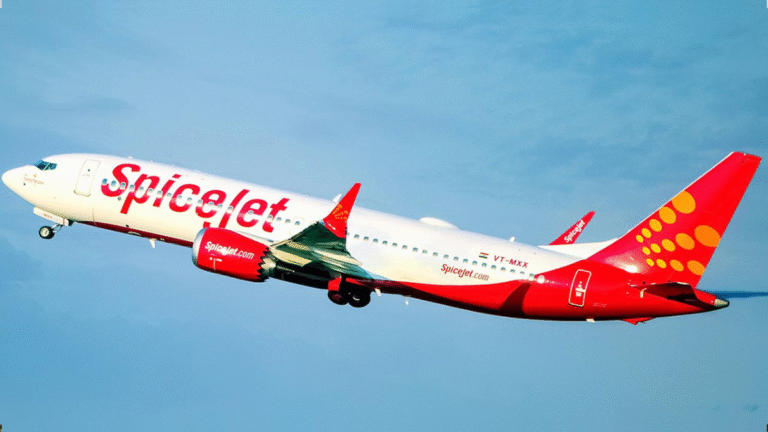
March 5, 2026 — In a major relief for Indian nationals stranded in the United Arab Emirates (UAE) due to the ongoing regional conflict and airspace closures, SpiceJet has announced the operation of 13 special flights scheduled for March 5, 2026. This initiative follows a series of emergency repatriation efforts by Indian carriers to bring home thousands of travelers caught in the crossfire of West Asian tensions.

The special flights are part of a coordinated effort by the Ministry of Civil Aviation (MoCA) and the Ministry of External Affairs (MEA) to ensure the safe return of citizens. Over the past 48 hours, SpiceJet has already successfully operated 12 similar services, and today’s additional capacity is expected to significantly reduce the backlog of passengers waiting at various UAE hubs.

Flight Schedule and Key Destinations

The 13 special services today will primarily operate from Fujairah and Dubai, targeting high-demand routes to major Indian metropolitan areas. According to the airline’s operational plan, the flights will connect the UAE to:

  • New Delhi: To accommodate the large influx of north-bound travelers.
  • Mumbai: Serving as a primary hub for passengers from Maharashtra and Gujarat.
  • Kochi: Specifically catering to the significant Keralite diaspora currently stranded.

These flights are being operated alongside SpiceJet’s regular scheduled services between Fujairah and Delhi/Mumbai, which resumed on a limited basis yesterday.

Context of the Crisis

The surge in repatriation flights comes as a response to the massive disruption in Middle Eastern aviation caused by the Israel-Iran conflict. Since late February, frequent airspace closures across Iran, Jordan, and the UAE have led to:

  1. Mass Cancellations: Over 1,200 flights by Indian carriers were cancelled in the first week of March alone.
  2. Stranded Passengers: Thousands of Indian tourists, business professionals, and students—including a group of 84 MBA students from Pune—found themselves stuck as Dubai International (DXB) and other airports implemented temporary shutdowns.
  3. Alternative Routes: Many travelers were forced to take 6-hour road trips to Oman to catch flights from Muscat as UAE air traffic reached a standstill.

Commitment to Passenger Safety

Ajay Singh, Chairman and Managing Director of SpiceJet, emphasized the airline’s priority during this period of uncertainty.

“At a time like this, our priority is to support Indian citizens who are facing uncertainty and want to return home. We are grateful to the authorities for their coordination, which has made these special flights possible. SpiceJet stands ready to operate more such services wherever required.”

Government Coordination and Monitoring

The Indian government is maintaining a 24/7 vigil on the situation. The Civil Aviation Ministry is working closely with foreign aviation authorities to secure “safe corridors” for these repatriation flights. Additionally, the government is monitoring airfares to prevent “undue surges” in ticket prices, ensuring that the crisis is not exploited by predatory pricing.

Advice for Travelers

Passengers currently in the UAE are advised to:

  • Check Flight Status: Use the official SpiceJet website or mobile app for real-time updates.
  • Contact Missions: Stay in touch with the Consulate General of India in Dubai for registration and priority boarding on relief flights.
  • Avoid Airports Without Confirmation: Authorities recommend not heading to the airport unless a confirmed seat on a special flight has been issued.

Nitish Kumar to Rajya Sabha: Amit Shah Meets CM to Finalize Bihar Succession

0

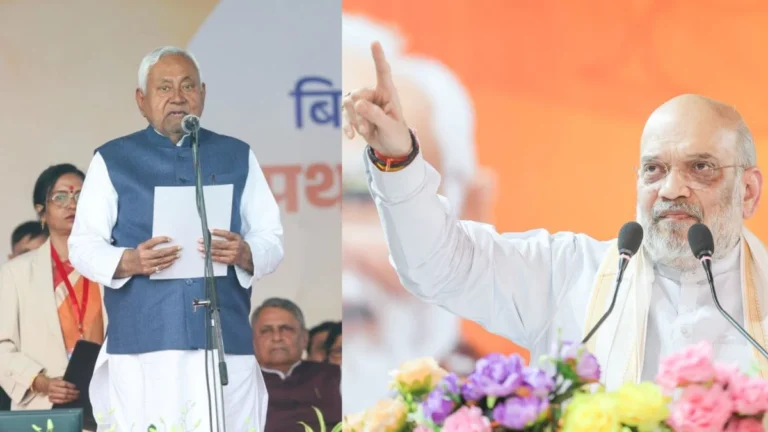
New Delhi, March 5, 2026 – The political landscape of Bihar is witnessing a seismic shift today as Union Home Minister Amit Shah and BJP National President Nitin Nabin arrived at the official residence of Chief Minister Nitish Kumar. The high-profile meeting at 1, Aney Marg comes amid a flurry of activity surrounding the upcoming Rajya Sabha elections, with all signs pointing toward a historic transition in the state’s leadership.

The Great Succession: From CM House to Parliament

In a move that has stunned many and confirmed weeks of speculation, Chief Minister Nitish Kumar officially announced his intention to move to the Upper House. In a heartfelt post on social media, the veteran leader expressed his lifelong desire to serve in all four legislative bodies of India: the Bihar Legislative Assembly, the Legislative Council, the Lok Sabha, and now, the Rajya Sabha.

“From the very beginning of my parliamentary journey, there has been a desire in my heart to become a member of both Houses of the Bihar Legislature as well as both Houses of Parliament,” Kumar stated, marking the end of his record-breaking tenure as Bihar’s longest-serving Chief Minister.

Amit Shah and Nitin Nabin’s Strategic Visit

The presence of Amit Shah in Patna underscores the national importance of this transition. Alongside BJP’s recently appointed National President, Nitin Nabin, the Home Minister is expected to oversee the filing of nomination papers for the NDA candidates.

Sources indicate that the meeting is not just about the Rajya Sabha nominations but also about finalizing the succession plan for Bihar. With Nitish Kumar stepping down, the BJP is poised to claim the Chief Ministerial post in Bihar for the first time in history.

Key Highlights of the Day

  • Nomination Filing: Nitish Kumar and Nitin Nabin are expected to file their nomination papers for the Rajya Sabha between 1:30 PM and 2:00 PM today.
  • A New Era for Bihar: Speculation is rife regarding the next Chief Minister. Names currently doing the rounds include Deputy CMs Samrat Choudhary and Vijay Kumar Sinha, as well as Union Minister Nityanand Rai.
  • JD(U) Internal Shift: In a significant development for the “Nitish legacy,” his son, Nishant Kumar, is rumored to be entering active politics, potentially taking on a senior role within the JD(U) or the state cabinet to ensure party continuity.
  • The Numbers Game: For the five Rajya Sabha seats falling vacant in Bihar, the NDA is aiming for a clean sweep, bolstered by their landslide victory in the 2025 Assembly elections where they secured 202 seats.

Public Sentiment and Protests

While the atmosphere inside 1, Aney Marg is one of strategic planning, the scene outside is more emotional. Groups of JD(U) workers have gathered, raising slogans of “Nitish Kumar Zindabad.” Many supporters expressed reluctance to see their leader leave the state’s top post, citing his transformative “Sushasan” (good governance) over the last two decades.

What’s Next?

Following the nomination filing, a JD(U) Legislative Party meeting is scheduled where Nitish Kumar is expected to formally announce his resignation to his MLAs. This will pave the way for the NDA to elect a new leader of the legislative party, who will then stake a claim to form the government.

The transition marks a pivotal moment for the National Democratic Alliance (NDA), shifting the balance of power within the coalition and setting the stage for a new political chapter in Bihar as it heads toward the March 16 polling date.

NTPC Recruitment 2026: Apply for Jobs with Salary up to ₹2.4 Lakh

0

New Delhi, March 5, 2026: National Thermal Power Corporation (NTPC) Limited, a Maharatna PSU and India’s largest integrated power utility, has recently announced high-paying job opportunities for experienced professionals. With a salary package reaching up to ₹2,40,000 per month, these roles are designed for specialists ready to contribute to India’s green energy transition.

If you are a professional in the chemical, engineering, or project management sectors, here is everything you need to know about these vacancies.

Job Overview: NTPC Recruitment 2026

The current recruitment drive focuses primarily on the Green Chemicals sector—a critical area for NTPC as it expands into methanol, urea, ammonia, ethanol, and sustainable aviation fuel (SAF) production.

Key Positions and Salary Structure

The vacancies are categorized into different grades based on experience and seniority:

Post NameGradeVacanciesPay Scale (Monthly)
Senior Manager (Green Chemicals)E604₹90,000 – ₹2,40,000
Engineer (Green Chemicals)E204₹50,000 – ₹1,60,000

Note: In addition to the basic pay, selected candidates are entitled to Dearness Allowance (DA), perquisites, medical facilities, and other terminal benefits as per company rules.

Who Can Apply? Eligibility Criteria

NTPC is looking for “energetic and experienced” professionals. The eligibility depends strictly on the specific post:

1. Educational Qualification

  • Engineering Degree: Candidates must hold a full-time Bachelor’s degree in Chemical Engineering (or equivalent) from a recognized University/Institution.
  • Minimum Marks: At least 60% marks in the qualifying degree (passing marks for PwBD candidates).

2. Experience Requirements

  • For Senior Manager (E6): Minimum 15 years of post-qualification executive experience in the commissioning and operation of chemical process industries (Refinery, Fertilizer, Petrochemical, etc.).
  • For Engineer (E2): Minimum 04 years of post-qualification experience in similar sectors.
  • Sector Focus: Experience in DCS/Control Desk operations and familiarity with HSE (Health, Safety, and Environment) guidelines is highly preferred.

3. Age Limit (as of the last date of application)

  • Senior Manager: Maximum 44 years.
  • Engineer: Maximum 32 years.
  • Age relaxations apply for SC/ST/OBC and PwBD candidates as per Government of India norms.

How to Apply: Step-by-Step Guide

Interested candidates must apply through the official NTPC careers portal. Follow these steps to ensure a smooth application:

  1. Visit the Website: Go to careers.ntpc.co.in.
  2. Select the Advt: Look for the notification related to “Experienced Professionals in Green Chemicals” (Advt No. 06/26).
  3. Registration: Fill in your personal and professional details.
  4. Upload Documents: You will need to upload your photograph, signature, and proof of experience/qualification.
  5. Payment: * General/EWS/OBC: ₹300.
    • SC/ST/PwBD/XSM/Female: Exempted (No fee).
  6. Submit: Save the system-generated application slip for future reference.

Important Dates to Remember

  • Application Starts: March 2, 2026
  • Last Date to Apply: March 16, 2026

Selection Process

NTPC generally follows a two-stage selection process for experienced roles:

  1. Shortlisting: Based on the relevance of experience and academic records.
  2. Interview: Shortlisted candidates will be called for a personal interview. If the number of applicants is high, the corporation may conduct a screening test before the interview.

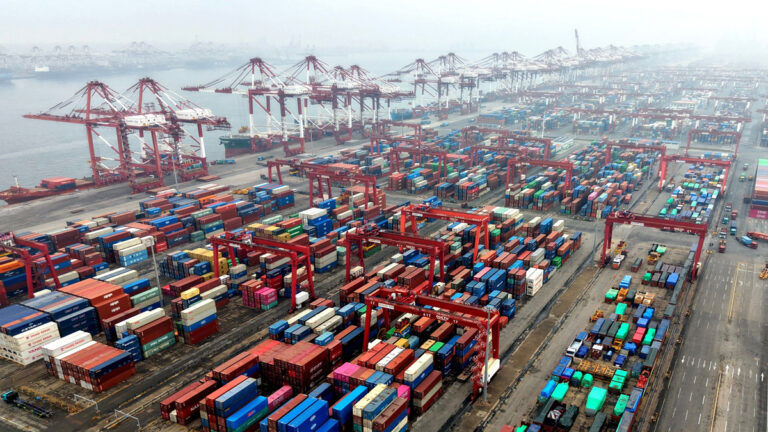
China Sets Lowest Growth Target Since 1991

0

New Delhi, March 5, 2026 – In a historic shift that signals a new era of “high-quality” but slower expansion, China has officially set its economic growth target for 2026 at a range of 4.5% to 5%. Announced on Thursday during the opening of the National People’s Congress (NPC), this figure represents the lowest official growth goal the country has targeted since 1991.

The move marks a departure from the “around 5%” target maintained for the previous three years and underscores the immense structural challenges facing the world’s second-largest economy.

A Pragmatic Shift in Strategy

Premier Li Qiang, delivering the annual government work report to over 3,000 delegates at the Great Hall of the People, described the global and domestic landscape as “grave and complex.” He acknowledged that external shocks—including heightened trade tensions and geopolitical volatility—have intertwined with deep-seated domestic difficulties.

By setting a range of 4.5% to 5% rather than a single hard figure, Beijing is signaling a more pragmatic approach. Analysts suggest this flexibility allows the government to focus on long-term structural reforms and technological self-reliance without the political pressure to deploy massive, debt-fueled stimulus packages just to hit a specific number.

The “New Normal” Faces Old Headwinds

China’s economy grew by exactly 5% in 2025, meeting its previous target but revealing underlying cracks. Several persistent issues are driving the downward revision:

  • Property Market Slump: The real estate sector, once the engine of 25% of China’s GDP, remains in a protracted downturn. Falling house prices have wiped out household wealth and dampened consumer confidence.
  • Weak Domestic Demand: Despite government efforts to pivot toward a consumption-led economy, Chinese consumers remain cautious, leading to lingering deflationary pressures.
  • Trade and Geopolitics: With the return of Donald Trump to the U.S. presidency and the escalation of tariffs—reaching 125% on some goods—China’s export-led model is under severe threat.
  • Demographic Drag: A shrinking workforce and an aging population are putting long-term downward pressure on productivity and growth potential.

Focusing on “New Productive Forces”

The lower target is not just a sign of weakness but a calculated pivot toward what President Xi Jinping calls “New Productive Forces.” This strategy prioritizes high-tech manufacturing, green energy (such as electric vehicles and solar panels), and artificial intelligence over traditional drivers like construction and low-end exports.

To support this transition, the government announced several key measures:

  • Job Creation: A target to create over 12 million new urban jobs.
  • Fiscal Stimulus: Plans to issue 250 billion yuan ($36 billion) in special bonds for consumer goods trade-in programs.
  • Deficit Management: Maintaining a budget deficit ratio of around 4% of GDP to keep “fiscal taps open” without triggering a debt crisis.

The Road to 2035

Economists noted that the new 4.5%–5% range remains sufficient for China to meet its long-term objective of doubling its per capita GDP by 2035. Experts from the Economist Intelligence Unit (EIU) suggest that China only needs to average roughly 4.2% growth over the next decade to reach that milestone.

“This is a further shift from a ‘number-first’ mindset toward a ‘quality-first’ one,” said Xu Tianchen, a senior economist at EIU. “The era of double-digit growth is firmly in the past; Beijing is now prioritizing security and sustainability.”

As the “Two Sessions” political meetings continue throughout the week, global investors will be watching closely for more granular details on how China intends to navigate its most challenging economic environment in over three decades.

Global Markets Spark Recovery: Sensex and Nifty Rebound After Multi-Day Slump

0

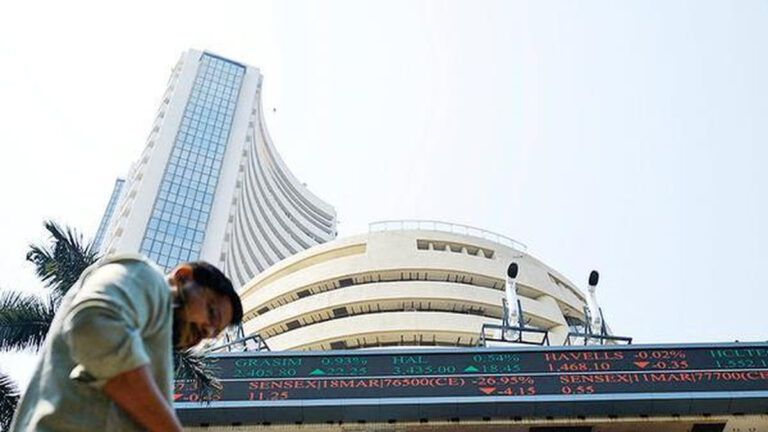
March 5, 2026 — Indian equity benchmarks, the BSE Sensex and NSE Nifty 50, staged a resilient comeback in early trade on Thursday, snapping a grueling multi-session losing streak. The recovery was largely fueled by a positive wave across global markets and reports of potential diplomatic back-channeling aimed at de-escalating the volatile situation in West Asia.

Market at a Glance

The 30-share BSE Sensex surged by over 550 points in the opening hour, comfortably reclaiming the 79,600 level. Simultaneously, the broader NSE Nifty 50 climbed approximately 170 points, trading above the 24,650 mark. This rebound provided much-needed relief to investors who had seen billions in market wealth evaporate over the past four days due to intensifying geopolitical friction.

Key Drivers Behind the Rebound

Market analysts have pointed to a “perfect storm” of recovery factors that helped stabilize the indices:

  • Global Peer Rally: The domestic bounce-back closely tracked a massive recovery in Asian markets. South Korea’s Kospi led the pack with a staggering 10% jump, while Japan’s Nikkei 225 and Hong Kong’s Hang Seng also traded significantly higher.
  • De-escalation Hopes: Sentiment was bolstered by unconfirmed reports suggesting that Iranian and U.S. intelligence agencies might be engaging in indirect talks. While the situation remains fluid, the mere possibility of “talks about talks” cooled the immediate panic.
  • Value Buying: Following a 2,000-point correction in the Nifty from its recent highs, technical indicators suggested the market had entered “oversold” territory. This triggered aggressive “bottom-fishing” by Domestic Institutional Investors (DIIs).
  • Currency Support: The Indian Rupee recovered from its all-time low of 92.05, gaining 48 paise to trade at 91.57 against the U.S. Dollar. This stabilization in the forex market provided additional support to equity sentiment.

Top Gainers and Sectoral Trends

The rally was broad-based, with heavyweights across sectors witnessing renewed buying interest.

Top Sensex GainersSectoral Performance
Adani PortsNifty Metal: Up 0.7% (Led by NALCO & Vedanta)
Reliance IndustriesNifty Auto: Up 0.69%
Tata SteelNifty IT: Up 0.82%
Larsen & ToubroNifty PSU Bank: Up 0.67%

Notably, Reliance Industries jumped over 3%, acting as a major pillar for the Sensex. NALCO also stood out, surging nearly 7% following reports of supply disruptions in the global aluminum market due to smelter shutdowns in Qatar.

The Road Ahead: Caution Amid Volatility

Despite the green shoots, experts warn that the market is not out of the woods yet. Brent crude remains elevated, hovering around $83 per barrel, which continues to pose a risk to India’s inflation and import bill.

“We are seeing a classic relief rally. However, the tug-of-war between ‘value hunters’ (DIIs) and ‘exit seekers’ (FIIs) is far from over,” noted a senior market strategist. “For a sustained recovery, the Nifty needs to decisively reclaim and hold the 24,800–25,000 zone.”

Investors are advised to remain disciplined and focus on high-quality stocks with strong fundamentals, as the India VIX (Volatility Index) suggests that sharp intraday swings may persist as long as the geopolitical climate remains uncertain.

MacBook Neo: Apple’s Genius Entry-Level Play

0

New Delhi, March 5, 2026: The tech world is buzzing following Apple’s March 2026 “Hello” event, and the undisputed star of the show isn’t a titanium-clad Pro model. Instead, it’s the MacBook Neo. Starting at a jaw-dropping $599 (₹69,900 in India), this machine represents Apple’s most aggressive strategic shift in over a decade.

By successfully blending iPhone-level efficiency with the macOS ecosystem, Apple has created a device that isn’t just a “cheap laptop”—it’s arguably their smartest bet for long-term market dominance. Here is why the MacBook Neo is a game-changer.

1. Shattering the “Apple Tax” Barrier

For years, the entry point into the Mac world was the aging MacBook Air, often hovering around the $900–$1,000 mark. This left a massive vacuum in the $500–$700 “sweet spot”—a segment dominated by Windows laptops and Chromebooks.

The MacBook Neo finally allows Apple to compete head-to-head with mid-range PCs. At $599 ($499 for education), it’s no longer a luxury purchase; it’s a viable alternative for every student, casual browser, and small business owner who previously found the Mac ecosystem financially out of reach.+1

2. The Genius of the A18 Pro Chip

In a historic first, Apple has brought an iPhone processor to the Mac. The A18 Pro (the same silicon found in the iPhone 16 Pro) is the secret sauce that makes the Neo possible.+1

  • Cost Efficiency: By using a chip already produced in massive volumes for the iPhone, Apple has slashed manufacturing costs without sacrificing modern performance.
  • Fanless Silence: The chip’s mobile-first architecture allows for a completely fanless design. The Neo stays cool and silent, even when multitasking across dozens of browser tabs.+1
  • AI-Ready: With a 16-core Neural Engine, the Neo is built from the ground up for Apple Intelligence, ensuring that budget users aren’t left behind in the generative AI era.

3. A “Lifestyle” Machine for a New Generation

Apple clearly understands that not every user is a 4K video editor. The MacBook Neo is unashamedly built for the “Everyman.”+1

  • The Colors: Available in Indigo, Blush, Silver, and Citrus, the palette signals a “fun and fresh” vibe that appeals to younger demographics.
  • The Portability: At just 2.7 pounds and 0.5 inches thin, it is designed for backpacks and coffee shops.
  • The Endurance: Rated for 16 hours of video streaming, it provides true all-day battery life that puts most budget Windows laptops to shame.

4. On-Device Continuity: The Ecosystem Hook

The MacBook Neo is the ultimate “gateway drug.” For the millions of iPhone users who have never owned a Mac, the Neo offers a seamless transition via macOS Tahoe. Features like iPhone Mirroring, Handoff, and Universal Clipboard make the Neo feel like a natural extension of the phone they already love. Once a user enters the macOS environment through the Neo, they are far more likely to upgrade to a MacBook Pro or iPad Pro down the road.+2.

The Verdict: A Masterstroke in Market Expansion

The MacBook Neo isn’t about raw power; it’s about ubiquity. By accepting minor trade-offs—like the 8GB RAM limit and the lack of MagSafe—Apple has delivered a premium-feeling, all-aluminum laptop at a price that disrupts the entire industry.

It is a calculated gamble that focuses on the 90% of users who simply want a fast, beautiful, and reliable computer for daily life. In 2026, the MacBook Neo is more than just a new product; it’s Apple’s bid to make the Mac as universal as the iPhone.

Lara Dutta Dubai Villa Shaken by West Asia Tensions: “Unnerving but Safe”

New Delhi, March 5, 2026: As geopolitical tensions escalate in West Asia, Bollywood actress and former Miss Universe Lara Dutta has shared a harrowing yet resilient update from her villa in Dubai. Amid reports of missile interceptions and fighter jets patrolling the skies, the actress opened up about the “unnerving” atmosphere that has left her family—and many others in the region—on edge.

“Loud Booms and Shaking Windows”

Lara, who has lived in Dubai for the past three years, took to social media to describe the reality of the ongoing conflict. She revealed that while she resides in a safe neighborhood, the sheer intensity of the military activity is impossible to ignore.

“I won’t lie, it has been a stressful few days,” she shared. “There are fighter jets flying overhead and lots of loud booms. Even though we are in a safe area, the windows shake and the doors rattle. It’s incredibly unnerving, but I haven’t felt unsafe—not even once.”

The actress was reportedly filming at a studio on February 28 when the situation intensified. She recounted the moment they heard explosions overhead and stepped out to witness missiles being intercepted in the sky, an experience she described as “scary” for both adults and children.

High Praise for UAE’s Security

Despite the visible and audible signs of war, Lara was quick to praise the UAE government for its handling of the crisis. She highlighted the sense of protection provided to all residents, regardless of their nationality.

  • Sense of Safety: She noted that the government has gone above and beyond to make residents feel “looked after and wanted.”
  • Business as Usual: In a touching observation, she mentioned that daily life continues—her gardener still tends to the lawn, and delivery riders continue their routes—showing the resilience of the local infrastructure.
  • Parallels with India: Lara compared the current situation to her experience in India during past regional tensions, noting that the UAE’s commitment to civilian safety mirrors the protection she felt back home.

A Mother’s Anxiety: The Quest for Home

While she feels protected by the local authorities, the actress admitted that the uncertainty is taking a toll, particularly on the younger generation. Lara is currently in Dubai with her daughter, Saira, while her husband, tennis legend Mahesh Bhupathi, was away for work when the conflict escalated.

Visibly emotional in her video, Lara shared:

Industry Support

Lara’s update triggered a wave of support from her colleagues in the film industry. Actors like Richa Chadha and Sudhanshu Pandey reached out with messages of solidarity, echoing her sentiments about the efficiency of the UAE government while wishing for her safe and speedy return to India.

The Kerala Story 2: Fact vs. Fiction

Nearly three years after the original film ignited a massive national debate, The Kerala Story 2: Goes Beyond hit Indian theaters in late February 2026. Like its predecessor, the sequel has arrived amidst a whirlwind of legal battles, political crossfire, and polarized public opinion.

For those following the headlines, here is the “real story” behind the sequel, the controversy, and the facts on the ground.

1. The Movie: Plot and Narrative

Directed by Kamakhya Narayan Singh and produced by Vipul Amrutlal Shah, The Kerala Story 2 expands its scope beyond the borders of Kerala. While the first film focused on the recruitment of three women into ISIS, the sequel tracks the stories of three different women from Kochi, Jodhpur, and Gwalior.

The narrative shifts from the data-heavy claims of the first film to a broader exploration of forced conversions, “Love Jihad,” and demographic shifts. It portrays a systematic pattern where women are allegedly targeted through deception and marriage, ultimately facing coercion or trafficking. Unlike the first film, which was criticized for its “32,000 women” claim (later revised to three), the sequel focuses on what the makers call “civilizational threats” and “identity politics.”

2. The Legal Battle for Release

The film’s journey to the big screen was anything but smooth. Just 24 hours before its scheduled release on February 27, 2026, the Kerala High Court issued an interim stay on the movie.

  • The Court’s Concern: A single-judge bench observed that the film had the potential to “distort public perception” and “disturb communal harmony.”
  • The Reversal: The producers immediately challenged this. A division bench eventually lifted the stay, allowing the film to release on Saturday, February 28, one day late.
  • CBFC Modifications: To secure a U/A certificate, the Central Board of Film Certification (CBFC) reportedly ordered over 16 cuts. These included reducing the length of violent scenes (rapes and physical assaults) by up to 50% and adding an extensive 2-minute disclaimer stating the film is “inspired by true events.”

3. Fact vs. Fiction: What is the “Real Story”?

The central tension of The Kerala Story franchise lies in the gap between cinematic dramatization and official records.

  • Documented Cases: National agencies, including the NIA, have historically confirmed a small number of cases (approximately 60–100 individuals) from India who joined ISIS or extremist groups.
  • The “Organized” Claim: While the film depicts an organized, state-wide conspiracy, the Kerala government and various socio-political organizations argue that these are isolated criminal incidents rather than a widespread social phenomenon.
  • Community Portrayal: Critics argue the film employs “menacing” stereotypes of a specific community to drive its plot. Conversely, the filmmakers maintain they are giving a voice to victims of “forced conversion” whose stories are often suppressed for the sake of political correctness.

4. Box Office and Public Reception

Despite the massive buzz, the sequel’s opening was notably “subdued” compared to the 2023 original.

  • Initial Numbers: The film earned approximately ₹20.15 crore in its first six days.
  • The “Holi” Boost: Collections saw a slight jump during the Holi holidays in early March, but trade analysts suggest the film may struggle to reach the blockbuster status of the first installment, which grossed over ₹300 crore worldwide.