Home Blog Page 266

Love at First Bite: Viral “Golgappa Proposal” Wins Over the Internet

0

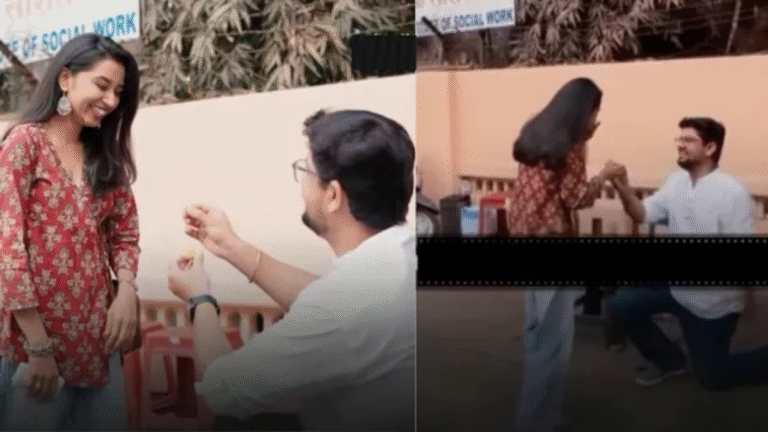
New Delhi, February 12, 2026: In a world of choreographed flash mobs and expensive rooftop dinners, one couple has proven that the way to the heart is—quite literally—through the stomach. A heartwarming video of a young man proposing to his partner with a plate of golgappas (pani puri) instead of the traditional bouquet of roses has set social media ablaze, leaving netizens in stitches and swooning over the sheer relatability of the gesture.

The viral clip, which has already amassed millions of views across platforms like Instagram and X (formerly Twitter), captures a moment of pure, unadulterated joy that feels refreshingly grounded in everyday love.

A Spicy Twist on Tradition

The video begins with the couple standing at what appears to be their favorite local street food stall. While the girl is busy anticipating her next spicy treat, the boy surprises her. Instead of pulling out a velvet box or a dozen red roses, he presents a perfectly crafted, water-filled golgappa as if it were a precious gem.

What happened next is what truly captured the internet’s heart:

  • The Initial Shock: The girl’s eyes widen in genuine surprise, a mix of confusion and realization dawning on her face.
  • The Adorable Reaction: Rather than looking for a ring, she breaks into a massive, infectious grin, blushing as she realizes her partner knows her “love language” perfectly.
  • The “Yes”: Without a second thought, she accepts the “proposal” by devouring the snack, followed by a celebratory hug that has viewers reaching for the tissues.

Why the Internet is Obsessed

While grand gestures often go viral for their scale, this “Golgappa Proposal” hit a different chord. In a digital age often criticized for being “too filtered,” this video felt authentic and attainable.

“This is the most Indian proposal ever, and honestly? It’s better than a diamond,” commented one user. Another chimed in, “If he doesn’t know my favorite spice level, is he even the one?”

The reaction highlights a growing trend in modern relationships:

  1. Personalization over Price Tags: Focusing on what the partner actually loves (street food) rather than what society expects (expensive flowers).
  2. Shared Memories: Most Indian couples have “their” local street food spot, making the setting deeply sentimental.
  3. Humor in Romance: The ability to laugh together is often cited as the secret to a long-lasting relationship.

Social Media Metrics

The Verdict: Authenticity Wins

As the video continues to circulate, it serves as a gentle reminder that love doesn’t always need a script or a high budget. Sometimes, all it takes is a bit of spice, a tangy dip, and someone who knows exactly how to make you smile.

The “Golgappa Girl,” as she’s being affectionately called by commenters, has become the face of every foodie’s dream proposal—one where the flowers are replaced by flavor and the promises are as crisp as the puri.


Lithuanian X Factor Audition Sparks Global Meme Frenzy

0

New Delhi, February 12, 2026: A significant wave of digital amusement and global attention has been triggered following the emergence of a viral audition from the Lithuanian edition of The X Factor. In the footage, which gained massive traction on February 12, 2026, a hopeful contestant is observed performing a unique rendition of Justin Bieber’s hit song, “Sorry.” It is noted that the performance, characterized by its distinctive vocal choices and intense stage presence, was quickly captured by viewers and shared across major social media platforms. This unexpected interaction between a standard talent show format and an unconventional performance style has been widely shared as a primary example of how niche local television can become a global phenomenon.

The Mechanics of a Viral Meme

The specifics of the singer’s delivery and the judges’ stunned reactions are being meticulously discussed by thousands of netizens. It is observed in the viral reports that the audition was not merely watched, but transformed into a multi-layered digital trend involving parodies and reenactments. It is reported by several social media monitors that the audio from the performance is being utilized as a “trending sound” for comedic sketches, where users attempt to replicate the singer’s passionate but polarized vocal technique. The visual of the contestant’s earnestness contrasted with the bewildered panel of judges has provided a grounding narrative for the humor that has resonated with audiences from New York to New Delhi.

Also Read: Caged Woman Linked to ‘Epstein Files’ Confirmed as Scripted Content

Global Trends: From Reenactments to Digital Art

A massive conversation regarding the nature of viral fame and the “meme-ification” of talent shows has been ignited by this Lithuanian revelation. It is noted that the video was met with an outpouring of creativity, with many netizens remarking that “the confidence displayed is more infectious than the song itself.” The singer is being widely discussed as an overnight digital celebrity, with professional dancers and amateur creators alike posting split-screen reenactments of the audition. Thousands of humorous comments have been left by users who expressed their fascination, stating that such videos serve as a refreshing reminder of the unpredictable and democratic nature of internet stardom.

Impact on the Music Industry and Reality TV

The impact of this viral event has extended beyond simple laughter to influence a broader discussion on the production of reality television in the age of TikTok. It is frequently mentioned by media analysts that “viral moments” are now intentionally sought after by showrunners to boost international ratings. A renewed sense of interest is being observed in the X Factor franchise, as viewers seek out the full episodes to understand the context of the audition. It is believed that the viral nature of this specific “Sorry Audition” video will prompt a dialogue on how reality TV contestants are often embraced by the public not for their technical perfection, but for their raw and memorable individuality.

A Stark Reminder of the Power of ‘The Sound On’

As the footage continues to accumulate millions of views in mid-February 2026, it serves as a powerful and resilient reminder that entertainment is often found in the most unexpected places. It is believed that the “Lithuanian Sorry Trend” story will remain a primary highlight of the year’s most discussed and lighthearted digital features. The legacy of this viral event is expected to be a heightened public awareness of the global reach of Eastern European pop culture. Until the next big audition surfaces, this video remains a stark testament to the fact that sometimes, saying “Sorry” is the best way to get the entire world to start listening.

Caged Woman Linked to ‘Epstein Files’ Confirmed as Scripted Content

0

New Delhi, February 12, 2026: A significant wave of alarm and viral speculation has been triggered across social media platforms following the emergence of a disturbing video depicting a pregnant woman held in a cage. In the footage, which gained massive traction in early 2026, the content is being falsely linked to the infamous “Epstein Files” and alleged human trafficking rings. It is noted that the video was circulated with sensationalist captions to manipulate public emotion and fuel long-standing conspiracy theories. This alarming interaction between sensitive global news and fabricated media has been widely shared as a primary example of how misinformation is weaponized in the digital age.

The Mechanics of the Fabricated Footage

The specifics of the video’s origin and its creative intent are being meticulously discussed by fact-checkers and digital forensic experts. It is observed in the viral reports that the footage was originally produced as scripted content for social media entertainment and awareness dramas. It is reported by several investigative units that the “caged” setting was a professional film set, and the individuals involved were paid actors performing for a fictional narrative. The visual of the simulated distress was extracted from its original context and re-branded to fit a more sinister political narrative, providing a grounding lesson on the dangers of decontextualized media.

Also Read: Remo D’Souza Opens Up About His Conversion to Christianity and His Father Touching Request

Social Media Reacts: The Danger of Echo Chambers

A massive conversation regarding the ethics of content creation and the susceptibility of online audiences has been ignited by this debunked revelation. It is noted that before the video was identified as scripted, it was met with an outpouring of genuine horror and calls for justice from millions of users. The spread of the clip is being widely discussed as a failure of digital literacy, where sensationalism often outpaces factual verification. Thousands of corrective comments have since been left by users who expressed their frustration, stating that such videos serve as a stark reminder of the “post-truth” era where visual evidence is no longer a guarantee of reality.

Impact on Global Advocacy and Real Investigations

The impact of this viral event has extended beyond simple internet gossip to influence a broader discussion on the dilution of serious human rights issues. It is frequently mentioned by advocacy groups that the proliferation of “fake” trafficking videos makes it significantly harder for genuine victims to be heard or for real investigations to be taken seriously. A renewed sense of urgency is being observed among platform moderators to flag such content before it reaches a critical mass of views. It is believed that the viral nature of this specific “Caged Woman Video” will prompt a dialogue on the necessity of holding creators accountable for the labels—or lack thereof—placed on their scripted works.

A Stark Reminder to Verify Before Sharing

As the footage continues to be flagged and removed across major platforms in mid-February 2026, it serves as a powerful and resilient reminder of the power of the “Share” button. It is believed that the “Scripted Epstein Video” story will remain a primary highlight of the year’s most significant misinformation case studies. The legacy of this viral event is expected to be a heightened public awareness of how easily human emotions can be exploited for clicks. Until more robust AI-driven fact-checking tools are integrated into our feeds, this video remains a stark testament to the fact that in the world of viral media, seeing should never be synonymous with believing.

Remo D’Souza Opens Up About His Conversion to Christianity and His Father Touching Request

0

New Delhi, February 12, 2026: Renowned Bollywood choreographer and filmmaker Remo D’Souza has always been open about his journey from humble beginnings to becoming a household name in the Indian film industry. However, in a recent candid reflection, the ABCD director shared a deeply personal anecdote regarding his spiritual journey and the emotional conversation he had with his father when he decided to convert to Christianity.

While religious transitions can often be a point of friction in traditional households, Remo’s story highlights a bond of mutual respect and a father’s simple, poignant request that has stayed with him throughout his career.

A Journey of Faith and Identity

Born Ramesh Gopi Nair, Remo’s path to the spotlight was paved with grit and determination. His transition to Christianity was a significant turning point in his life, influenced by his personal experiences and the community he found solace in during his early years in the industry.

When the time came to break the news to his father—a retired Air Force officer with a disciplined outlook on life—Remo admits there was a level of apprehension. However, the reaction he received wasn’t one of anger or rejection, but rather one of quiet acceptance and a singular, heartfelt condition.

“Don’t Change My Name”

Recalling the moment, Remo shared that his father’s primary concern wasn’t the change in faith, but the preservation of their family legacy and identity. His father told him:

“Bas mera naam matt change karna.” (Just don’t change my name.)

In many Indian cultures, the father’s name is intrinsically linked to the child’s identity, often serving as the middle or last name. For Remo’s father, the conversion was a personal choice of the soul, but the name “Nair” represented their roots, their history, and the bond they shared.

Remo honored this wish. While the world knows him by his professional moniker, “Remo,” he has remained steadfast in keeping his legal and family identity intact, ensuring that his father’s legacy continues to walk alongside his professional success.

The Balance of Tradition and Personal Choice

This revelation has resonated with fans across social media, sparking conversations about the evolving nature of family dynamics in India. Remo’s story serves as a testament to:

  • Mutual Respect: The ability of a parent to respect a child’s spiritual autonomy.
  • Cultural Identity: The significance of a surname as a bridge between one’s past and present.
  • Emotional Maturity: Moving past religious labels to focus on the core values of the family unit.

From Ramesh to Remo: A Legacy Continued

Remo D’Souza’s career continues to hit high notes, from judging popular dance reality shows like Dance India Dance to directing major blockbusters. Yet, behind the glitz of the stage lights, it is these grounded moments—like a promise made to a father—that define the man behind the brand.

By sharing this story, Remo has given his audience a glimpse into the complexities of identity in a modern world, proving that while faith can be a personal evolution, family remains an anchor.

Junior Doctor in Jodhpur Suspended After Viral Canteen Misconduct

0

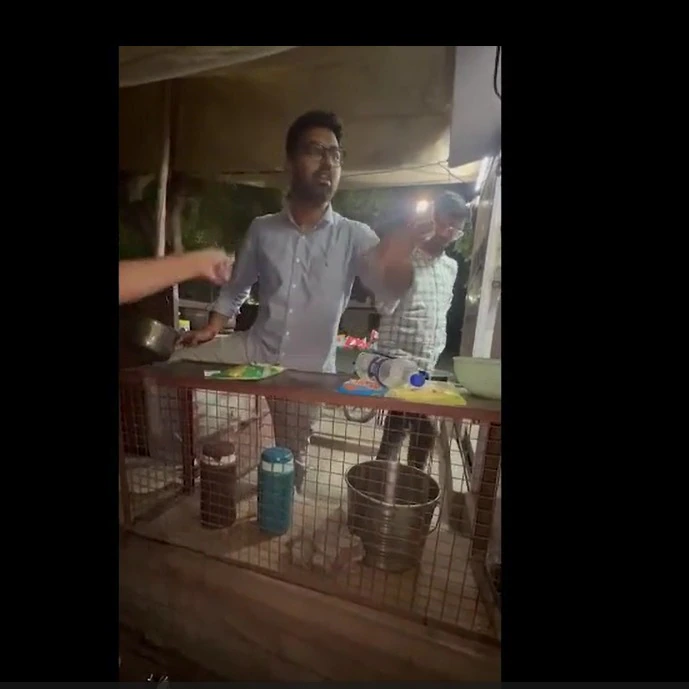
New Delhi, February 12, 2026: A significant wave of public indignation has been triggered across Rajasthan following the emergence of a viral video involving a junior doctor in Jodhpur. In the footage, which gained massive traction on February 11, 2026, a medical professional is observed engaging in verbal abuse and aggressive behavior within a hospital canteen. It is noted that the incident took place at a prominent government medical college, where the doctor was seen confronting canteen staff and fellow diners in an unprofessional manner. This volatile interaction has been widely shared as a primary example of the mounting pressures and behavioral expectations within the healthcare sector.

The Mechanics of the Viral Incident

The specifics of the altercation and the nature of the doctor’s outbursts are being meticulously discussed by local authorities and medical associations. It is observed in the viral reports that the dispute reportedly began over a minor service delay, which quickly escalated into a barrage of insults and physical intimidation. It is reported by several digital observers that the video was captured by an onlooker who was shocked by the disparity between the doctor’s noble profession and their public conduct. The visual of the heated exchange has provided a grounding narrative for the immediate demand for administrative intervention.

Also Read: Viral Video of Cigarettes and Tobacco Served at Wedding

Swift Disciplinary Action and Suspension

A massive conversation regarding professional ethics and workplace decorum has been ignited by this digital revelation. It is noted that the video was met with an outpouring of criticism from the general public, with many netizens remarking that “the white coat carries a responsibility that was clearly forgotten in this instance.” Following a preliminary review of the footage, the hospital administration and the medical college principal were prompted to take decisive action. It is reported that the junior doctor was officially suspended with immediate effect pending a full-scale internal inquiry into the misconduct.

Impact on Institutional Reputation and Public Trust

The impact of this viral event has extended beyond a single suspension to influence a broader discussion on the mental health and behavioral training of resident doctors. It is frequently mentioned by senior medical experts that while the stress of the medical field is immense, the sanctity of public behavior must be maintained. A renewed sense of scrutiny is being observed regarding the interpersonal skills of medical staff when interacting with service providers and the public. It is believed that the viral nature of this specific “Jodhpur Canteen Abuse” video will prompt a dialogue on the necessity of mandatory soft-skills training for all incoming junior residents.

A Stark Reminder of Professional Boundaries

As the footage continues to accumulate views in mid-February 2026, it serves as a powerful and resilient reminder that the eyes of the digital public are always watching. It is believed that the “Jodhpur Doctor Suspension” story will remain a primary highlight of the month’s most discussed and socially relevant news features in Rajasthan. The legacy of this viral event is expected to be a heightened awareness among public servants regarding the consequences of their actions in the age of the smartphone. Until the final inquiry report is released, this video remains a stark testament to the fact that professional reputation can be lost in a matter of seconds.

Viral Video of Cigarettes and Tobacco Served at Wedding

0

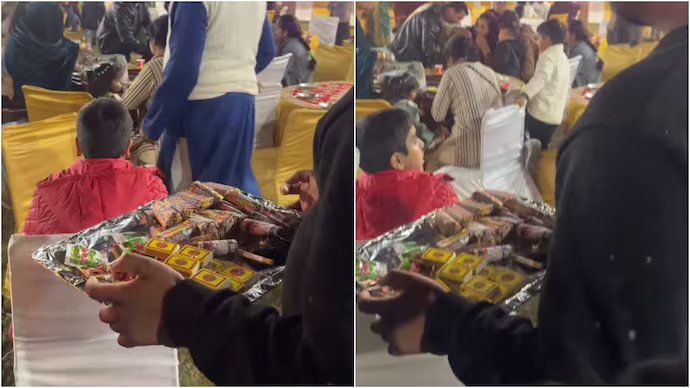
New Delhi, February 12, 2026: A significant wave of disbelief and criticism has been triggered across social media platforms following the emergence of a startling viral video from a recent wedding ceremony. In the footage, which gained massive traction on February 12, 2026, guests are observed being served cigarettes and packets of gutka (chewing tobacco) on silver trays. It is noted that this unconventional form of hospitality was presented alongside traditional sweets and snacks, catching many attendees and viewers off guard. This unexpected interaction between celebratory customs and harmful substances has been widely shared as a primary example of how hospitality can sometimes cross the line into social controversy.

The Mechanics of the Unusual Service

The specifics of the event and the manner in which the tobacco products were distributed are being meticulously discussed by thousands of netizens. It is observed in the viral footage that servers moved through the crowd with decorated platters, offering lit cigarettes to guests as if they were appetizers. It is reported by several digital observers that the incident likely took place in a rural region where such practices are occasionally viewed as a sign of “extravagant” hosting. The visual of young and old guests alike reaching for tobacco products in a festive setting has provided a grounding narrative for the intense debate regarding the normalization of addiction in social gatherings.

Also Read: Elderly Bengal Woman’s Struggle to Save Rice Shop

Social Media Reacts: A Global Outcry Over Health and Ethics

A massive conversation regarding public health and the ethical responsibilities of event hosts has been ignited by this digital revelation. It is noted that the video was met with an outpouring of shock, with many netizens remarking that “celebrations should promote joy, not harmful habits that lead to disease.” The hosts are being widely discussed for their perceived lack of responsibility, with many users pointing out the negative influence such displays have on the children present at the function. Thousands of critical comments have been left by users who expressed their concern, stating that such videos serve as a stark reminder of the cultural work still needed to de-glamorize tobacco use.

Impact on Public Health Advocacy and Legal Discussions

The impact of this viral event has extended beyond simple internet gossip to influence a broader discussion on the regulation of tobacco at private events. It is frequently mentioned by health activists that the public distribution of tobacco products may violate local health ordinances or anti-smoking laws. A renewed sense of urgency is being observed among health organizations to launch awareness campaigns targeting “traditional” practices that involve substance abuse. It is believed that the viral nature of this specific “Wedding Tray Video” will prompt a dialogue on the necessity of social boycotts against events that promote unhealthy and dangerous lifestyles under the guise of luxury.

A Stark Reminder of Cultural Responsibility

As the footage continues to accumulate millions of views in mid-February 2026, it serves as a powerful and resilient reminder of the influence of social media in policing societal norms. It is believed that the “Tobacco Wedding Service” story will remain a primary highlight of the month’s most discussed and polarizing lifestyle features. The legacy of this viral event is expected to be a heightened public awareness of the health risks associated with normalizing tobacco in family environments. Until a cultural shift occurs, this video remains a stark testament to the fact that not all traditions are worthy of being preserved or celebrated in a modern, health-conscious society.

Elderly Bengal Woman’s Struggle to Save Rice Shop

0

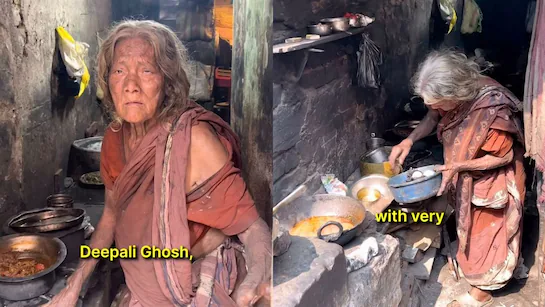
New Delhi, February 12, 2026: A significant wave of empathy and inspiration has been triggered across the digital landscape following the emergence of a poignant viral video from West Bengal. In the footage, which gained massive traction on February 11, 2026, an elderly woman is observed standing her ground with remarkable dignity to protect her small rice shop. It is noted that the shop, which serves as her primary source of livelihood, was reportedly facing the threat of closure or displacement. This emotional interaction between a vulnerable individual and the harsh realities of survival has been widely shared as a primary example of the indomitable human spirit found in the heart of rural India.

The Mechanics of a Heartbreaking Stand

The specifics of the woman’s struggle and the circumstances surrounding the shop’s endangerment are being meticulously discussed by thousands of netizens. It is observed in the viral footage that the elderly shopkeeper, despite her frail appearance, spoke with great conviction to defend her right to earn an honest living. It is reported by several digital observers that the video was captured by a passerby who was moved by her courage in the face of bureaucratic or local pressure. The visual of her guarding the bags of rice—the fruit of her daily labor—has provided a grounding narrative for the systemic challenges faced by small-scale female entrepreneurs in the unorganized sector.

Also Read: Who is Vikram Salgaocar? Meet Mukesh Ambani “Favorite” Nephew and the Eldest Ambani Grandchild

Social Media Reacts: A Global Outpouring of Support

A massive conversation regarding elder care, social security, and the dignity of labor has been ignited by this digital revelation. It is noted that the video was met with an outpouring of support, with many netizens remarking that “this grandmother’s fight is a lesson in resilience for the entire world.” The woman is being widely discussed as a symbol of self-reliance, with many users calling for local authorities to intervene and ensure her shop remains secure. Thousands of emotional comments have been left by users who expressed their desire to help her financially, stating that such videos serve as a refreshing reminder of the hidden heroes within our communities.

Impact on Local Governance and Social Awareness

The impact of this viral event has extended beyond simple social media metrics to influence a broader discussion on the protection of elderly citizens’ livelihoods. It is frequently mentioned by social activists that the visibility provided by the video has prompted local officials to review her case with newfound urgency. A renewed sense of social responsibility is being observed among the youth, who have begun visiting her shop to provide support and patronage. It is believed that the viral nature of this specific “Bengal Rice Shop” video will prompt a dialogue on the necessity of creating stronger safety nets for the elderly who wish to remain economically active.

A Stark Reminder of Courage in Adversity

As the footage continues to accumulate millions of views in mid-February 2026, it serves as a powerful and resilient reminder that age is no barrier to courage. It is believed that the “Bengal Rice Shop Struggle” story will remain a primary highlight of the month’s most discussed and socially impactful human-interest features. The legacy of this viral event is expected to be a heightened public awareness of the struggles faced by the elderly in the pursuit of a dignified life. Until a permanent solution is secured for her business, this video remains a stark testament to the fact that sometimes, the smallest voices can roar the loudest when fighting for their survival.

Who is Vikram Salgaocar? Meet Mukesh Ambani “Favorite” Nephew and the Eldest Ambani Grandchild

0

The internet has been buzzing with viral snippets from a grand wedding celebration that has brought India’s most powerful business family together once again. The man at the center of the festivities is Vikram Salgaocar, the eldest nephew of Reliance Industries Chairman Mukesh Ambani.

While the Ambani siblings—Akash, Isha, and Anant—are frequently in the spotlight, Vikram has historically maintained a low profile. Here is everything you need to know about the man whose wedding has become the latest social media sensation.

Family Roots: The Eldest Grandchild of Dhirubhai Ambani

Vikram Salgaocar holds a special place in the family tree as the eldest grandchild of the late Reliance founder Dhirubhai Ambani and Kokilaben Ambani. Born on October 25, 1984—coinciding with the Gujarati New Year—his birth was celebrated as a milestone for the patriarch.

He is the son of Deepti Salgaocar (Mukesh and Anil Ambani’s younger sister) and Dattaraj Salgaocar, a prominent Goa-based industrialist. The union of his parents was a merging of two close-knit families; Dattaraj and Mukesh Ambani were childhood friends who grew up in the same building, Usha Kiran, in Mumbai.

Educational Background and Elite Career

Vikram’s professional journey reflects a blend of global exposure and domestic business leadership.

  • Schooling: He completed his junior college at Jai Hind College in Mumbai.
  • Higher Education: He moved to the United States to earn a Bachelor of Business Administration (BBA) from the prestigious Wharton School of the University of Pennsylvania.
  • Professional Start: He began his career in 2007 as an Associate with the global consulting giant McKinsey & Company in New Jersey.
  • Reliance Connection: Between 2010 and 2013, he served as a Business Development Manager at Reliance Entertainment.

Current Business Ventures

Today, Vikram is a seasoned businessman in his own right. Since 2018, he has served as a Director at V.M. Salgaocar Hotels and Resorts Private Limited. His family’s business portfolio in Goa is extensive, including high-end properties such as:

  • The Goa Marriott Resort & Spa
  • Fairfield by Marriott Goa
  • Blue Turtle Beach Restaurant

The Salgaocar family is also legendary for its contribution to Indian sports, specifically through the iconic Salgaocar Football Club based in Goa.

The Viral Wedding: A Family Reunion

The recent viral videos have captured rare, intimate moments of the Ambani family. Notable attendees included Nita Ambani and Radhika Merchant, both seen in exquisite ethnic attire. A particularly touching moment from the pre-wedding celebrations involved 91-year-old Kokilaben Ambani, who reportedly sang a traditional family song to bless her grandson, underscoring the deep emotional bond they share.

Despite his family’s immense wealth and fame, Vikram has largely avoided the “glitz and glam” of the media, focusing instead on managing his family’s diverse business interests between India and the United States.

NTPC 2026: 515 Jobs with ₹1.4 Lakh Salary

0

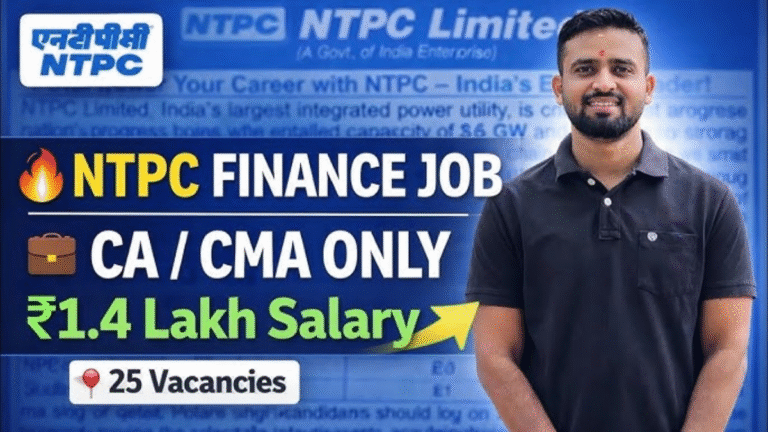
New Delhi | February 11, 2026 – NTPC Limited, India’s largest integrated power utility and a premier Maharatna Public Sector Undertaking (PSU), has officially launched its major recruitment drive for 2026. This year, the corporation is inviting applications from dynamic and energetic engineering graduates to join as Engineering Executive Trainees (EETs).

With a focus on expanding its green energy footprint and maintaining its leadership in the power sector, NTPC is offering a competitive pay scale and a robust career path for young professionals.

Key Details of NTPC EET Recruitment 2026

The recruitment drive aims to fill 515 vacancies across various engineering disciplines. Selected candidates will be placed in the E1 Grade, featuring an attractive pay scale and comprehensive benefits.

Eligibility Criteria & Disciplines

To ensure a high standard of technical expertise, NTPC has set specific eligibility requirements:

  • Educational Qualification: Candidates must possess a full-time Bachelor’s Degree in Engineering or Technology (B.E./B.Tech) with not less than 65% marks (55% for SC/ST/PwBD candidates) from a recognized University/Institute.
  • Eligible Streams:
    • Electrical Engineering
    • Mechanical Engineering
    • Civil Engineering
    • Electronics Engineering
    • Instrumentation Engineering
    • Computer Science & Information Technology
  • GATE Requirement: Applicants must have appeared for the GATE 2025 examination in the corresponding paper code.
  • Age Limit: The upper age limit is 27 years as of the last date of application. Standard age relaxations apply for reserved categories (SC/ST/OBC/PwBD/Ex-SM) as per Government of India norms.

Salary Structure and Benefits

One of the most significant highlights of this recruitment is the lucrative compensation package. Selected candidates will be inducted at the E1 Grade in the pay scale of ₹40,000 to ₹1,40,000.

Beyond the basic pay, employees are entitled to:

  • Dearness Allowance (DA)
  • House Rent Allowance (HRA) or Company Accommodation
  • Cafeteria Approach: A flexible set of perks and allowances.
  • Medical Facilities: For self and dependents.
  • Terminal Benefits: Including Provident Fund (PF), Gratuity, and Pension schemes.

How to Apply for NTPC Recruitment 2026

Interested and eligible candidates can follow these steps to submit their applications:

  1. Visit the Official Portal: Go to the NTPC careers website at .
  2. Registration: Use your GATE 2025 Registration Number to log in and start the application process.
  3. Fill Details: Enter personal, academic, and contact information as per the GATE records.
  4. Upload Documents: Upload a recent photograph, signature, and relevant certificates (Category/PH/Minority) if applicable.
  5. Payment: Pay the application fee of ₹300 (General/EWS/OBC). SC, ST, PwBD, XSM category and female candidates are exempted from the fee.
  6. Submit: Review the form and submit. Keep a printout of the registration slip for future reference.

Important Dates to Remember

  • Online Application Starts: February 11, 2026
  • Last Date for Application: February 25, 2026

Selection Process

The selection will be strictly merit-based. Candidates will be shortlisted for the next stages—which may include a Group Discussion (GD) and Personal Interview—based on their GATE 2025 performance. Final placement will depend on the cumulative score and medical fitness as per NTPC’s stringent standards.

Safety on Wheels: India All-Female Cab App Goes Viral

0

New Delhi, February 11, 2026: In an era where personal safety is a non-negotiable priority, a new wave of transport technology is reshaping the way women commute in India. A recent viral video has been making waves across social media, breaking down the inner workings of an Indian cab app designed exclusively for women, by women.

This isn’t just another ride-hailing service; it is a movement aimed at reclaiming public spaces and providing “zero-anxiety” mobility. Here is everything you need to know about the apps leading this revolution and how the system works.

The Rise of the “By Women, For Women” Model

While several players have entered this space, apps like Fery Rides, Women Rider, and Taxshe are at the forefront. The viral video highlights how these platforms have moved beyond being a niche luxury to becoming a essential daily tool for working professionals, students, and travelers.

Unlike traditional giants like Ola or Uber—where women drivers are a rare exception—these platforms operate on a strict gender-locked policy. Only female drivers (often called “Sister Partners” or “Roos”) are onboarded, and they only accept female passengers, children, and occasionally senior citizens.

How the App Works: A Step-by-Step Breakdown

The viral explainer details a seamless user experience that mirrors standard apps but with added layers of security:

  1. Strict Verification: Both the rider and the driver undergo a rigorous verification process. For drivers, this includes background checks, Aadhaar verification, and comprehensive training in safety protocols.
  2. Specialized Fleets: The apps often offer a variety of vehicles. For instance, Fery Rides specializes in electric scooty and cab services in cities like Gurugram, while UMA Safety Cabs (launched in Kolkata) provides tech-enabled electric vehicles.
  3. No-Surge Pricing: Many of these apps have gained popularity by removing “surge pricing.” The video emphasizes that the price you see is the price you pay, regardless of traffic or peak hours.
  4. Scheduled & On-Demand: Users can book a quick “On-Demand” ride or schedule a “Subscription-based” commute for office or school drops, ensuring a familiar face every morning.

Safety Features: Beyond the Panic Button

While standard apps have SOS buttons, these women-centric apps integrate safety into the very fabric of their operations:

  • Real-Time Monitoring: Centralized control rooms track every ride in real-time.
  • Privacy First: Phone number anonymization ensures that personal contact details are never shared between the driver and rider.
  • Emergency Response: Integrated SOS features link directly to local police and the company’s internal rapid-response team.

Economic Empowerment: Driving Change

It’s not just about the passengers. The video sheds light on the empowerment of the drivers. Many of these women are single mothers or primary breadwinners.

  • Flexible Earnings: Drivers can set their own hours, allowing them to balance domestic responsibilities with professional goals.
  • Lower Commissions: Platforms like Women Rider tout lower commission rates (around 14%) compared to the 25–30% industry average, ensuring more money stays in the hands of the women behind the wheel.

The Verdict: A Glimpse into the Future?

As the video concludes, the narrator points out that “safety shouldn’t be a premium service.” With the success of these apps in cities like Bengaluru, Delhi, and Kolkata, there is a growing demand for a nationwide rollout.

By solving the “anxiety gap” in urban transport, these apps are doing more than just moving people from point A to B—they are building a community based on mutual trust and shared security.