

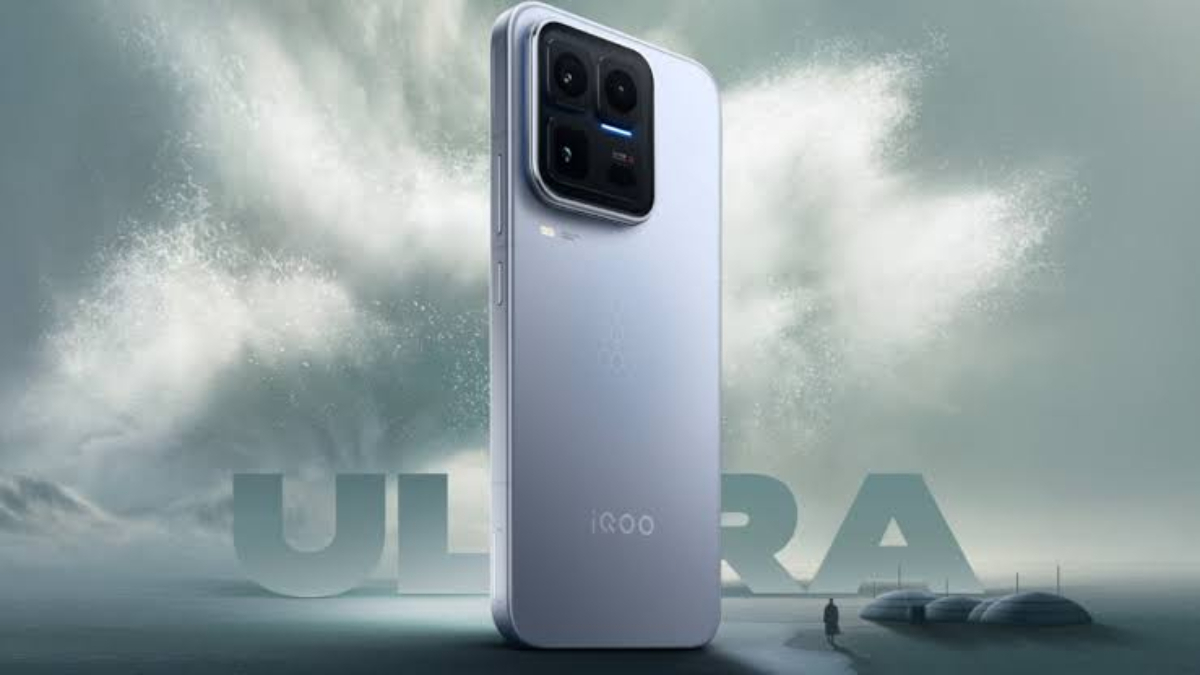
New Delhi, july 1, 2026: The smartphone world moves fast, but sometimes tech companies have to pump the brakes on their most ambitious projects. According to fresh leaks from the mobile industry, iQOO is reportedly shifting its hardware strategy for its upcoming flagship lineup. Word on the street is that the iQOO 16 series—expected to break cover a bit earlier than usual—might completely skip its highly anticipated, ultra-premium “Ultra” variant this generation.
Instead of an all-out spec war across three or four devices, the company is said to be streamlining its focus toward a powerhouse standard model and potentially a performance-focused companion. For smartphone enthusiasts who love “everything-but-the-kitchen-sink” flagship devices, this news comes as a surprising twist.
What the Leaks Reveal
The unexpected news stems from the reputable industry insider Digital Chat Station, who shared the development on the Chinese social media platform Weibo. According to the tipster, iQOO has decided not to move forward with an Ultra model for the iQOO 16 generation.
Instead of treating the “Ultra” moniker as an annual obligation, the brand is reportedly pivoting to a new philosophy: reserving Ultra models specifically for years when they have a massive, groundbreaking technological leap to showcase. If there isn’t a radical hardware revolution ready for the public, they won’t force a hyper-expensive iteration just for the sake of marketing.
With the Ultra reportedly off the table, the upcoming roster is expected to center heavily around two primary devices:
- The standard iQOO 16
- The iQOO 16T
Furthermore, the release window appears to have moved up. While previous generations like the iQOO 15 launched in late October, leaks point toward an accelerated September launch timeline for the iQOO 16 series.
Why is the Ultra Being Shelved?
When a company scraps its top-tier flagship, the decision is rarely simple. Industry analysts point to two major factors forcing iQOO’s hand: economics and market positioning.
The Rising Cost of Components
Over the last year, the global tech supply chain has squeezed manufacturers tight. The cost of essential mobile components—specifically high-speed LPDDR6 RAM, advanced flash storage modules, and cutting-edge silicon wafers—has steadily risen. Building an ultra-premium phone with a built-in active cooling fan, bespoke gaming accessories, and top-of-the-line camera sensors would force iQOO to slap an eye-watering price tag on the device. In an ultra-competitive market, a massive price hike can spell doom before a phone even hits store shelves.
Overlapping Flagships
There is also the issue of sibling rivalry. Inside the vivo ecosystem (iQOO’s parent company), premium lines like the vivo X-series already handle absolute pinnacle mobile photography and luxury features. When the base-model iQOO phones are already incredibly premium, a separate Ultra version starts to look less like a necessity and more like a redundant luxury. By canceling the Ultra, iQOO protects its profit margins and prevents its own phones from eating into each other’s sales.
The Standard iQOO 16 Steps Up as the Main Event
With no Ultra sibling to hog the spotlight, the standard iQOO 16 is inheriting some incredibly heavy-duty specifications. It is no longer just the “entry-level” option; it is being engineered to carry the flag for the entire brand.
The inclusion of an 8,500mAh battery would be a historic leap forward. Thanks to emerging silicon-carbon battery technology, manufacturers can now pack immense energy capacities into incredibly thin smartphone chassis, effectively putting an end to the dreaded mid-day battery anxiety. Combined with the ultra-efficient 2nm Snapdragon 8 Elite Gen 6 Pro architecture, the iQOO 16 could easily break records for screen-on time in a mainstream flagship.
The screen is also getting a major upgrade for esports enthusiasts. Bumping the panel up from a standard 144Hz refresh rate to a blazing-fast 165Hz means animations, system navigations, and supported high-fps mobile games will look incredibly fluid.
A New Era for Smartphone Lineups?
If this leak holds true, iQOO’s strategy might reflect a larger, impending shift across the wider smartphone industry. For years, major tech brands have conditioned consumers to expect a relentless annual cycle of “Pro,” “Pro Max,” and “Ultra” upgrades. However, as hardware innovation naturally slows down and prices go up, updating an Ultra tier every single 12 months is becoming harder to justify.
By refocusing their energy on perfecting the standard model, iQOO avoids thinning out its engineering resources. Consumers get a highly refined, reasonably priced “flagship killer” that inherits top-tier features, while the company avoids the financial risk of a low-volume luxury phone.
While hardcore mobile gamers might miss the rumored built-in cooling fans of the speculative Ultra, the standard iQOO 16 is shaping up to be more than enough phone for virtually anyone. We will know for sure if this streamlined approach pays off when iQOO officially lifts the curtain, which is now rumored to happen this coming September.