

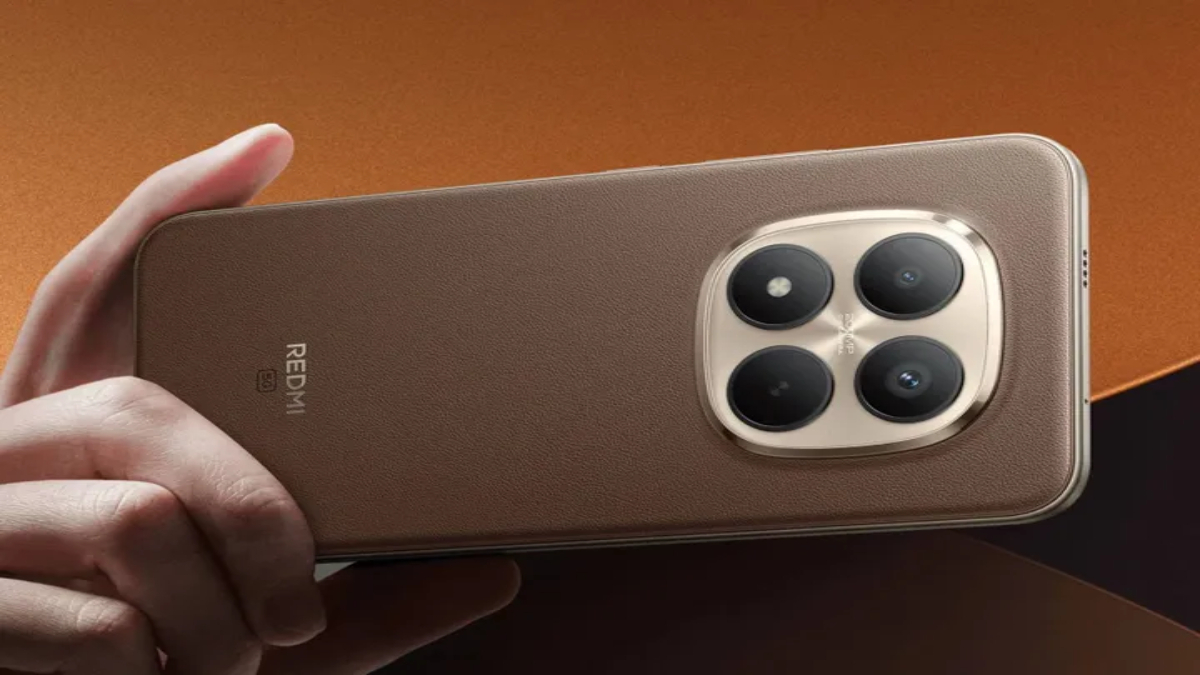
New Delhi, June 25, 2026: The mid-range smartphone battleground is shifting. For years, manufacturers fought over megapixel counts and charging speeds, but early leaks reveal that Xiaomi is planning an unprecedented strategy shift for its upcoming Redmi Note 17 series. According to heavy-hitting industry insiders, the next-generation lineup is completely abandoning the traditional 5,000mAh battery standard. Instead, it is pushing battery capacities into territories previously reserved for rugged, brick-like outdoor equipment—all while maintaining a sleek, everyday form factor.
Fresh intelligence from reputable tech circles indicates that Xiaomi is preparing to jump directly to the Note 17 generation in key markets. If the latest schematics and regulatory filings are any indication, the tech world is about to witness an endurance revolution.
The Vanilla Redmi Note 17: Redefining the Baseline
For the standard Redmi Note 17, Xiaomi is targeting a perfect sweet spot between maximum uptime and efficient daily driving. The headline feature completely alters our expectations for a “base” model: a massive 9,000mAh battery.
Historically, shoving a 9,000mAh cell inside a mainstream phone would make it nearly an inch thick and uncomfortably heavy. However, industry insiders suggest Xiaomi is deploying next-generation silicon-carbon battery technology. By introducing silicon into the negative electrode (anode), engineers can pack far more energy density into a physically smaller footprint than traditional lithium-ion layers allow.
Efficiency Meets Endurance
To support this massive fuel tank without draining it instantly, the vanilla Redmi Note 17 will reportedly debut with Qualcomm’s freshly minted Snapdragon 6 Gen 5 processor. Built on a highly efficient architecture, this chipset handles daily multitasking, social feeds, and lightweight gaming comfortably while keeping heat and power draw remarkably low.
Up front, users are expected to get a completely flat 1.5K resolution AMOLED display. Moving away from curved glass makes the device significantly cheaper to repair and less prone to edge-cracking upon impact. Speaking of durability, leaks hint that Xiaomi is incorporating flagship-grade water and dust resistance, alongside fortified internal bumpers for improved drop protection.
The Redmi Note 17 Pro: Taking It to the Limit
If a 9,000mAh cell sounds excessive, the Redmi Note 17 Pro (and its rumored sibling, the Pro Max) is aiming even higher. Supply chain reports indicate that the Pro models are actively testing capacities hitting or crossing the 10,000mAh mark.
To complement this powerhouse, the Pro line steps up the internal performance. Rather than sticking purely to a budget profile, the Note 17 Pro is rumored to offer top-tier silicon configurations—with some database logs pointing toward premium-tier processing packages like a high-end MediaTek Dimensity or a highly optimized Qualcomm Snapdragon platform. This allows the Pro model to easily power demanding high-frame-rate mobile games without sacrificing its legendary multi-day endurance window.
Display and Imaging Upgrades
- A Smarter, Faster Screen: The Redmi Note 17 Pro is rumored to stretch the display slightly larger while upgrading the refresh rate to a buttery-smooth 144Hz. This makes reading text, browsing layouts, and UI animations feel incredibly instantaneous.
- Massive Camera Array: On the imaging side, early schematics hint at a heavy-hitting triple-lens setup anchored by a 200MP ultra-clear main sensor, flanked by dual high-resolution auxiliary lenses. This setup uses heavy pixel-binning (combining multiple pixels into one) to ensure sharp photos even during night shoots.
Overcoming the Charging Bottleneck
The immediate concern with any phone carrying a 9,000mAh or 10,000mAh battery is the agonizing wait time at the wall outlet. Using a standard 18W or even 33W charger on a battery this size would take hours to fill.
Xiaomi is allegedly combating this by equipping the Pro lineup with up to 100W ultra-fast wired charging. Thanks to dual-cell charging layouts, the phone can split the electrical current into two streams, safely pumping energy into the silicon-carbon cells simultaneously. This could allow a 10,000mAh device to top up from empty to full in under an hour, balancing raw capacity with rapid turnaround times.
Market Positioning and Launch Expectations
The strategic timing of these leaks lines up perfectly with regulatory movements. The Redmi Note 17 series has already begun showing up on the Eurasian Economic Commission (EEC) database and the official GSMA database. These filings confirm that global variants are already being prepared for international distribution.
Projected Timeline & Pricing
- Initial Reveal: Industry analysts expect Xiaomi to formally pull back the curtain on the Note 17 series in China between August and September.
- Global Expansion: Western, Indian, and other global markets are expected to see regional rollouts soon after, potentially lining up for the holiday seasons or early next year.
- Expected Pricing: Despite the unprecedented battery technology, Xiaomi’s core identity remains tied to value. The standard models are projected to compete fiercely in the competitive mid-range space, while the Pro model is heavily tipped to sit around the premium mid-range tier, offering high-end luxury specs at a fraction of true flagship costs.
If these specifications hold true when Xiaomi officializes the hardware, the Redmi Note 17 and Note 17 Pro won’t just be standard annual iterative updates. They will completely change consumer expectations regarding how long a smartphone should live between charges.