

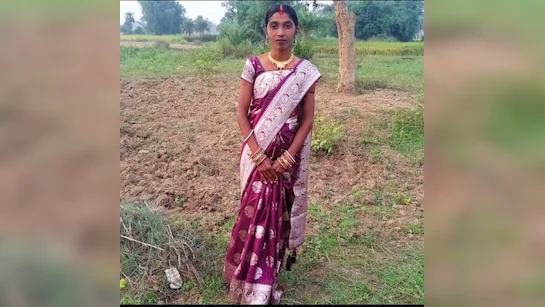
New Delhi, january 09, 2026: In a harrowing manifestation of deep-seated superstition and collapsing social order, a middle-aged woman was brutally lynched by her neighbors in a rural pocket of Bihar. The victim was allegedly targeted after being bashed with baseless accusations of practicing “black magic” that neighbors claimed caused a local child’s neurological illness.
The incident, which took place late Wednesday evening, has once again cast a grim spotlight on the recurring menace of witch-hunting and mob justice in India’s hinterlands.
The Sequence of Events
According to local police reports, the tension began several days ago when a young child in the neighborhood began suffering from recurring seizures and high fever—symptoms typically associated with meningitis or encephalitis. Rather than seeking immediate specialized medical intervention, the child’s family reportedly consulted local occultists.
Rumors quickly spread through the hamlet, pointing toward the victim, identified as 45-year-old Sunita Devi (name changed for legal reasons). Neighbors accused her of “casting an evil eye” on the child.
The situation escalated into a violent confrontation when a group of villagers, armed with sticks and blunt objects, stormed the victim’s residence. Witnesses state that the woman was dragged out of her home and subjected to a relentless assault. Despite her pleas of innocence, the mob continued the beating until she lost consciousness.
Police Response and Legal Action
By the time local authorities reached the scene following a tip-off, the victim had sustained critical internal injuries. She was rushed to the nearest District Hospital, where doctors declared her “brought dead.”
“We have registered an FIR under relevant sections of the Bharatiya Nyaya Sanhita (BNS), including murder and rioting,” stated a senior police official overseeing the investigation. “Four individuals have been taken into custody for questioning, and we are using local video footage to identify other members of the mob.”
The police have also invoked the Bihar Tribal Women’s (Prevention of Witch-Hunting) Act, a specialized state law designed to curb such superstitious violence, though its efficacy remains a point of debate among social activists.
A Recurring Socio-Cultural Crisis
Advocates for rural development argue that this tragedy is the result of a “perfect storm” of three systemic failures:
- Healthcare Deficit: In many parts of rural Bihar, the lack of accessible pediatric neurology services leads families to interpret complex brain illnesses through the lens of the supernatural.
- Educational Gaps: Despite literacy drives, scientific temperament remains low in isolated communities, making them susceptible to the influence of “tantriks” or village shamans.
- Gendered Violence: History shows that “witch-hunting” is frequently used as a tool to settle land disputes or social vendettas, almost exclusively targeting vulnerable or widowed women.
Moving Forward
The district administration has announced a compensation package for the victim’s family and promised a “fast-track” trial to ensure justice. Meanwhile, additional police forces have been deployed in the village to prevent further communal or retaliatory tension.
Community leaders are being urged to conduct awareness workshops to educate villagers on neurological disorders and the legal consequences of mob violence.