

New Delhi, February 12, 2026: Hindustan Unilever Limited (HUL), India’s largest Fast-Moving Consumer Goods (FMCG) company, announced its financial results for the third quarter of fiscal year 2026 (Q3 FY26) on February 12, 2026. The headline numbers show a dramatic surge in profitability, though a closer look at the underlying data reveals a more complex picture of the consumer market.
Financial Highlights: The Big Picture
HUL reported a consolidated net profit of ₹6,607 crore for the October-December 2025 quarter, marking a staggering 121% increase compared to the ₹2,984 crore recorded in the same period last year.
- Revenue from Operations: Rose by 5.7% to reach ₹16,441 crore.
- Total Income: Stood at ₹16,580 crore, a 5% year-on-year (YoY) growth.
- Underlying Volume Growth (UVG): Clocked in at 4%, indicating a steady recovery in consumer demand.
- EBITDA: Increased by 3% to ₹3,788 crore, with margins remaining stable at 23.3%.
The “Exceptional” Driver: Ice Cream Demerger
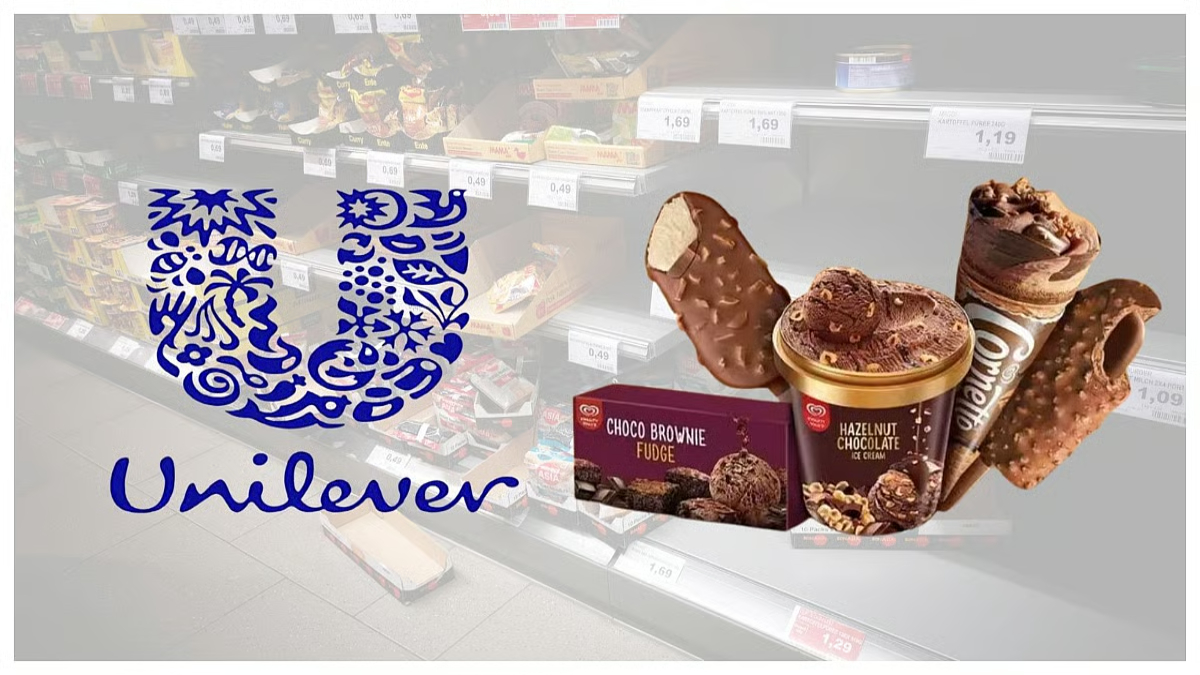
While the 121% profit jump is eye-catching, it was primarily driven by a massive one-time accounting gain. During this quarter, HUL completed the demerger of its ice cream business (Kwality Wall’s) into a separate entity, Kwality Wall’s (India) Limited.
This strategic move resulted in an exceptional gain of approximately ₹4,611 crore. When this one-off gain is excluded, the core Profit After Tax (PAT) from continuing operations actually saw a more modest trajectory, with some analysts noting a 30% decline in core consolidated profit due to higher tax expenses and investments in brand building.
Strategic Moves: OZiva and Portfolio Optimization
HUL is aggressively reshaping its portfolio to focus on high-growth segments. Two major announcements accompanied the Q3 results:
- Full Acquisition of OZiva: HUL has moved to acquire the remaining 49% stake in Zywie Ventures (the parent company of the clean-label wellness brand OZiva) for ₹824 crore, making it a wholly-owned subsidiary.
- Exit from Nutritionalab: The company has divested its 19.8% stake in Nutritionalab (Wellbeing Nutrition) for ₹307 crore, signaling a pivot away from non-core joint ventures.
Segment-Wise Performance
Despite inflationary pressures and the transition to new GST norms, HUL’s core segments showed resilience:
Management Commentary & Market Outlook
Priya Nair, CEO and Managing Director of HUL, noted that demand trends are showing “early signs of recovery” bolstered by supportive government policy measures and rural stability. However, the company remains cautious about the “transitory impact” of GST rate rationalization, which affected nearly 40% of its portfolio during the first half of the quarter.
Stock Market Reaction
The market responded with caution to the “miss” in core profitability. HUL shares saw a decline of over 3% to 4% following the announcement, as investors looked past the headline profit spike to focus on the slightly compressed margins and the impact of the ice cream exit on future revenue.