

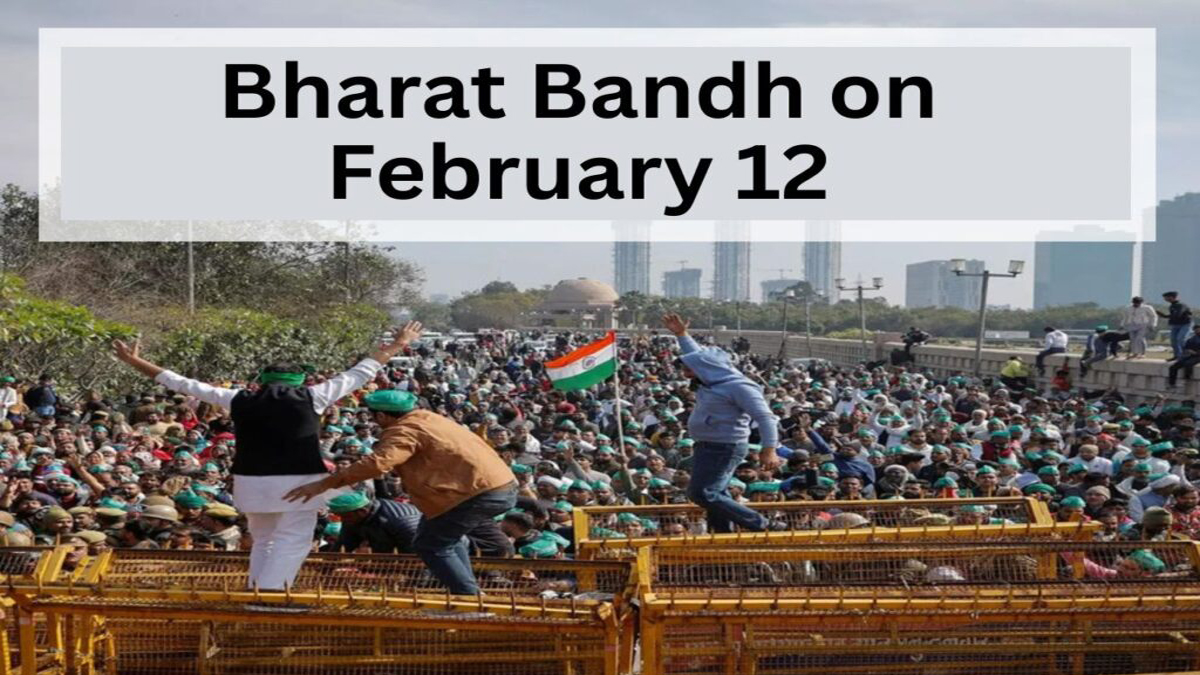
New Delhi, February 12, 2026: A nationwide general strike, or Bharat Bandh, is being observed today, February 12, 2026. Organized by a coalition of over 10 central trade unions and supported by the Samyukt Kisan Morcha (SKM), the protest aims to challenge recent labor codes, agricultural policies, and specific international trade agreements.
With nearly 30 crore workers expected to participate across 600 districts, the impact on daily life varies significantly by region. Here is a detailed look at how essential services are being affected.
Impact on Public Transport and Buses
Commuters in several states are facing significant hurdles as transport unions join the strike.
- State-Run Buses: In states like Kerala, Odisha, and Assam, public transport has come to a near-complete standstill. State transport corporations (SRTCs) in Punjab and parts of Tamil Nadu have also reported suspended or limited services.
- Taxis and Autos: In urban centers where unions are strong, app-based cabs and auto-rickshaws are off the roads.
- Railways and Flights: While trains and flights are operating, reaching stations and airports has become difficult due to a lack of “last-mile” connectivity and localized road blockades (Chakka Jam).
- What’s unaffected: Metro services in major cities like Delhi and Mumbai are currently functioning normally, though ridership is reportedly lower than usual.
Banking and Financial Services
The banking sector is seeing a divided impact today.
- Public Sector Banks (PSBs): Employees of several major PSBs have extended support to the strike. Customers may experience delays in cheque clearances, cash deposits, and physical branch services.
- Private Banks: Operations at private institutions like HDFC, ICICI, and Axis Bank remain largely unaffected, though some branches in high-tension areas have shuttered as a precaution.
- Digital Services: ATMs and online banking (UPI, NEFT, IMPS) are fully operational. Experts suggest using digital channels for urgent transactions today.
Educational Institutions
There is no central government order for a nationwide holiday, so the status of schools and colleges is being decided at the state and local levels.
- Closures: Schools and colleges in Kerala and Odisha are largely closed due to the intensity of the strike and transport disruptions.
- Open with Caution: In states like Delhi, Karnataka, and West Bengal, most institutions remain open, though attendance is thin. Many private schools have opted for online classes to ensure student safety amidst potential traffic snarls.
State-Wise Impact Highlights
What Remains Open?
To minimize public hardship, organizers have exempted several essential services from the strike:
- Hospitals and Ambulances: Emergency medical services are fully functional.
- Pharmacies: Medical stores remain open.
- Essential Supplies: Distribution of milk, vegetables, and newspapers is largely unaffected.
- Security: Fire departments and police services are on high alert to maintain law and order.
Why is the Bandh happening?
The protesters are demanding the repeal of four new labor codes, the withdrawal of the Electricity Amendment Bill 2025, and the restoration of the Old Pension Scheme. Additionally, farmer groups are protesting against an interim trade framework with the US, which they claim could hurt domestic agriculture.