

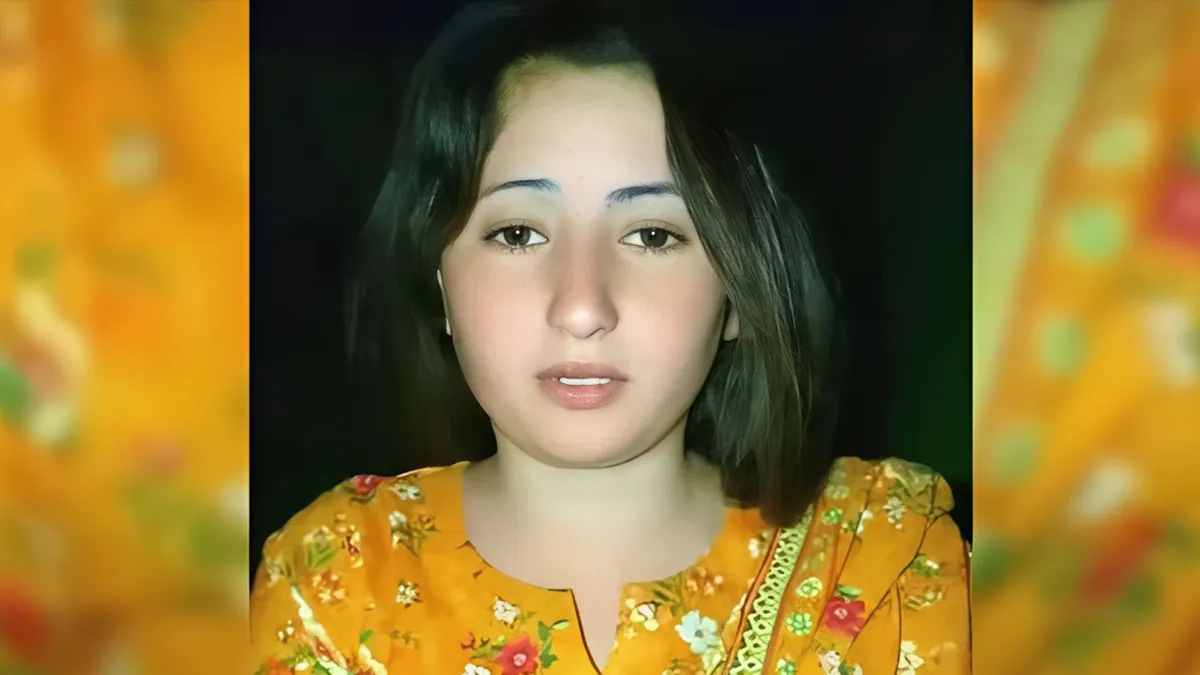
New Delhi, February 21, 2026: A significant wave of misinformation and communal tension has been triggered across digital platforms following the misuse of a viral video featuring Sarah Baloch. It is noted that Baloch, a prominent Pakistani influencer known for her social media presence, has found her personal footage at the center of a deceptive propaganda campaign. The video is being observed as having been maliciously rebranded to suggest a connection to the Indian state of Assam. This deliberate manipulation of digital content has been widely shared as a primary example of how cross-border media can be weaponized to fuel local unrest and spread false alarms.
The Mechanics of Digital Manipulation
The specifics of the video’s original context and its subsequent distortion are being meticulously discussed by fact-checking organizations and digital safety experts. It is observed in the viral reports that the footage, which originally depicted a personal or local event in Pakistan, was edited with misleading captions and local Assamese dialects to create an illusion of regional relevance. It is reported by several digital observers that the video was circulated with claims of “illegal activities” or “unrest” within Assam to incite fear among the public. The visual of a high-profile influencer being used as a pawn in a geopolitical disinformation game has provided a grounding narrative for the evolving tactics used by bad actors on the internet.
Also Read: Viral Video of Rat in Golgappa Masala Sparks AI Debate
Social Media Reacts: A Symphony of Skepticism and Warnings
A massive conversation regarding the vulnerability of women influencers and the speed of fake news has been ignited by this digital revelation. It is noted that the discovery of the fake link was met with an outpouring of warnings from cybersecurity advocates, with many netizens remarking that “verification must precede indignation.” Sarah Baloch is being widely discussed as a victim of digital identity theft, where her likeness was exploited without her consent to serve a divisive agenda. Thousands of analytical comments have been left by users who expressed their concern, stating that such incidents serve as a stark reminder of the fragile nature of truth in a hyper-connected world.
Impact on Online Safety and Regional Security
The impact of this viral event has extended beyond simple celebrity gossip to influence a broader discussion on the necessity of regional online safety alerts. It is frequently mentioned by law enforcement in Assam that such fake videos pose a direct threat to communal harmony and public order. A renewed sense of urgency is being observed among social media companies to implement more robust “location-tagging” verification for viral clips that gain traction in sensitive areas. It is believed that the viral nature of this specific “Sarah Baloch Misinformation Case” will prompt a dialogue on the necessity of stricter international cooperation to curb the flow of cross-border fake news.
A Stark Reminder of Digital Vigilance
As the clarification continues to accumulate views in late February 2026, it serves as a powerful and resilient reminder that not everything that glitters on a timeline is gold. It is believed that the story of “Sarah Baloch and the Assam Fake News” will remain a primary highlight of the month’s most discussed and socially relevant digital literacy features. The legacy of this viral event is expected to be a heightened public awareness of the dangers of emotional reactions to unverified media. Until the digital ecosystem becomes immune to such manipulations, this case remains a stark testament to the fact that the first casualty of viral speed is often the truth.