

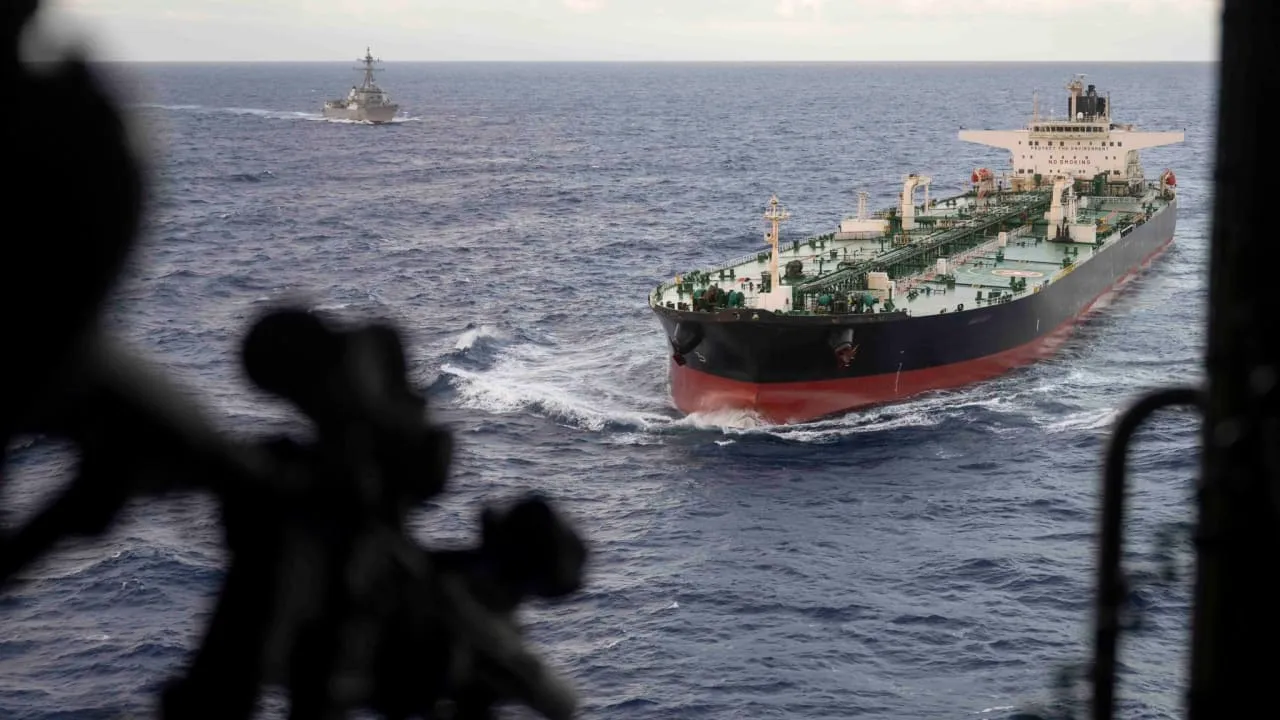
NEW DELHI, March 12, 2026 — In a major diplomatic victory for India’s energy security, New Delhi has successfully negotiated “safe passage” for Indian-flagged oil tankers through the volatile Strait of Hormuz. The breakthrough follows a high-stakes telephone conversation between India’s External Affairs Minister, Dr. S. Jaishankar, and his Iranian counterpart, Abbas Araghchi, late Tuesday.
The agreement comes at a critical time as the Middle East faces an escalating maritime crisis that has seen global energy prices surge and several vessels targeted by regional forces.
A Critical Lifeline Secured
The Strait of Hormuz is widely regarded as the world’s most important oil chokepoint. For India, the stakes could not be higher:
- LPG Dependence: Approximately 85-90% of India’s Liquefied Petroleum Gas (LPG) imports transit through this narrow waterway.
- Crude Imports: While India has diversified its routes, roughly 30% of its crude oil still relies on this passage.
- Seafarer Safety: Over 700 Indian seafarers are currently onboard vessels operating in the Persian Gulf region.
Following the Jaishankar-Araghchi talks, at least two major Indian-flagged tankers, the Pushpak and the Parimal, have already navigated the strait safely. This stands in stark contrast to vessels linked to the U.S., Europe, and Israel, which continue to face severe restrictions and potential strikes.
The Details of the Diplomacy
This was the third conversation between the two ministers since the regional conflict intensified in late February. Sources indicate that Dr. Jaishankar emphasized India’s strategic autonomy and its long-standing humanitarian and economic ties with Iran.
In a statement, the Ministry of External Affairs noted:
“The discussions focused on ensuring the safety of commercial navigation and the welfare of Indian nationals. Both sides agreed on the importance of maintaining the stability of global energy supply chains.”
While Iran has tightened its grip on the strait—demanding that ships obtain explicit approval before transit—India’s “special status” appears to be a result of its balanced foreign policy. However, reports suggest this passage is conditional on ships strictly adhering to Iranian reporting protocols and remaining unaffiliated with the ongoing military strikes against Iranian interests.
India’s Two-Pronged Strategy
Despite securing this corridor, the Indian government is not taking any chances. The Ministry of Petroleum and Natural Gas has accelerated a “de-risking” strategy to protect the domestic economy from price shocks.
| Strategy Component | Action Taken |
| Route Diversification | 70% of crude imports have been rerouted outside the Strait of Hormuz. |
| LPG Management | Government has invoked the Essential Commodities Act to prevent hoarding. |
| Domestic Production | Refineries directed to maximize LPG recovery by 25%. |
| Naval Presence | Operation Sankalp remains active, with the Indian Navy on standby for escorts. |
The Economic Impact
The “safe passage” agreement is expected to provide much-needed relief to India’s hospitality and industrial sectors, which have been reeling from LPG shortages over the past week. In major cities like Mumbai and Bengaluru, commercial gas delays had threatened to disrupt the food service industry, with some estimates suggesting a potential loss of $150 million per day.
By ensuring that Indian tankers can continue to ferry supplies from key partners like Qatar and Saudi Arabia, New Delhi has effectively insulated its consumers from the worst of the “Hormuz Blockade.”
What’s Next?
While the immediate threat to Indian vessels has eased, the situation remains fluid. The Indian Ministry of Shipping has established a 24-hour control room to monitor the 28 Indian-flagged vessels still in the Persian Gulf.