
—a project once vehemently criticized by opposition)
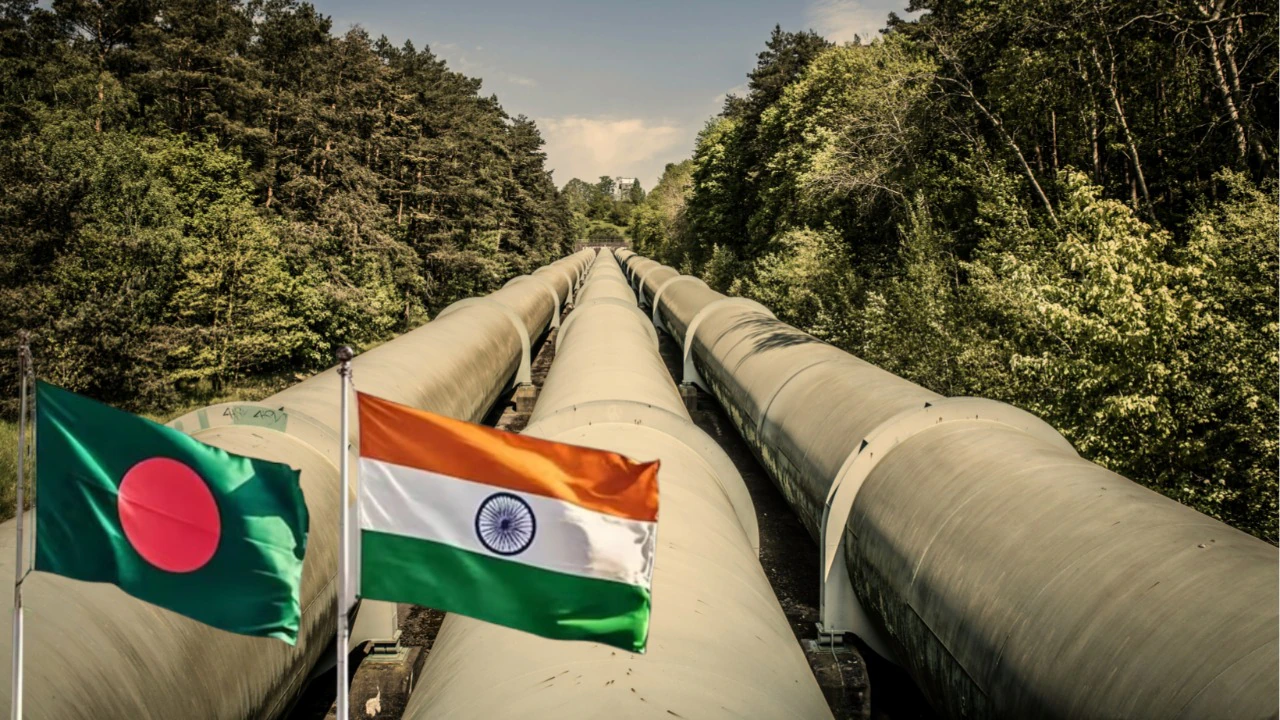
New Delhi, March 12, 2026: – In a striking turn of geopolitical irony, the India-Bangladesh Friendship Pipeline (IBFP)—a project once vehemently criticized by opposition groups—has emerged as the primary savior for Bangladesh’s energy sector. As the nation grapples with a severe fuel shortage exacerbated by global volatility and the ongoing Middle East crisis, the pipeline has begun delivering a steady stream of diesel, providing a much-needed lifeline to the newly formed government.
On March 10, 2026, Bangladesh officially began receiving a consignment of 5,000 metric tonnes of diesel from India via the 131-kilometer cross-border pipeline. This delivery is part of a broader annual agreement to supply 180,000 tonnes of fuel, a strategic move that comes at a time when the Strait of Hormuz remains a flashpoint for global oil shipments.
A “Rescue” from the Past
The pipeline was originally inaugurated in March 2023 by the then-Prime Minister Sheikh Hasina and Indian Prime Minister Narendra Modi. At the time, the project faced heavy domestic backlash. The Bangladesh Nationalist Party (BNP) and Jamaat-e-Islami frequently labeled the infrastructure a symbol of “Indian dominance,” accusing the Hasina administration of compromising national sovereignty for Indian interests.
However, the political landscape has shifted dramatically. Following the 2024 uprising and the subsequent 2026 general elections, the BNP, under the leadership of Tarique Rahman, now finds itself at the helm of a nation in the midst of an energy emergency.
“It is the same pipeline that was once called a tool of slavery that is now keeping the lights on in Dhaka,” noted Mohammad A. Arafat, a former minister from the Awami League, in a recent social media statement.
Despite the historical rhetoric, the current administration has been forced to embrace the project. Finance Minister Amir Khasru Mahmud Chowdhury recently met with Indian High Commissioner Pranay Kumar Verma to discuss not only the existing quota but a proposal for an additional 50,000 tonnes of diesel over the next four months.
Economic and Logistical Impact
The IBFP connects the Siliguri Marketing Terminal in West Bengal to the Parbatipur Depot in Dinajpur. Its utility lies in its efficiency:
- Cost Reduction: By bypassing the traditional, expensive rail-wagon transport, the pipeline significantly lowers the landed cost of fuel.
- Speed: Fuel is currently being pumped at a rate of 113 tonnes per hour, reaching northern Bangladesh in approximately 44 hours.
- Volume: The pipeline has an annual capacity of nearly 1 million metric tonnes, though current agreements focus on stabilizing immediate demand.
The arrival of Indian diesel is particularly crucial as Bangladesh has implemented fuel rationing and nationwide school closures to conserve energy. With crude oil prices hovering near $100 per barrel, the stable, land-based supply from India offers a buffer against the sea-route disruptions currently affecting the global market.
The Political Pivot
The BNP-led government, while maintaining its “Bangladesh First” policy, has signaled a pragmatic shift. Junior Foreign Minister Shama Obaed Islam recently stated that Dhaka expects continued cooperation from New Delhi on bilateral needs, including water and energy.
This pragmatic engagement highlights a growing realization: regardless of political ideology, the infrastructure established during the Hasina era—specifically in energy connectivity—remains vital for the country’s survival. While the BNP and Jamaat continue to advocate for greater strategic autonomy, the reality of empty fuel tanks in Dhaka has made the “Friendship Pipeline” an undeniable necessity.