

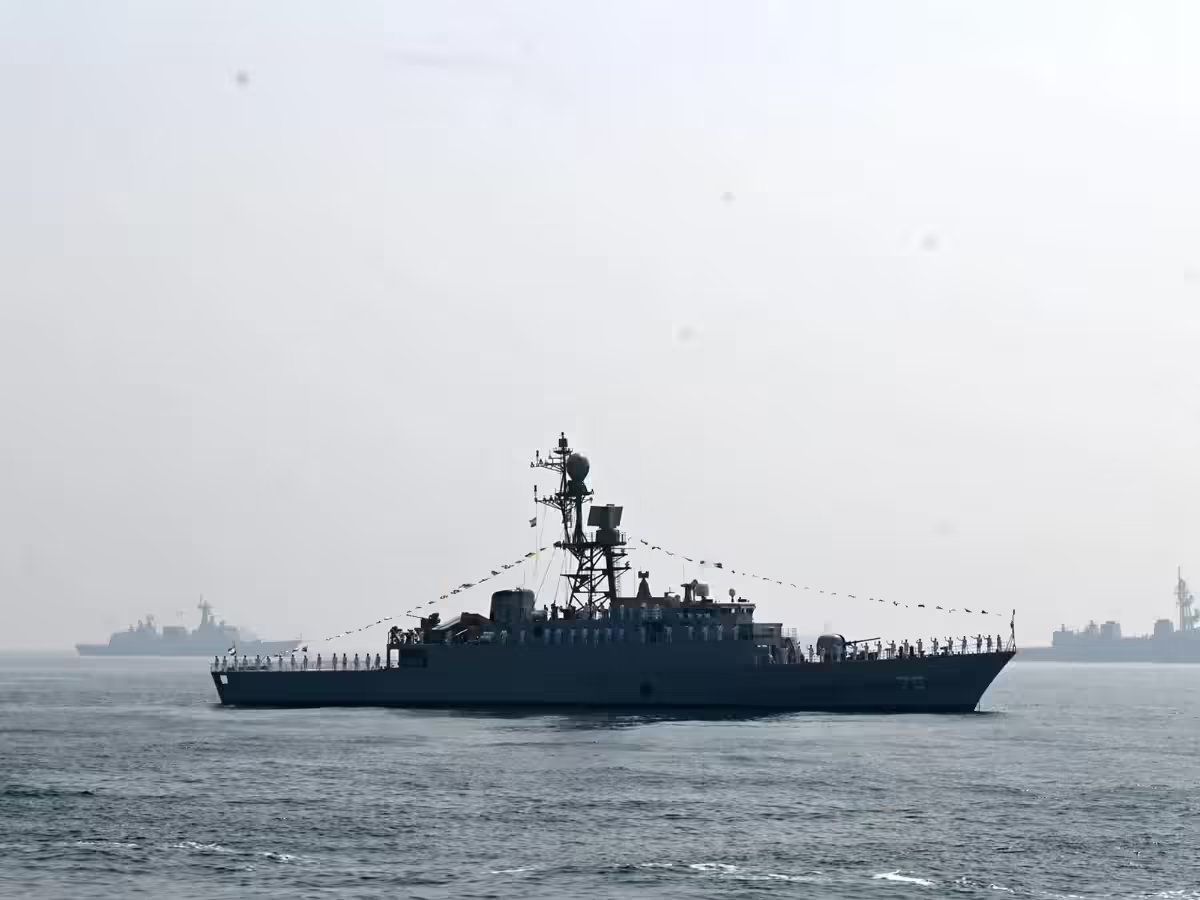
New Delhi, March 19, 2026: A significant wave of digital attention and national strategic interest has been triggered across social media platforms following the emergence of footage showing a heightened Indian naval presence in West Asia. In the video, which gained massive traction on March 19, 2026, multiple Indian warships are observed patrolling the Gulf of Oman and the Arabian Sea. It is noted that the Ministry of Defence has ordered the deployment of additional frontline destroyers and frigates to ensure the safe passage of Indian merchant vessels. This startlingly powerful visual has been widely shared as a primary example of India’s proactive stance in protecting its energy security amid escalating Iran-Israel tensions.
The Mechanics of Operation Sankalp 2026
The specifics of the naval maneuver and the protection of critical fuel tankers are being meticulously discussed by defense analysts and maritime experts. It is observed in the viral reports that over half a dozen warships, including advanced Visakhapatnam-class guided-missile destroyers like INS Surat and INS Imphal, have been positioned east of the Strait of Hormuz. It is reported by several digital observers that these vessels are tasked with providing a “protective umbrella” for Indian-flagged LPG and crude oil carriers. The visual of Indian tankers like Shivalik and Nanda Devi being escorted out of the sensitive waterway has provided a grounding narrative for the independent nature of India’s maritime operations, which remain separate from any multinational coalitions.
Also Read: Viral Video of Dubai Airport Arrivals Amid Regional Tensions
Social Media Reacts: A Symphony of Pride and Geopolitical Analysis
A massive conversation regarding “maritime sovereignty” and India’s growing influence as a net security provider has been ignited by this digital revelation. It is noted that the footage was met with an outpouring of patriotic comments, with many netizens remarking that “India no longer waits for others to secure its interests.” The Indian Navy is being widely discussed for its ability to maintain diplomatic neutrality while demonstrating hard military power to deter potential threats to its commercial fleet. Thousands of analytical comments have been left by users who expressed their admiration, stating that such videos serve as a stark reminder of the professionalism and reach of the “Men in White” during international crises.
Impact on National Energy Security and Trade
The impact of this viral event has extended beyond simple defense news to influence a broader discussion on the resilience of India’s energy supply chain in 2026. It is frequently mentioned by economic experts that nearly 90% of India’s LPG and a significant portion of its crude oil transit through this narrow chokepoint. A renewed sense of confidence is being observed among the shipping community, as 22 India-flagged vessels previously stranded in the Persian Gulf are now reportedly being guided toward safer waters. It is believed that the viral nature of this specific “Warship Deployment Video” will prompt a dialogue on the necessity of a permanent and robust naval presence in the Indian Ocean Region to counter regional instability.
A Stark Reminder of Maritime Vigilance
As the footage continues to accumulate millions of views in late March 2026, it serves as a powerful and resilient reminder that peace at home often depends on strength at sea. It is believed that the account of “Operation Sankalp’s Surge” will remain a primary highlight of the month’s most discussed and socially significant national security features. The legacy of this viral event is expected to be a heightened public appreciation for the silent, 24/7 vigil maintained by the Navy in distant waters. Until the regional hostilities cease and the Strait is fully reopened, this video remains a stark testament to the fact that Indian interests will be defended wherever they sail.