

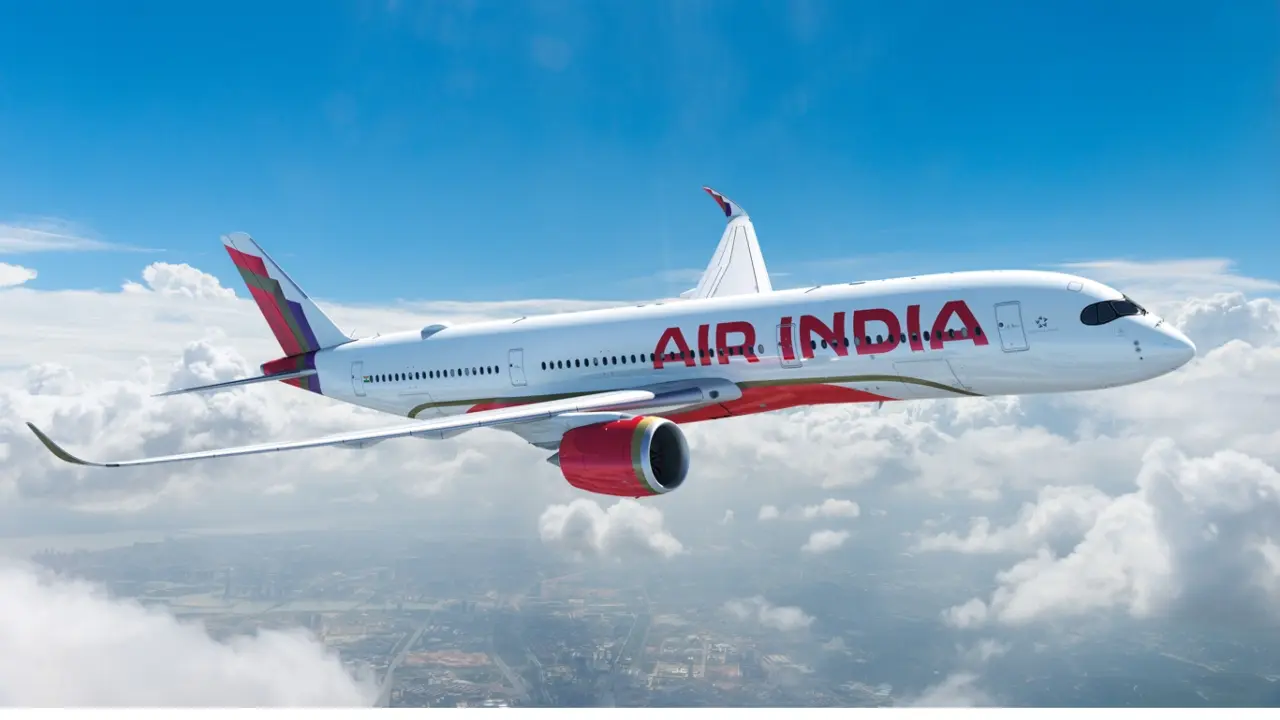
New Delhi, March 26, 2026 – Passengers aboard an Air India flight destined for London Heathrow experienced a grueling “flight to nowhere” this week after technical concerns forced the aircraft to turn back to Delhi’s Indira Gandhi International (IGI) Airport, nearly seven hours into the journey.
The incident, which has drawn attention to safety protocols and passenger convenience, involved a long-haul Boeing 787 Dreamliner. While the aircraft had already covered a significant portion of its route, the cockpit crew elected to return to the base as a precautionary measure following reports of “unusual noises” emanating from the airframe.
A Long Turnaround
According to flight tracking data and airline sources, the aircraft was well into its flight path—reportedly cruising over international airspace—when the crew detected the anomaly. Rather than attempting an unscheduled landing at a closer European or Central Asian airport, the decision was made to return to Delhi.
The flight ended up landing back at IGI Airport approximately seven to eight hours after its initial departure. This “u-turn” meant that passengers spent a full working day in the air, only to end up exactly where they started.
Safety Over Schedule
In an official statement, an Air India spokesperson emphasized that the decision was driven entirely by safety considerations.
“Flight AI161 from Delhi to London Heathrow returned to Delhi due to a suspected technical issue. Following standard operating procedures, the crew prioritized the safety of the passengers and the integrity of the aircraft after hearing localized noises that required a thorough inspection.”
Upon landing, the aircraft was met by engineering teams and taken to a maintenance hangar for a full diagnostic review. While “noises” in an aircraft can range from minor aerodynamic whistles to mechanical vibrations, airline protocols dictate a “safety-first” approach for transcontinental flights where diversion options become limited over oceans or remote regions.
Impact on Passengers
The return to Delhi left hundreds of passengers stranded and frustrated. Many took to social media to share their experiences of the marathon flight, noting the confusion during the mid-air reversal.
To mitigate the disruption, Air India provided:
- Hotel accommodation for those requiring an overnight stay.
- Alternative flight arrangements on subsequent departures.
- Full refunds for passengers who chose not to continue their journey.
The Maintenance Context
This incident comes at a time when Air India, under the ownership of the Tata Group, is undergoing a massive fleet modernization and “Vihaan.AI” transformation plan. While the airline has been aggressively recruiting staff and ordering hundreds of new jets, maintaining the reliability of its existing wide-body fleet remains a focal point for the carrier’s management.
Fortunately, the landing in Delhi was uneventful, and no injuries were reported among the passengers or crew.