

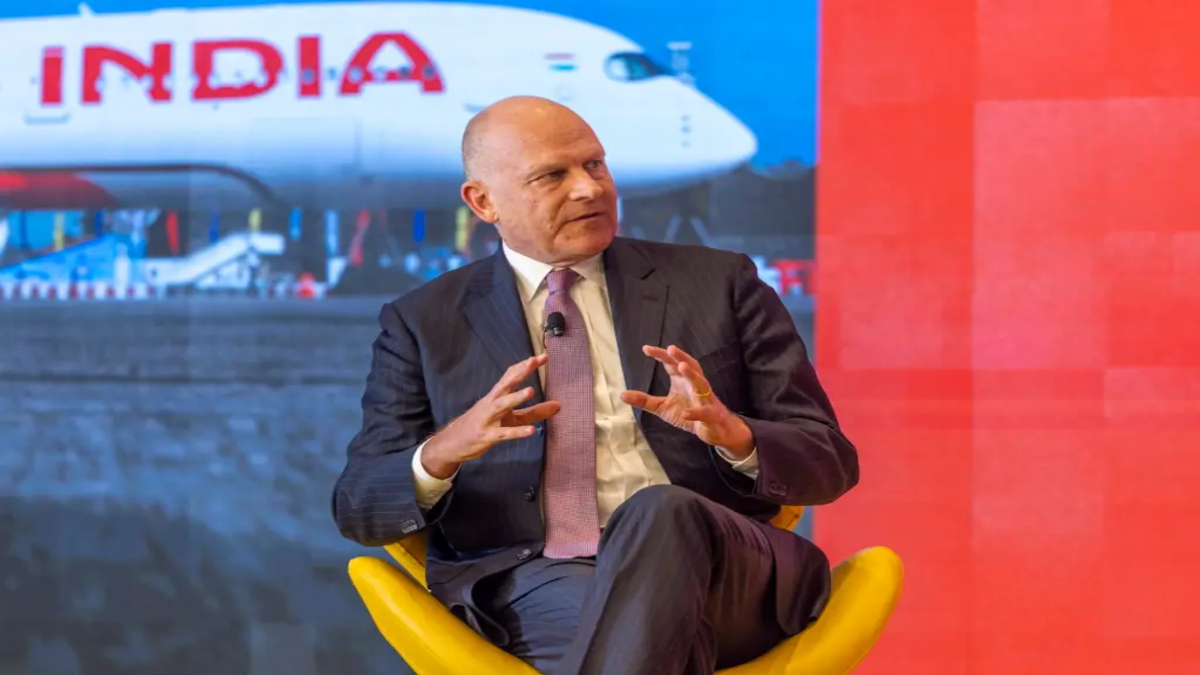
New Delhi, May 4, 2026 – The high-stakes search for the next Chief Executive Officer of Air India has intensified, with the shortlist now narrowed down to four candidates. As the airline navigates one of the most turbulent periods in its history, the pressure on the Tata Group to appoint a successor to the outgoing CEO, Campbell Wilson, has reached a critical juncture.
The upcoming board meeting, scheduled for this Thursday, May 7, 2026, is widely viewed as a pivotal moment, even if the CEO appointment is not formally on the official agenda. Given the gravity of the challenges facing the airline, industry insiders suggest that a discussion on leadership succession is inevitable.
The Frontrunners
While the complete list of four candidates has not been officially disclosed by Tata Sons, two names have emerged as clear frontrunners, representing a mix of deep institutional knowledge and external expertise:
- Nipun Aggarwal: Currently serving as Air India’s Chief Commercial Officer, Aggarwal is a familiar face within the Tata ecosystem. Since joining the airline in January 2022 following the Tata Group’s acquisition from the Indian government, he has been central to the carrier’s ongoing transformation efforts. His prior experience in investment banking, notably with Bank of America Merrill Lynch, and his role in restructuring various Tata Group companies between 2017 and 2022, position him as a strong internal candidate.
- Vinod Kannan: A seasoned aviation veteran and a key figure in the Singapore Airlines (SIA) network, Kannan is currently a senior vice president at SIA. He is perhaps best known in the Indian market for his successful tenure as the CEO of Vistara—the former joint venture between Tata and Singapore Airlines that was seamlessly merged into Air India. His deep familiarity with both the Tata and SIA corporate cultures makes him a highly regarded contender.
The remaining two candidates on the shortlist are reported to be expatriates, though their identities remain closely guarded by the search committee.
Navigating a Perfect Storm
The incoming CEO will inherit a formidable “crown of thorns.” Air India is currently grappling with a complex array of internal and external headwinds that have hampered its post-privatization turnaround.
Financial performance remains a primary concern. The airline is estimated to have posted losses of approximately Rs 24,000 crore during the last financial year. Compounding these financial pressures are significant operational challenges:
- Geopolitical Disruptions: The ongoing conflict in Iran has driven fuel costs to four-year highs, while the long-standing airspace ban over Pakistan continues to force longer, more expensive flight routes.
- Regulatory & Safety Scrutiny: The airline has faced heightened regulatory oversight following a tragic aircraft crash last year. Additionally, technical incidents, including reported fuel leaks, have reached a 14-month high, placing further strain on operational reputation.
- Market Competition: The broader Indian aviation sector remains fiercely competitive, with rivals like IndiGo—which recently announced the appointment of former British Airways CEO William Walsh as its new leader—continuing to capture significant market share.
A Legacy in Transition
The search follows the resignation of New Zealander Campbell Wilson, who had informed Chairman N. Chandrasekaran of his intention to step down earlier this year. Wilson, who took the helm in May 2022, has been credited with steering the airline through the complex integration of four separate entities into the unified Air India Group.
“The four years since Air India’s privatisation has seen the acquisition and successful merger of four airlines, an evolution from public to private sector practices along with renewal of the leadership team, workforce, culture and ways of operating,” Wilson stated in a recent press release.
What Lies Ahead
The urgency of the appointment is underscored by the 25% stake held by Singapore Airlines in Air India. The persistent losses have reportedly caused some “disquiet within Bombay House” (the Tata Group headquarters), and there is a growing consensus that the turnaround—both financially and operationally—needs to accelerate.
Industry analysts are closely watching whether the board will opt for the stability of an internal candidate like Aggarwal, or the proven external turnaround expertise of a veteran like Kannan. With the airline at a crossroads, the decision on May 7—or in the immediate weeks thereafter—will set the trajectory for the Maharaja’s future in an increasingly unforgiving global aviation landscape.