

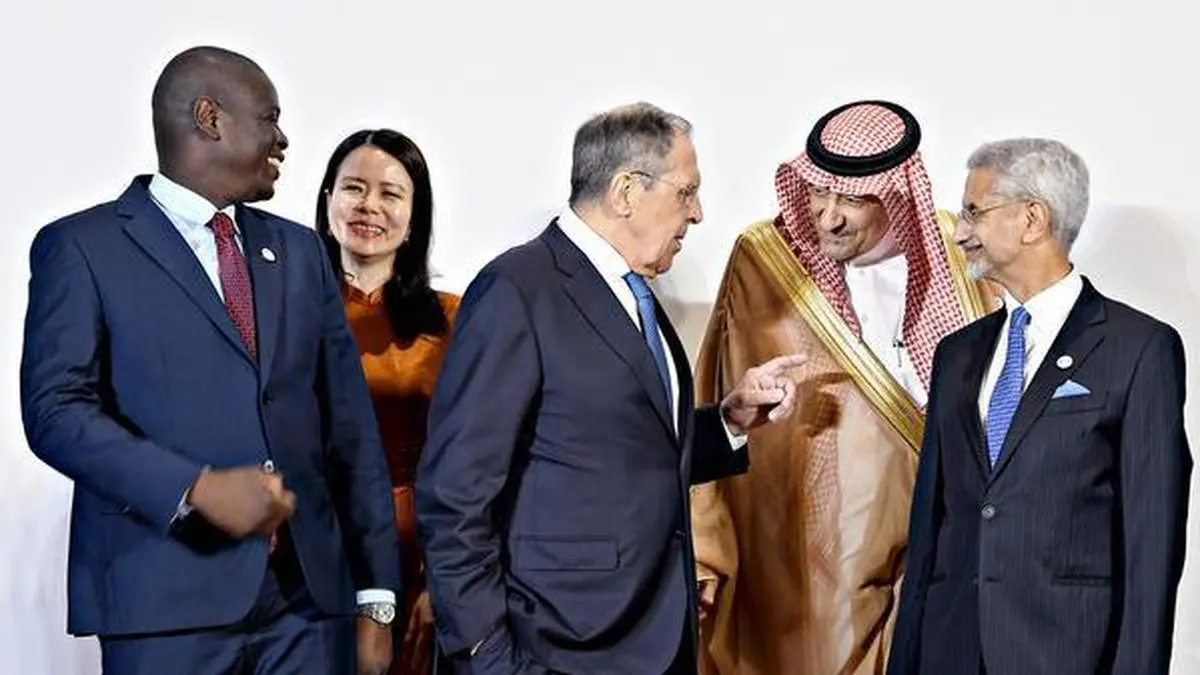
New Delhi, May 15, 2026 — In a high-stakes diplomatic maneuver, India has used its platform as the 2026 BRICS chair to deliver a firm message on maritime security, specifically targeting the volatility in the Strait of Hormuz.
The two-day BRICS Foreign Ministers’ meeting, which concluded on May 14, 2026, saw India walking a delicate tightrope between two of the bloc’s newest members: Iran and the United Arab Emirates (UAE). As the conflict in West Asia threatens to choke global energy arteries, External Affairs Minister S. Jaishankar emphasized that “peace cannot be piecemeal” and that the security of international waterways is non-negotiable for global economic stability.
The “Hormuz” Crisis: Context of a Chokepoint
The Strait of Hormuz is the world’s most important oil transit chokepoint. Following the escalation of hostilities between the U.S.-Israeli alliance and Iran starting in February 2026, Tehran’s effective closure of the Strait has sent shockwaves through global markets.
For India, the stakes are not merely diplomatic but existential. As the world’s third-largest oil importer, India relies heavily on this route. The disruption has led to:
- Energy Supply Volatility: Significant delays in crude and LPG shipments.
- Maritime Casualties: Indian sailors have been caught in the crossfire of drone and missile attacks in the Gulf.
- Economic Strain: Rising freight and insurance costs for Indian shipping.
India’s Diplomatic Balancing Act
Hosting the meeting at Bharat Mandapam, India faced the challenge of managing a “hugely contradictory” BRICS. The bloc now includes Iran—the nation controlling the chokepoint—and the UAE, which has faced direct fire and intercepted thousands of Iranian drones since the conflict began.
Key Highlights from the BRICS Summit
1. “Safe and Unimpeded” Passage
Minister Jaishankar’s opening remarks were a direct appeal to both Tehran and the international community.
“Safe and unimpeded maritime flows through international waterways, including the Strait of Hormuz and the Red Sea, remain vital for global economic well-being,” Jaishankar stated.
The choice of words was deliberate. By grouping the Strait of Hormuz with the Red Sea, India signaled that it views maritime security as a universal standard rather than a regional bargaining chip.
2. Iran vs. UAE: Tensions Boil Over
The meeting was marked by a rare public spat between the two Middle Eastern neighbors. Iranian Foreign Minister Abbas Araghchi accused the UAE of providing “bases and intelligence” to the U.S. and Israel during recent strikes on Iranian soil.
In response, the UAE highlighted the disruption to its own ports, particularly Fujairah, which sits just outside the Strait and has become a primary target for “unauthorized boarding” by Iranian personnel. India’s role as the mediator was described by analysts as “duck diplomacy”—maintaining a calm surface while working furiously behind the scenes to prevent the BRICS platform from fracturing.
3. Opposition to “Unilateral Sanctions”
In a move that resonated with both Russia and Iran, India criticized “unilateral coercive measures” and sanctions inconsistent with international law. This served two purposes:
- It validated Iran’s grievances regarding Western economic pressure.
- It protected India’s own strategic interests in continuing trade with sanctioned nations to stabilize its economy.
The Broader Strategic Message
India’s message to the BRICS nations was clear: The Global South cannot afford a prolonged maritime war. While India supports the “democratization of the global order,” it warned that this transition cannot happen at the cost of the fundamental infrastructure of global trade.
Stability Cannot Be Selective
Jaishankar underscored that regional conflicts in Gaza, Lebanon, Sudan, and Yemen are interconnected. India’s stance is that a “selective” approach to stability—protecting one trade route while allowing another to become a war zone—will ultimately lead to a weakened multilateral system.
| Key Concern | India’s Stance |
| Maritime Security | Essential for the Global South’s development. |
| Conflict Resolution | Only possible through dialogue and diplomacy, not blockades. |
| Territorial Integrity | Must remain the foundation of BRICS relations. |
| Terrorism | Zero tolerance, particularly regarding cross-border threats. |
Conclusion: A Voice for the Global South
As the 2026 BRICS chair, India has positioned itself as the pragmatic voice of the Global South. By bringing Iran and the UAE to the same table, New Delhi demonstrated that while BRICS may be a “contradictory organization,” it remains the only forum where such polarized powers are forced to engage in face-to-face diplomacy.
The “Hormuz Message” is essentially a call for responsibility. India is telling its fellow BRICS members—and the world—that the era of using vital trade chokepoints as tactical weapons must end if the bloc is to provide a viable alternative to the current global order.
As the summit moves toward the main Leaders’ Meeting later this year, the world will be watching to see if India’s “duck diplomacy” can translate these firm words into a lasting maritime ceasefire in the world’s most volatile waters.