
 hiked the prices of petrol and diesel)
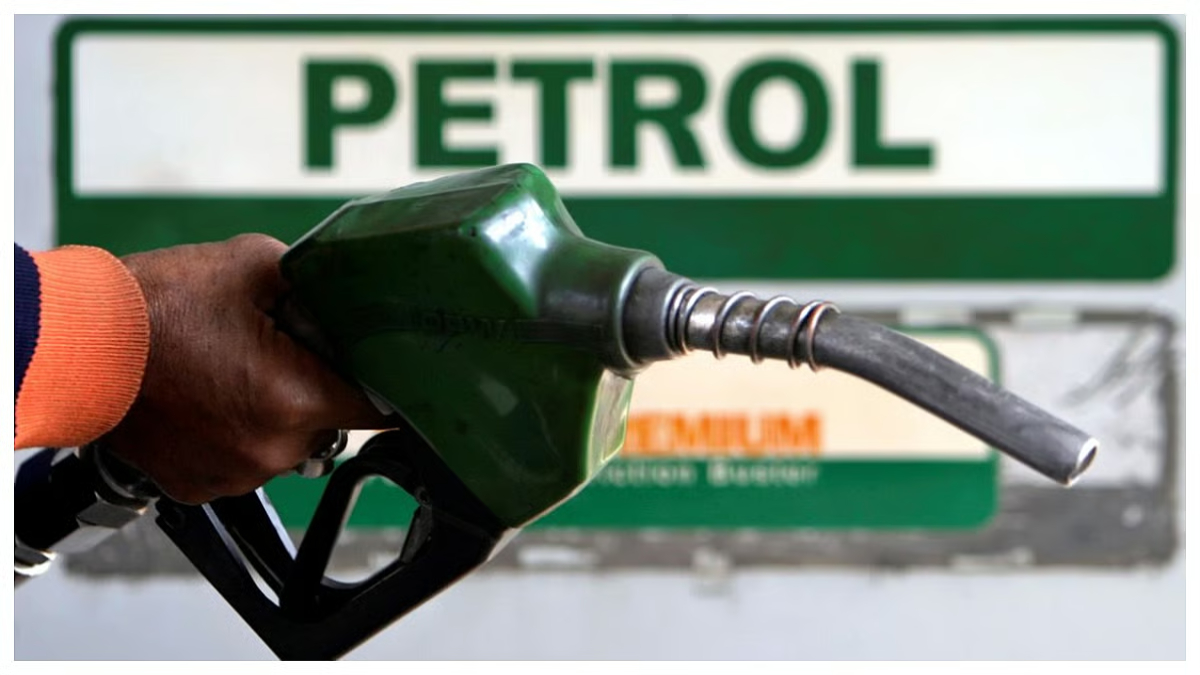
New Delhi, May 15, 2026 — In a move that signals the end of a record four-year price freeze, state-owned Oil Marketing Companies (OMCs) hiked the prices of petrol and diesel by approximately ₹3 per litre across the country on Friday, May 15, 2026.
The decision comes as the global energy market reels from the escalating conflict in West Asia and the strategic blockade of the Strait of Hormuz, which has sent crude oil prices soaring past the $100-per-barrel mark.
“A Very Small Rise”: IOCL Reassures Consumers
Speaking to the press shortly after the revision took effect, Arvind Kumar, Director (Refineries) at Indian Oil Corporation Limited (IOCL), characterized the hike as a necessary but “very small” adjustment given the immense global pressure.
“It is a very small rise, and you know a lot of pressure is there,” Kumar stated. “But I can tell you that Indian Oil group companies and refineries are working round the clock at more than 100% capacity to ensure there is no shortage at retail outlets.”
The Director emphasized that while the global supply chain is under duress, the domestic supply remains robust. The operational surge in refineries is intended to prevent any “dry-outs” or panic buying at fuel stations, which have seen increased queues since the early morning announcement.
The New Price Landscape
The price revision, effective from 6:00 AM on May 15, varies slightly across states due to differences in local Value Added Tax (VAT) and freight charges.
Fuel Rates in Major Metros (per litre)
| City | Petrol Price (New) | Diesel Price (New) | Hike Amount |
| Delhi | ₹97.77 | ₹90.67 | ~₹3.00 |
| Mumbai | ₹106.68 | ₹93.14 | ~₹3.14 |
| Kolkata | ₹108.74 | ₹95.13 | ~₹3.29 |
| Chennai | ₹103.67 | ₹95.25 | ~₹2.83 |
In addition to liquid fuels, Compressed Natural Gas (CNG) prices have also been revised upward by ₹2 per kg in the national capital, bringing the price to ₹79.09 per kg in Delhi and as high as ₹87 per kg in satellite cities like Noida and Ghaziabad.
Why Now? The Geopolitical Squeeze
The primary catalyst for this hike is the ongoing West Asia conflict, involving the U.S., Israel, and Iran. The disruption of the Strait of Hormuz—a waterway responsible for nearly 20% of the world’s oil shipments—has created a “perfect storm” for energy importers like India, which sources nearly 90% of its crude from overseas.
Industry experts note that India was one of the last major economies to pass these costs to the consumer. For the past several weeks, OMCs were reportedly losing nearly ₹1,000 crore per day to keep prices stable.
The Financial Strain on OMCs
Union Petroleum Minister Hardeep Singh Puri had previously warned that if global rates remained elevated, the combined losses of IOCL, BPCL, and HPCL could wipe out their entire projected profits for the 2025-26 fiscal year. Estimates suggest the “under-recovery” (the difference between the cost of production and the retail price) had reached a staggering ₹30,000 crore per month.
Government’s Call for “Energy Patriotism”
The hike follows a series of appeals from Prime Minister Narendra Modi, who recently urged citizens to adopt “voluntary austerity” to protect the nation’s foreign exchange reserves.
The Prime Minister’s suggestions included:
- Increasing the use of public transportation and carpooling.
- Encouraging work-from-home where feasible to reduce daily commutes.
- Limiting the purchase of non-essential imports like gold.
PM Modi described fuel conservation as an “act of patriotism” in the current economic climate, as the Indian Rupee continues to face pressure against the US Dollar due to the rising import bill.
Impact on the Common Man and Logistics
The ₹3 hike is expected to have a cascading effect on the economy. While the IOCL Director describes it as “small,” transporters and daily commuters disagree.
“For a cab driver, an increase of ₹3 in petrol and ₹2 in CNG adds up to an extra ₹3,500 per month in expenses,” says Rajesh, a Delhi-based taxi operator. “We cannot easily pass this on to passengers without losing business.”
CRISIL Intelligence reports suggest that freight rates could rise by approximately 1.5% to 2% in the coming weeks, which typically leads to a marginal increase in the prices of essential commodities like fruits, vegetables, and milk.
Market Reaction
Following the news, shares of major oil companies saw a mixed reaction on the National Stock Exchange (NSE). While the price hike helps improve the margins for fuel retailers, concerns over prolonged geopolitical instability led to a 2% to 3% dip in the share prices of HPCL and BPCL during morning trade.
What to Expect Next?
While the current hike provides a temporary breather for oil companies, it covers only a fraction of the actual cost increase. Market analysts warn that if the West Asia crisis does not de-escalate, further incremental hikes may be on the horizon.
For now, the government’s focus remains on supply security. With refineries running at over 100% capacity and the IOCL leadership promising a “round-the-clock” vigil, the immediate goal is to ensure that every petrol pump in the country remains wet, even if the price at the nozzle is a bit higher than yesterday.