

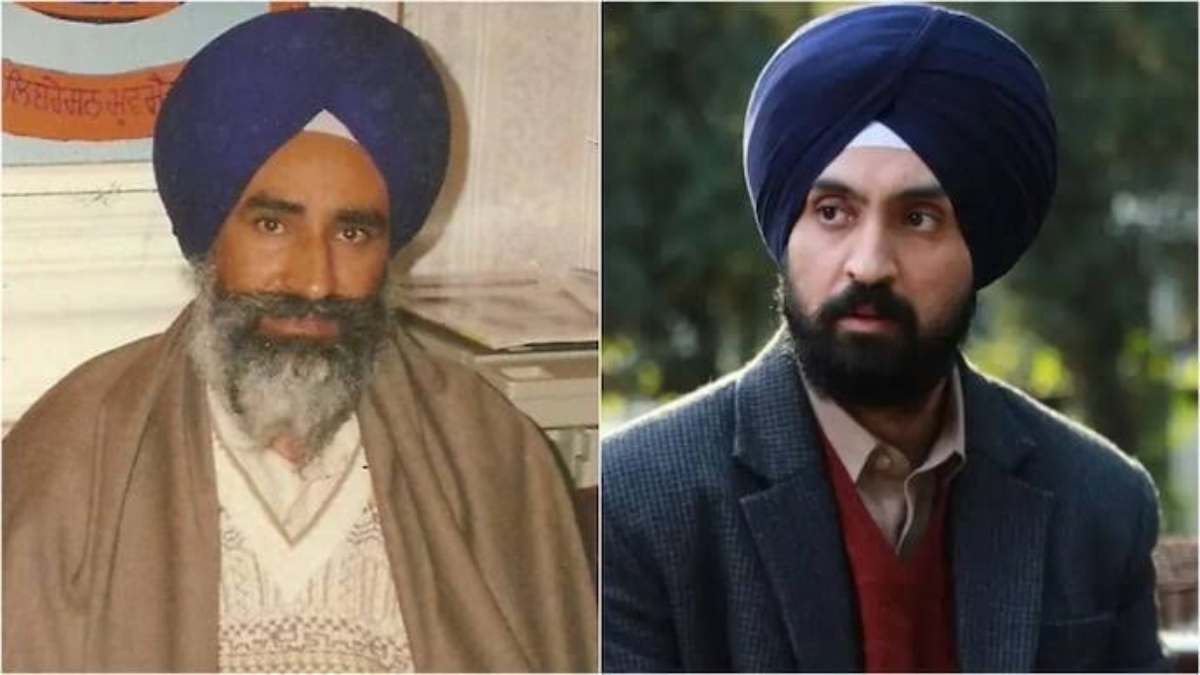
New Delhi, July 7, 2026: The intersection of cinema, history, and censorship has taken center stage following the release and sudden removal of the biographical drama Satluj (previously titled Punjab ’95 and Ghallughara). Starring Diljit Dosanjh, the film chronicles the harrowing and deeply moving true story of Jaswant Singh Khalra, a bank clerk turned human rights activist whose relentless pursuit of justice exposed one of the darkest chapters in modern Indian history.
From Bank Clerk to Fearless Crusader
Born in 1952 in the Amritsar district of Punjab, Jaswant Singh Khalra lived a quiet life as a bank employee during the early 1980s. However, the socio-political fabric of Punjab altered drastically following the events of Operation Blue Star in 1984, the assassination of Prime Minister Indira Gandhi, and the subsequent anti-Sikh riots. The state entered a decade-long era of intense militancy and aggressive counter-insurgency operations.
Amidst this chaos, hundreds of families began reporting that their young sons, fathers, and brothers were mysteriously vanishing after being detained by local police on suspicion of having militant ties. Deeply shaken by these unexplained disappearances, Khalra stepped away from his banking career to find answers.
Unearthing the Truth of the “Disappeared”
Khalra’s investigation began locally but soon exposed a massive, systemic apparatus. By meticulously digging through municipal records, logs from crematoriums, and official registers in Amritsar, Tarn Taran, and Majitha, he uncovered a chilling reality: thousands of individuals labeled as “unidentified” had been secretly cremated by security forces without their families ever being notified.
In early 1995, Khalra traveled internationally to Canada and the United Kingdom, presenting his findings to human rights organizations and foreign parliaments. His work shifted global attention toward Punjab, transforming him into a celebrated human rights champion—and a primary target for those desperate to keep the truth buried.
A Tragic Fate and a Long Legal Battle
In a cruel twist of irony, Jaswant Singh Khalra suffered the exact fate he had spent years documenting. On September 6, 1995, while washing his car outside his home in Amritsar, Khalra was abducted in broad daylight by armed men. He was never seen alive again.
The state initially claimed no involvement, but intense public pressure forced the Central Bureau of Investigation (CBI) to step in. A year later, the CBI confirmed that Khalra had been illegally detained at a police station in Tarn Taran, tortured, and subsequently murdered.
The legal battle spanned more than a decade. In 2005, a trial court convicted several police personnel for his abduction and murder. Defending her husband’s legacy, Paramjit Kaur Khalra continued fighting in the courts. In October 2007, the Punjab and Haryana High Court enhanced the sentences of four key former police officers to life imprisonment—a ruling later upheld by the Supreme Court of India.
Diljit Dosanjh’s ‘Satluj’ and the Modern Battle over Memory
Decades after his martyrdom, Khalra’s life became the blueprint for director Honey Trehan’s biopic. Portraying an activist of this gravity marked a sharp departure for Diljit Dosanjh, widely celebrated for his energetic music and lighthearted roles. Dosanjh captured Khalra not as an aggressive firebrand, but as a calm, deeply empathetic man driven purely by a sense of duty to his community.
However, bringing this narrative to screen proved to be an exhausting battle against modern censorship:
- The Censor Troubles: The film spent nearly three years in limbo with the Central Board of Film Certification (CBFC), which reportedly demanded an unprecedented 127 cuts and multiple title changes to distance the film from real-world locations and dates.
- The Stealth Release: To bypass a heavily restricted theatrical release, the filmmakers secured an uncut digital release. Under the final title Satluj, the movie premiered unexpectedly on the streaming platform ZEE5 on July 3, 2026.
- The Sudden Takedown: The victory was short-lived. Just two days later, on July 5, ZEE5 abruptly pulled Satluj off its platform in India, vaguely citing “current developments” and political sensitivities.
Responding to the removal on social media, Diljit Dosanjh shared a clip of the film with a poignant caption in Punjabi: “I challenge the darkness. Shaheed Jaswant Singh Khalra Ji. What happened to Khalra Saab has now happened to Satluj.”
Why the Story Matters Today
The sudden removal of Satluj has ignited a fierce national conversation regarding creative expression and historical transparency. While some political circles express concern over reviving painful memories of an incredibly volatile era, human rights advocates and Sikh organizations argue that censorship cannot erase history.
Jaswant Singh Khalra’s legacy endures because his fight was not driven by anti-government sentiment, but by a basic demand for accountability, human dignity, and closure for thousands of grieving families. Whether Satluj returns to official streaming platforms or continues to circulate through public discourse, the renewed spotlight guarantees that the story of the man who chose to “challenge the darkness” will not be easily forgotten.