

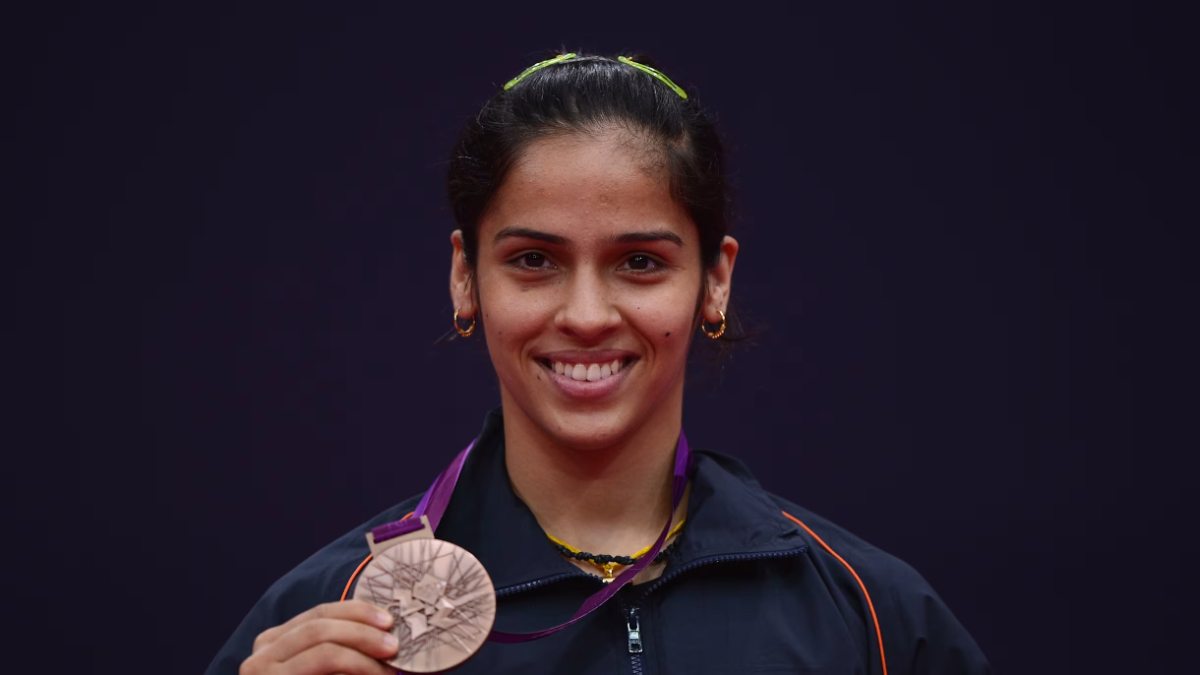
New Delhi, July 14, 2026: Indian badminton trailblazer Saina Nehwal has opened up about a pivotal, yet lesser-known turning point in her legendary sports journey: her transition from a strict vegetarian upbringing to a non-vegetarian diet. In a candid reflection on her career, the former World No. 1 and Olympic bronze medalist explained that the switch was entirely a professional necessity, driven by the grueling demands of international travel and the non-negotiable need for high-quality protein to survive at the absolute pinnacle of world sports.
The Turning Point: International Travel and the Protein Dilemma
Born and brought up in a traditional North Indian household, Saina was a strict vegetarian during the early stages of her life. Her childhood diet consisted of home-cooked vegetables, lentils, dairy products, and traditional nutrient-dense foods like dry fruit ladoos prepared by her mother. However, as she climbed the ranks and began representing India on the global stage, she faced a massive bottleneck.
Competing internationally meant spending months in countries like China, Japan, and European nations, where finding clean, familiar, and substantially protein-rich vegetarian food was an uphill battle. Saina recalled that she simply could not survive or compete purely by leaning on artificial supplements.
To maintain muscle integrity and sustain energy through relentless tournament schedules, her coaching staff advised her to make the jump. Initially challenging, she adapted by incorporating lean chicken into her lunch and dinner, alongside eggs during breakfast, ensuring a highly structured approach to her daily macro intake.
Why Protein is ‘Non-Negotiable’ on the Badminton Court
Badminton is a sport defined by explosive lateral movements, high-intensity lunges, and constant sudden direction changes. This places an extraordinary amount of physical stress on an athlete’s joints, ligaments, and muscle fibers. Saina emphasized that protein is an absolute pillar of an elite athlete’s regime because it directly impacts recovery, muscle toning, and sleep patterns.
Medical experts backing her stance note that animal protein offers exceptional bioavailability, meaning the body can absorb and utilize it much faster to repair micro-tears in muscles after a punishing four-hour training session. While a carefully planned vegetarian diet can meet basic athletic needs, the sheer convenience and concentration of complete amino acids in lean meat made non-vegetarian food the most reliable fuel choice for Saina during her globe-trotting competitive years.
The Art of Portion Control and Smart Training
As Saina advanced in her career, her relationship with food evolved from simple fueling to precise science. She highlighted that as an athlete ages, a carbohydrate-heavy diet becomes a major liability. Unused carbohydrates quickly convert to excess body weight, which adds devastating pressure on an athlete’s knees, ankles, and lower back.
To counter this, Saina shifted to strict portion control. She consumed three precisely measured meals a day, strategically snacking on anti-inflammatory nuts between sessions to keep joint swelling at bay. The goal was simple: stay as light and agile as possible on the court without compromising on underlying strength.
Even her training philosophy shifted from mindless grinding to listening to her body. “You don’t have to kill yourself, but do the right kind of training which is good for your body,” she observed, warning younger players against the trap of overtraining, which often leads to career-ending injuries rather than peak performance.
The Sunday Indulgences and Post-Retirement Transition
Despite her ironclad discipline, Saina remained humanly connected to her North Indian roots. She openly confessed to having a massive sweet tooth and a love for classic comfort foods like aloo parathas, chhole bhature, samosas, and jalebi rabri. However, these treats were strictly quarantined to Sundays. To ensure these indulgences didn’t spill over into her Monday training performance, she would actively go for long runs a couple of hours after a heavy cheat meal to burn off the excess sluggishness.
Following her retirement from professional badminton in January 2026, Saina has pivoted her diet once again. Free from the immense physical output requirements of international tournaments, she has transitioned back to a much simpler, cleaner, and home-cooked routine. Today, her meals revolve around basic Indian staples like dals, rotis, fresh fruits, and plenty of green vegetables, balanced perfectly with moderate protein to maintain long-term metabolic health.
Her journey stands as a powerful testament to the sheer scale of personal and cultural compromises elite athletes must make behind the scenes to bring laurels to the nation on the world stage.