

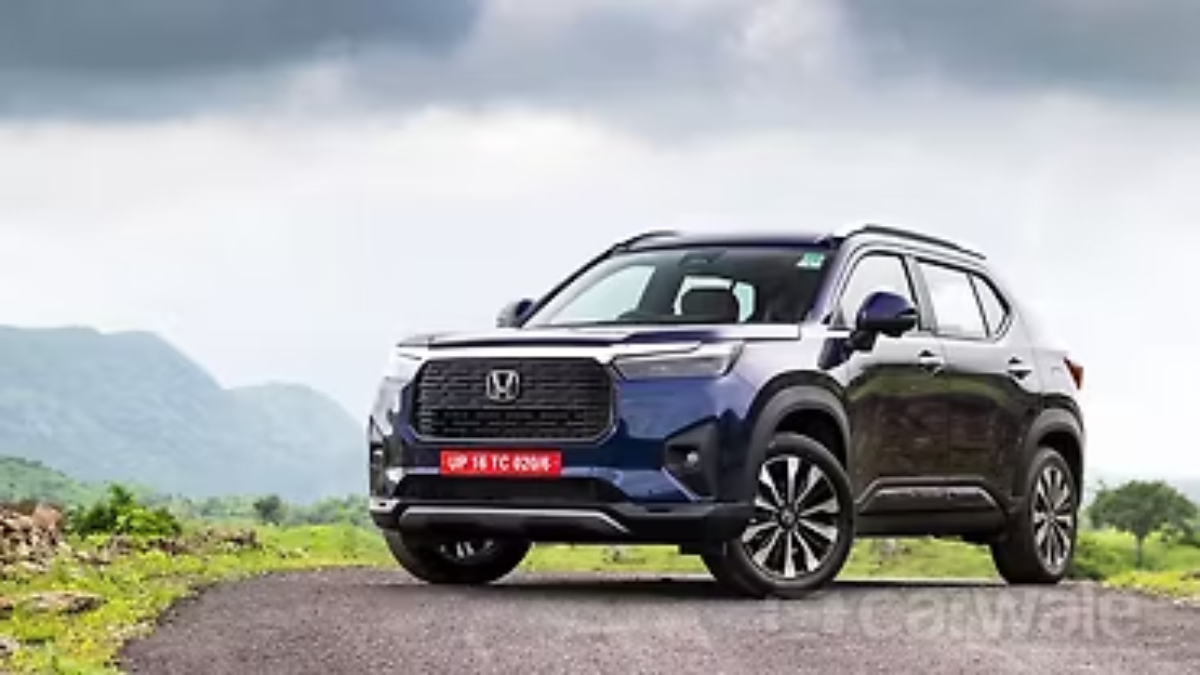
New Delhi, May 20, 2026: The midsize SUV segment in India remains an absolute battleground. Since its debut in late 2023, the Honda Elevate has carved out a respectable niche for itself, leveraging its muscular, old-school SUV stance, exceptional ride comfort, and bulletproof Japanese reliability. However, with heavyweights like the Hyundai Creta, Kia Seltos, and the newly updated German pairs offering heavily loaded feature sheets, the competition moves incredibly fast.
To keep its contender fresh and competitive, Honda Cars India is preparing a mid-cycle refresh for the SUV. Expected to make its official debut around mid-to-late 2026, the upcoming midsize SUV refresh aims to bridge the feature gap while sharpening its road presence.
If you are planning to buy a midsize SUV or are tracking the latest industry movements, here are the three major things you can expect from the upcoming Honda Elevate facelift.
1. Much-Needed Cabin Creature Comforts: Ventilated Seats & 360-Degree Camera
While the current Elevate gets the core ergonomics right—offering massive headroom, class-leading legroom, and an incredibly spacious 458-litre boot—it lacks some of the modern luxuries that buyers in the ₹11 lakh to ₹18 lakh bracket take for granted. Honda is set to address these exact pain points with the mid-lifecycle update.
Premium Feature Additions
The biggest interior upgrades will directly mirror the changes seen in Honda’s stablemate sedan updates.
- Ventilated Front Seats: A near-essential feature for dealing with harsh Indian summers, ventilated seats are expected to make their way into the top-spec ZX trim of the Elevate facelift.
- 360-Degree Camera System: The pre-facelift model features Honda’s proprietary LaneWatch camera, which displays the left-side blind spot on the screen when blinking the indicator. While helpful, it falls short of the full overhead visibility offered by competitors. The facelift will introduce a proper 360-degree camera system, making parking and navigating through tight city traffic far less stressful.
- Repositioned Wireless Charging & Cabin Tech: Expect minor ergonomics tweaks to the center console, a better-placed wireless charging pad, and enhanced multi-color ambient lighting to give the cabin a more upmarket, modern aesthetic during night drives.
2. A Sharper, More Modern Exterior Design
The original styling of the Elevate leaned heavily into traditional, boxy SUV proportions, highlighted by an upright, massive front grille. For the 2026 facelift, Honda will not alter the structural sheet metal but will apply a sleeker, more aggressive cosmetic treatment.
Up front, expect a heavily revised front bumper with fewer cluttered elements, a downsized and re-profiled front grille finished in dark chrome or high-gloss black, and updated LED headlamp clusters featuring integrated, sleek eyebrow-style LED daytime running lights (DRLs).
Moving to the rear, the current connected-look tail lamps will receive refreshed, clear-lens smoked detailing, coupled with a reprofiled rear bumper to accentuate the SUV’s rugged stance. Additionally, fresh designs for the dual-tone diamond-cut alloy wheels will help differentiate the facelifted model from the older version on the road.
3. Retained Mechanical Reliability with a Refined Powertrain
Under the skin, Honda is playing to its strengths. Unlike its rivals, which offer a confusing maze of small-capacity turbo-petrols, diesels, and dual-clutch transmissions, the Honda Elevate facelift will keep things simple, predictable, and highly reliable.
This engine is widely celebrated for its linear power delivery and incredibly smooth performance in typical stop-and-go city traffic. While driving enthusiasts looking for aggressive turbo kicks might find it modest, the real-world fuel efficiency combined with the seamless step-shifting logic of the CVT automatic transmission makes it an ideal, hassle-free family commuter.
While rumors regarding a strong-hybrid variant (e:HEV tech borrowed from the City sedan) continue to float around, industry indicators suggest Honda might save full electrification strategies for its upcoming standalone EV platform slated for late 2027.
Market Positioning, Pricing, and Rivals
The Honda Elevate facelift will continue to challenge established segment benchmarks. It is designed to go head-to-head with a diverse lineup of compact and midsize SUVs:
- Direct Competitors: Hyundai Creta, Kia Seltos, Maruti Suzuki Grand Vitara, and Toyota Urban Cruiser Hyryder.
- European and Alternative Rivals: Skoda Kushaq, Volkswagen Taigun, MG Astor, and the Tata Curvv coupe-SUV.
Expected Price Bracket
The current model is priced competitively starting around ₹11.60 lakh (ex-showroom). With the addition of premium tech like the 360-degree camera, ventilated seats, and revised styling kits, expect a marginal price correction. The upcoming Honda Elevate facelift is anticipated to retail in the estimated price bracket of ₹12 lakh to ₹17.50 lakh (ex-showroom), depending on the variant.
Final Takeaway
The upcoming facelift isn’t a radical re-imagination of the car, but rather a calculated polishing of an already solid package. By retaining its high ground clearance and mechanical simplicity while injecting a healthy dose of modern interior features, Honda ensures that the Elevate remains a compelling, practical choice for practical Indian households.