

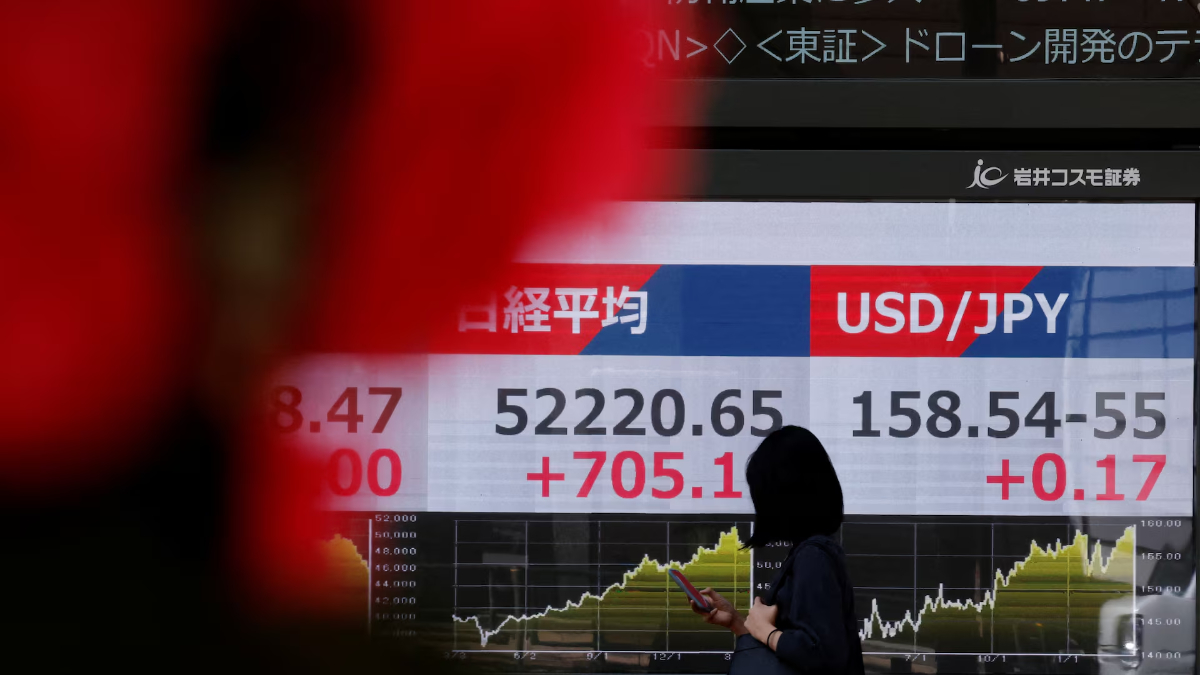
New Delhi, March 27, 2026: Asian markets are navigating a volatile end to the week as investors weigh a mix of diplomatic signals and persistent military tensions. While some early losses were trimmed following news of a 10-day extension to a U.S. strike deadline, broader regional sentiment remains cautious.
Market Performance Summary
Most major Asian indices are tracking toward a muted or negative weekly finish, influenced by a sharp “risk-off” session on Wall Street.
| Index | Performance (March 27) | Weekly Outlook |
| Nikkei 225 (Japan) | Down 0.2% | Set for a slight weekly decline. |
| Kospi (South Korea) | Down 1.8% | Worst performer; down over 8% this week due to chip sector concerns. |
| Hang Seng (Hong Kong) | Up 0.6% | Recovered early losses; set for a 1.4% weekly drop. |
| Shanghai Composite | Up 0.3% | Holding steady despite a 1.5% decline over the week. |
| Sensex/Nifty (India) | Down 1.1% | Tumbled in early trade tracking global peers and high oil prices. |
Key Market Drivers
- Deadline Extension: U.S. President Donald Trump postponed a threatened attack on Iranian energy infrastructure, pushing the deadline to April 6. This provided a brief “relief rally” in some sectors, though skepticism remains high as Tehran has officially denied that any direct negotiations are occurring.
- The “Hormuz Factor”: The Strait of Hormuz remains functionally impaired, keeping Brent crude volatile around the $100–$107 per barrel range. For import-dependent markets like India, this remains a significant inflationary overhang.
- Tech & AI Slump: South Korean markets faced additional pressure after reports of new AI memory-compression algorithms (such as Google’s TurboQuant) sparked fears of reduced long-term demand for physical memory chips, hitting Samsung and SK Hynix particularly hard.
Editorial Perspective
For digital news platforms, the focus is shifting from “imminent escalation” to “prolonged uncertainty.” Headlines are moving toward the “Deadline Diplomacy“ narrative, highlighting that while immediate strikes were paused, the underlying causes of the trade rupture—specifically the maritime security in West Asia—show no signs of a permanent resolution.