

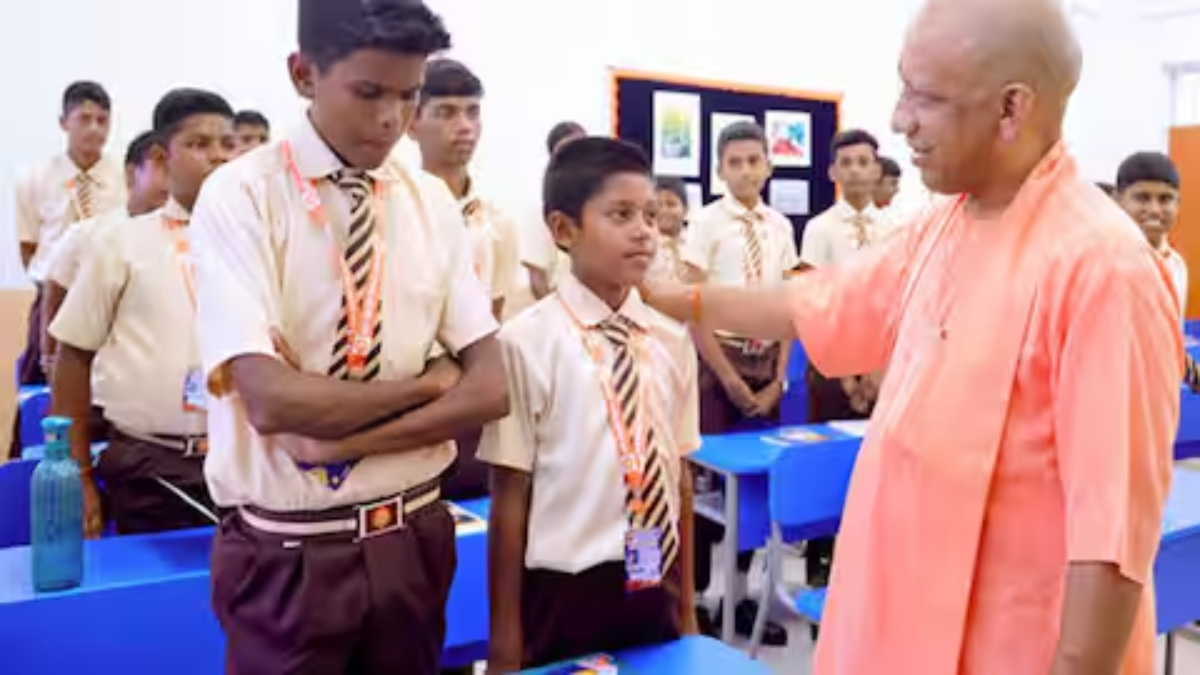
June 29, 2026 — In a major push to eliminate student dropouts and ensure universal education across Uttar Pradesh, Chief Minister Yogi Adityanath announced the launch of the second phase of the mega enrolment drive, ‘School Chalo Abhiyan’. Scheduled to run from July 1 to July 15, 2026, this intensive 15-day campaign aims to secure 100% enrolment from Classes 1 to 12 and bring out-of-school children back into formal education systems.
Framing education not merely as a government policy but as a vital public duty, Chief Minister Adityanath has called upon citizens, teachers, and parents to elevate the campaign from an administrative initiative into a true “Jan Andolan” (people’s movement).
A Renewed Pledge for Every Child’s Dreams
Taking to social media on June 29, the Chief Minister shared an inspiring message outlining the vision behind Phase 2. He noted that the arrival of July represents more than just a new calendar month; it marks a collective season of renewal and hope for millions of young minds across Uttar Pradesh.
The core objective of Phase 2 is clear: identity, engage, and enrol. The state government is mobilizing local administrative bodies, basic education departments, and grassroots workers to track down children who have dropped out of school due to financial constraints, migration, or lack of awareness, making sure no child is left behind.
Bridging Heritage with Modern Classrooms
Drawing a philosophical parallel to India’s rich history, the Chief Minister compared modern educational institutions to historical gurukuls. He highlighted schools as sacred spaces where character, values, self-confidence, and a sense of nation-building are forged.
According to CM Yogi, when a child crosses the threshold of a school for the first time, it isn’t just an individual milestone—the progress uplifts the entire family, village, and community. He reiterated that education is the most powerful tool for absolute social mobility, and strengthening this foundation remains a top priority for his administration.
Redefining the Role of Teachers and Parents
A standout feature of this year’s drive is the deliberate shift in how student success and engagement are approached. The Chief Minister explicitly outlined fresh expectations for both educators and guardians to create a supportive ecosystem:
- For Teachers: CM Yogi appealed directly to the teaching community to transform the traditional classroom experience. He emphasized that schools should not feel like a rigid daily routine. Instead, teachers are urged to integrate sports, interactive storytelling, and activity-based learning to make classrooms vibrant and enticing.
- For Parents: In an empathetic message to families, the Chief Minister advised parents against judging their children solely based on examination marks or report cards. He urged them to value their children’s determination, curiosity, and hard work while emphasizing that ensuring regular, daily attendance is a core parental responsibility.
Strengthening the Pillars of UP’s Education Infrastructure
The second phase of the School Chalo Abhiyan stands on the back of several continuous flagship educational reforms introduced by the Uttar Pradesh government. The campaign will leverage these existing infrastructure and quality-control frameworks to support the massive influx of new students.
Additionally, the state will heavily promote the Bal Vatika (kindergarten) programmes to encourage parents to enrol younger children aged 3 to 6 years, fostering early childhood learning habits well before formal primary education begins. To maintain student health and retention, schools will continue providing fresh, nutritious cooked mid-day meals.
Turning Policy into a People’s Movement
As the state mechanisms gear up for the July 1 launch, local districts have already begun receiving dedicated funding to ensure smooth execution. Grassroots activities, including street plays (Nukkad Nataks), door-to-door surveys by teachers, and community awareness rallies, will be deployed over the next fortnight to maximize the drive’s visibility.
The administration has made it clear that achieving zero dropouts cannot be achieved by government decrees alone. It requires local communities to look out for vulnerable children in their neighborhoods—such as child laborers or those belonging to transient families—and actively assist them in navigating the admission process. By prioritizing regular attendance, focusing on early childhood education, and modernizing infrastructure, Uttar Pradesh aims to build a robust, inclusive educational ecosystem that prepares every single child to realize their full potential.