

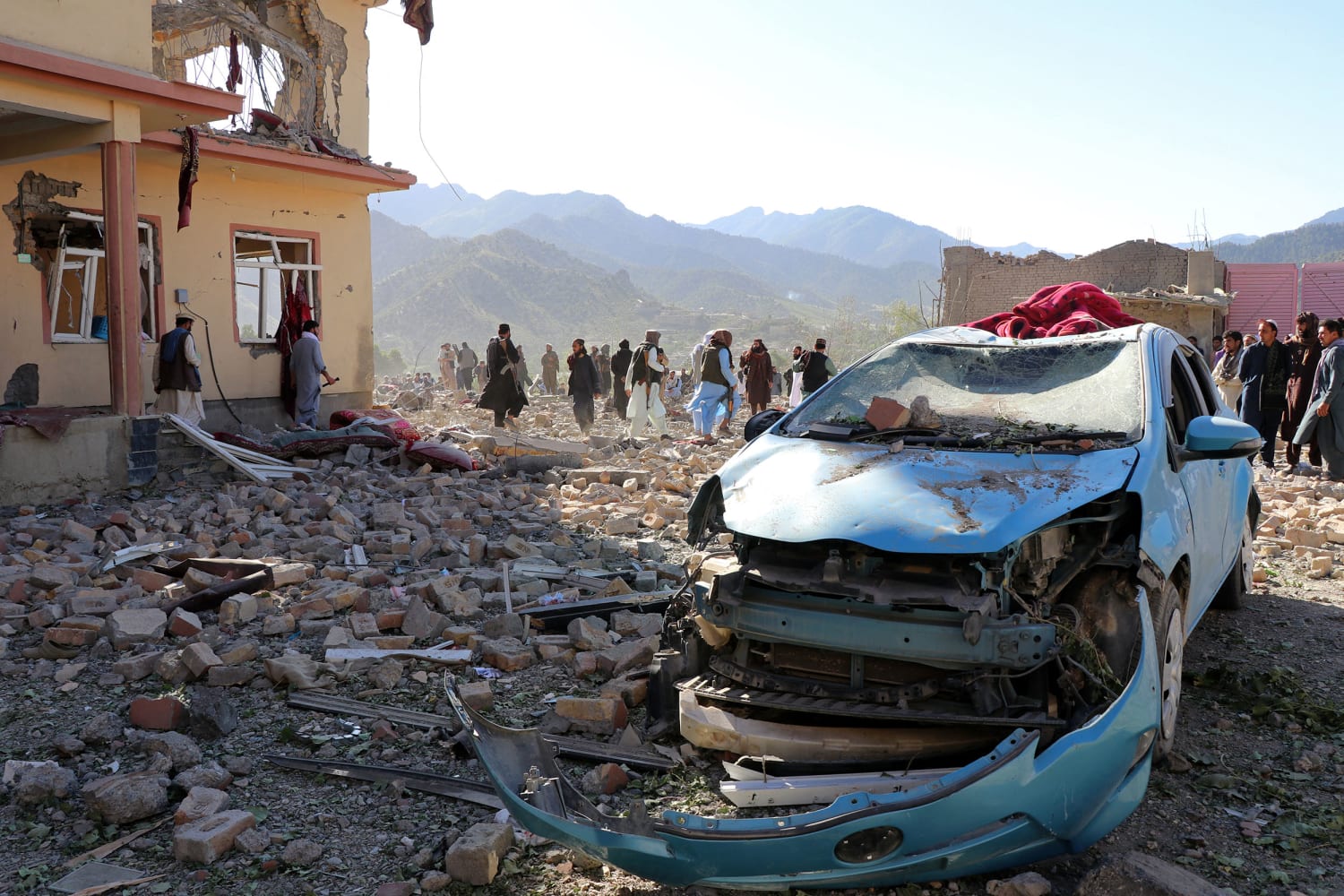
New Delhi, June 29, 2026 — Geopolitical tensions in South Asia reached a dangerous new peak following a series of intense overnight military operations conducted by Pakistani forces inside eastern Afghanistan. The cross-border air and ground assaults, which struck multiple targets across three Afghan provinces, have reportedly resulted in dozens of casualties and threatened to drag the neighboring nations back into an all-out border war.
The military action has triggered a fierce diplomatic dispute, with Islamabad maintaining that it selectively targeted active terrorist safe havens, while the Taliban government in Kabul fiercely condemned the operation as a brutal act of aggression that overwhelmingly harmed civilians.
The Catalyst: The Karachi Rangers Assault
The sudden escalation stems from a major security breach inside Pakistan. Over the weekend, heavily armed militants equipped with automatic firearms and explosive vests launched a coordinated assault on the provincial regional headquarters of the paramilitary Pakistan Rangers in the southern port metropolis of Karachi.
The high-stakes standoff resulted in the deaths of three Pakistani soldiers. Security personnel managed to neutralize three of the attackers on-site and apprehended a fourth assailant, who was wounded during the gunfight. The Pakistani military subsequently identified the captured insurgent as an Afghan national.
Shortly after the incident, Jamaat-ul-Ahrar—a dangerous and highly active breakaway faction of the Tehrik-e-Taliban Pakistan (TTP, commonly known as the Pakistani Taliban)—officially claimed responsibility for the Karachi attack. The involvement of an Afghan national and a TTP-aligned faction immediately turned Islamabad’s focus toward the porous, rugged border separating Pakistan from Afghanistan.
Pakistan’s Combined Border Operations
In direct retaliation for the Karachi deployment and a string of recent insurgent ambushes, Pakistani security forces initiated an “intelligence-based ground operation” along the volatile frontier late Sunday night. This ground push was rapidly supported by targeted airstrikes executed by the Pakistan Air Force, penetrating deep into the eastern Afghan provinces of Paktia, Paktika, and Kunar.
Pakistan’s Information Minister, Attaullah Tarar, confirmed the operations in an official statement, announcing that security forces successfully eliminated at least 29 militant fighters. According to Pakistani authorities, the cross-border strikes successfully dismantled seven distinct terrorist hideouts and training camps belonging to the TTP and its affiliates. The minister added that a “large quantity of weapons and ammunition” intended for future incursions into Pakistan was entirely destroyed during the raids.
Islamabad has long accused the ruling Afghan Taliban of providing safe harbor, logistics, and freedom of movement to TTP leaders, allowing them to orchestrate deadly anti-state violence on Pakistani soil from the safety of Afghan territory.
Kabul Reports High Civilian Toll
The Taliban-led government in Kabul offered a drastically different and far more grim account of the military operations. Afghan officials completely rejected Pakistan’s claims of targeting isolated militant bases, asserting instead that the air strikes slammed directly into residential areas and civilian infrastructure.
According to Hamdullah Fitrat, the deputy spokesperson for the Afghan Taliban government, the overnight strikes killed at least 36 civilians and left more than 160 others injured, many of them women and children.
Local authorities detailed a particularly devastating “double-tap” strike sequence in the Chamkani district of Paktia province. According to the Taliban spokesperson, an initial Pakistani strike struck a civilian residence, killing an elderly man and a young child. As dozens of local villagers and neighbors rushed to the scene to rescue survivors trapped beneath the rubble, the area was hit by a second, subsequent strike. This secondary blast accounted for the vast majority of the casualties in the district, killing 28 villagers and wounding 158 others in a single blow.
Simultaneously, in the Giyan district of Paktika province, another airstrike flattened a residential home, killing six individuals who were mostly women and children. While a separate strike in Kunar province did not result in human casualties, local reports indicated it flattened homes and destroyed vital livestock, which serves as the primary economic lifeline for the rural border community.
Threats of Retaliation and Stalled Diplomacy
The Taliban government reacted with fierce rhetoric, warning that Pakistan’s actions have pushed bilateral relations to a breaking point. Zabihullah Mujahid, the chief spokesperson for the Taliban, categorized the cross-border strikes as a “cowardly act of aggression” and a blatant violation of Afghanistan’s national sovereignty.
The sentiment was echoed strongly by Hayatullah Mohajer Farahi, the deputy minister for publications at the Ministry of Information and Culture, who publicly vowed that Afghanistan would mount a calculated military response. Farahi emphasized that while Kabul would not make impulsive, emotionally driven decisions, serious retaliatory measures would absolutely be taken against the Pakistani regime “in due time.”
This latest explosion of violence shatters a fragile, weeks-long period of relative calm along the border. The two nations have been locked in a recurring state of hostility since February 2026, when an initial wave of Pakistani airstrikes triggered heavy artillery duels and direct infantry skirmishes that military planners in Islamabad openly described as an “open war.”
The persistent instability comes despite intense behind-the-scenes diplomatic pressure from regional superpowers. In April, China hosted high-level bilateral delegations in Beijing, securing a verbal agreement from both Islamabad and Kabul to exercise maximum restraint and explore a negotiated framework for border security. However, the deep-seated mistrust regarding the TTP’s presence in Afghanistan, combined with the relentless pace of militant attacks inside Pakistan, has consistently rendered ceasefires short-lived.
With hundreds of casualties recorded since the start of the year and thousands of civilians displaced on both sides of the Durand Line, international observers fear that this latest exchange could permanently unravel regional diplomatic tracks, paving the way for prolonged, conventional military conflict between the two heavily armed neighbors.